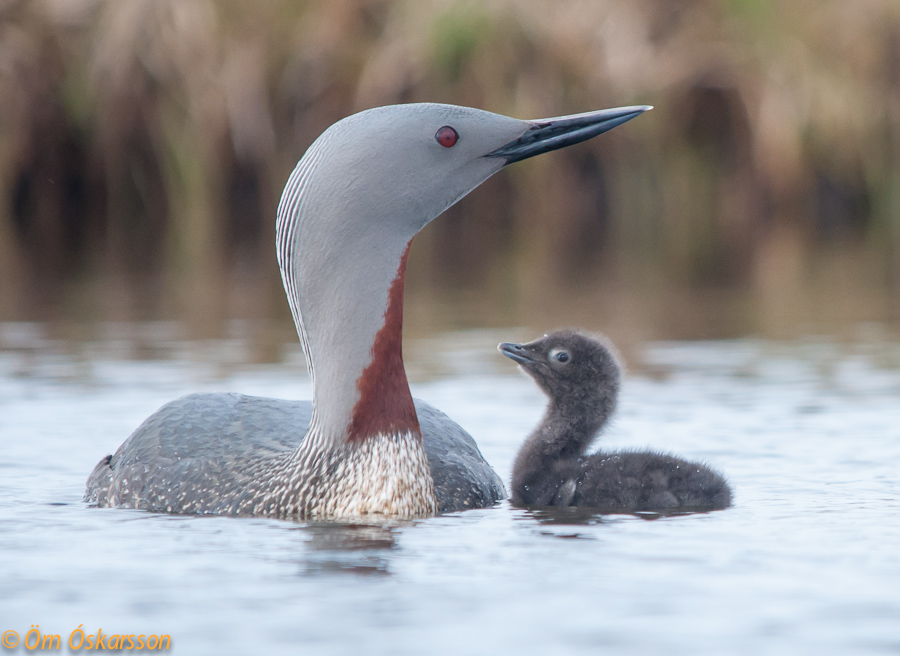
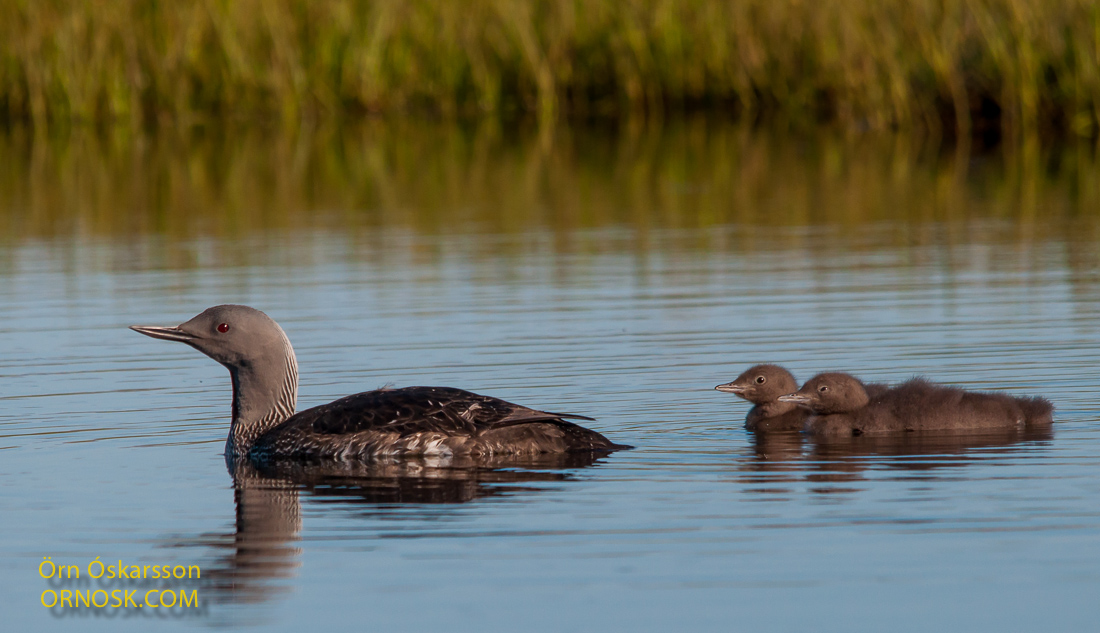
This is the Red-Throated Diver with one of its chicks. The Red-Throated Diver always lays two eggs and in this case the other chick was nearby. There is some difference in size between the sexes which can only be seen when the pair is together. So whether this is the proud father, or mother, remains unknown. The photo is taken in Flói Nature Reserve.
–Beautiful motive of a baby bird with its parent 🙂
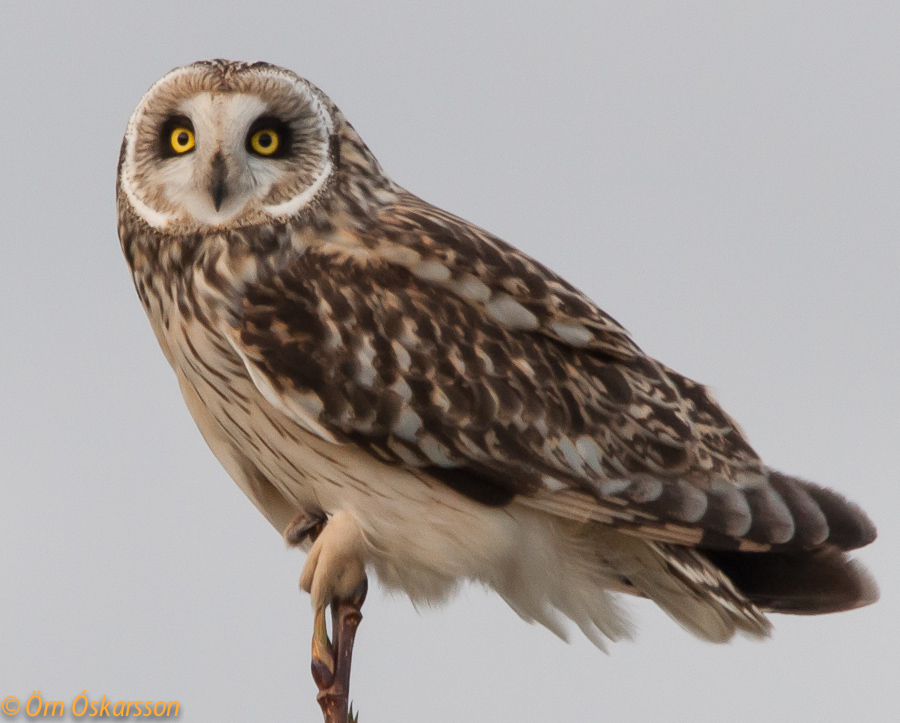
The numbers of owls in Iceland are increasing. There are three species of owls here. This is the Short-Eared Owl (Asio flammeus) and it is the most common, with around 300 -500 pairs in Iceland.
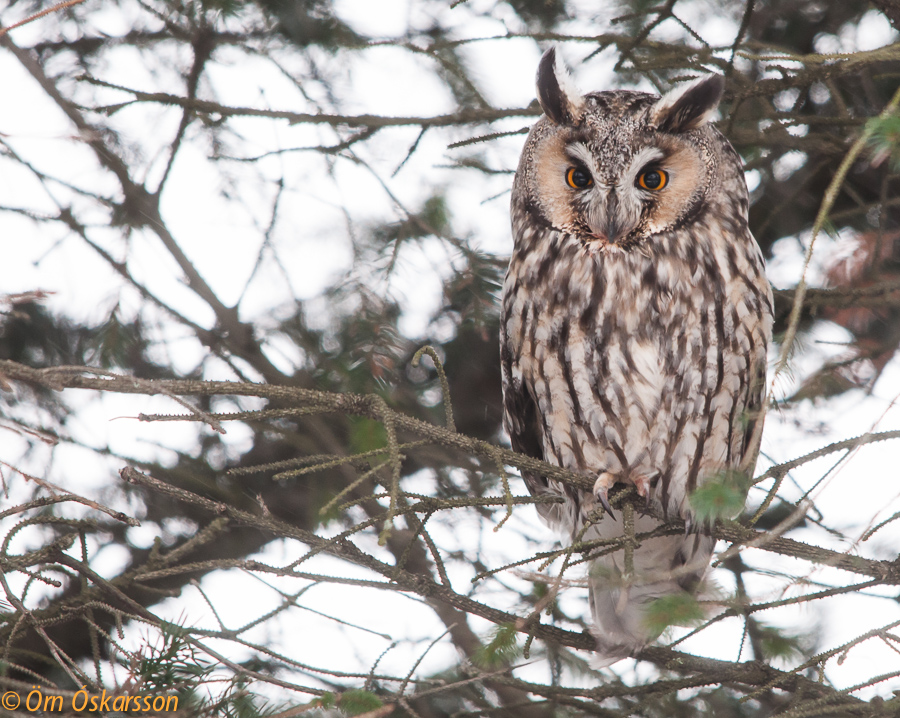
Long-Eared Owl (Asio otus)
The Long-Eared Owl (Asio otus) comes in second place and then there is the Snowy Owl (Bubo scandiacus). Their numbers in Iceland are unknown. The chance of seeing an owl is most in the twilight in summertime when they are looking for food for their young ones. The owls mostly eat mice. – It is always a treat to see an owl 🙂
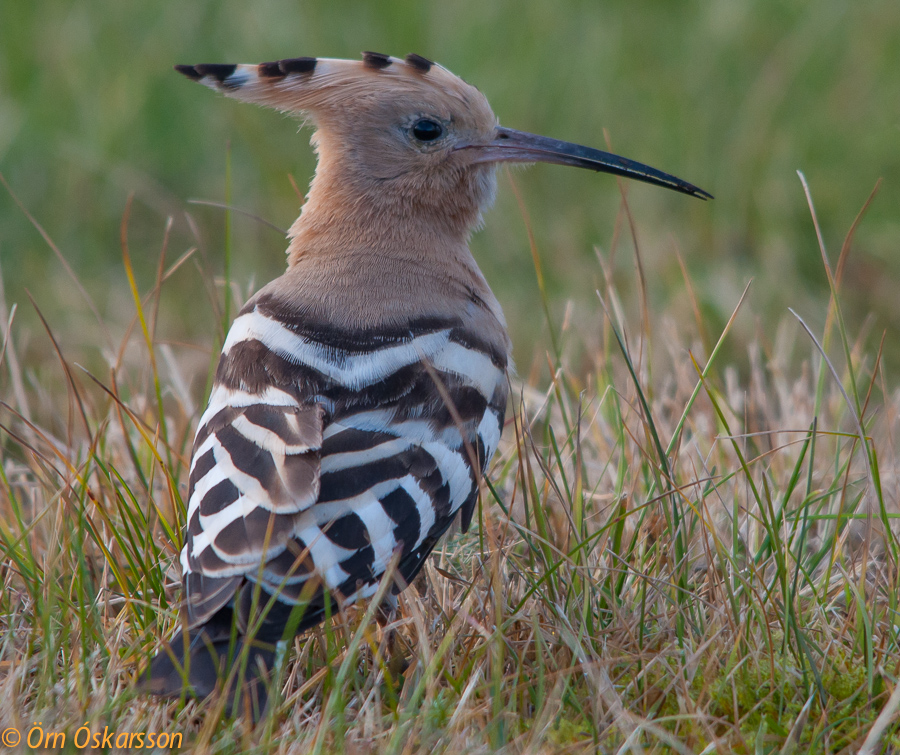
The Hoopoe is a very special looking bird and a vagrant that is very seldom seen in Iceland. This one was spotted near IKEA in Kauptún, Garðabær, Iceland. I saw it on October 23 last year and managed to catch a few good pictures of it.
It is a very exotic bird which I did not expect to come across in Iceland. It has been seen here 11 times.
The hoopoe is widespread in Europe, Asia, and North Africa, Sub-Saharan Africa and Madagascar. Most of the European and north Asian birds migrate to the tropics in the winter so this one went in the wrong direction.
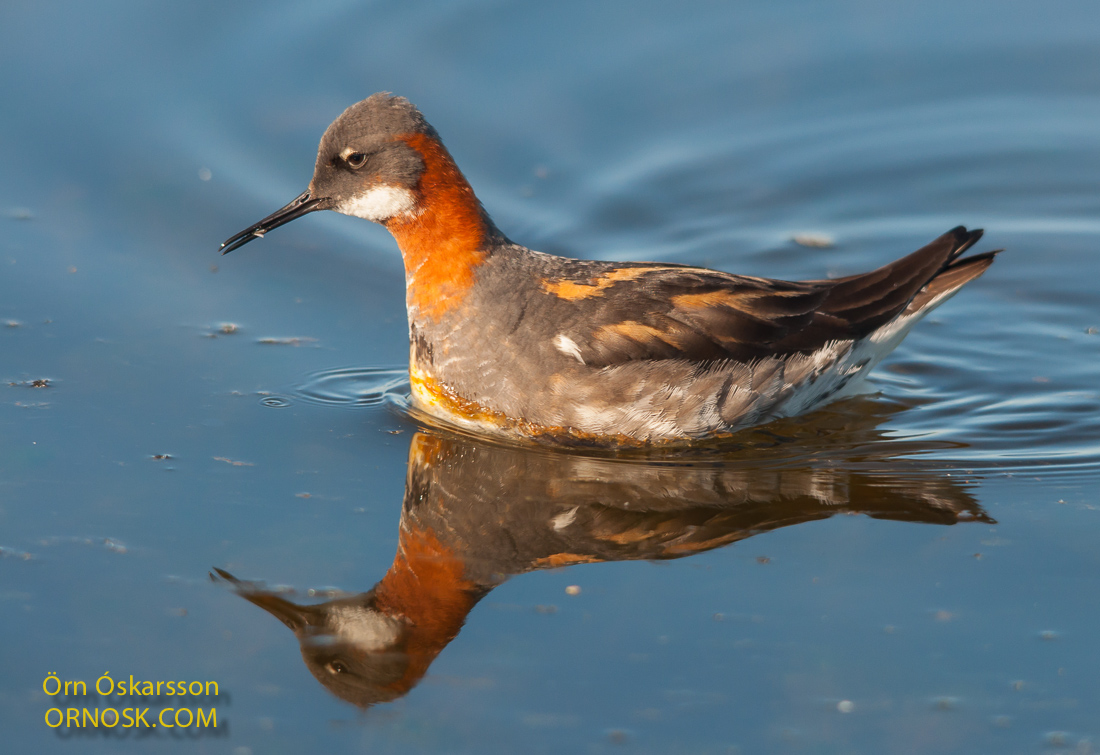
A good place to view and photograph the Red-Throated Diver and the Red-Necked Phalarope is in Flói Nature Reserve in the Southern Lowlands of Iceland. Fuglavernd– BirdLife Iceland runs a reserve there in co-operation with Árborg community. This is a wetland area rich with birdlife. The reserve is a river delta at the eastern bank of the river Ölfusá, in the Flói area not far from Selfoss.
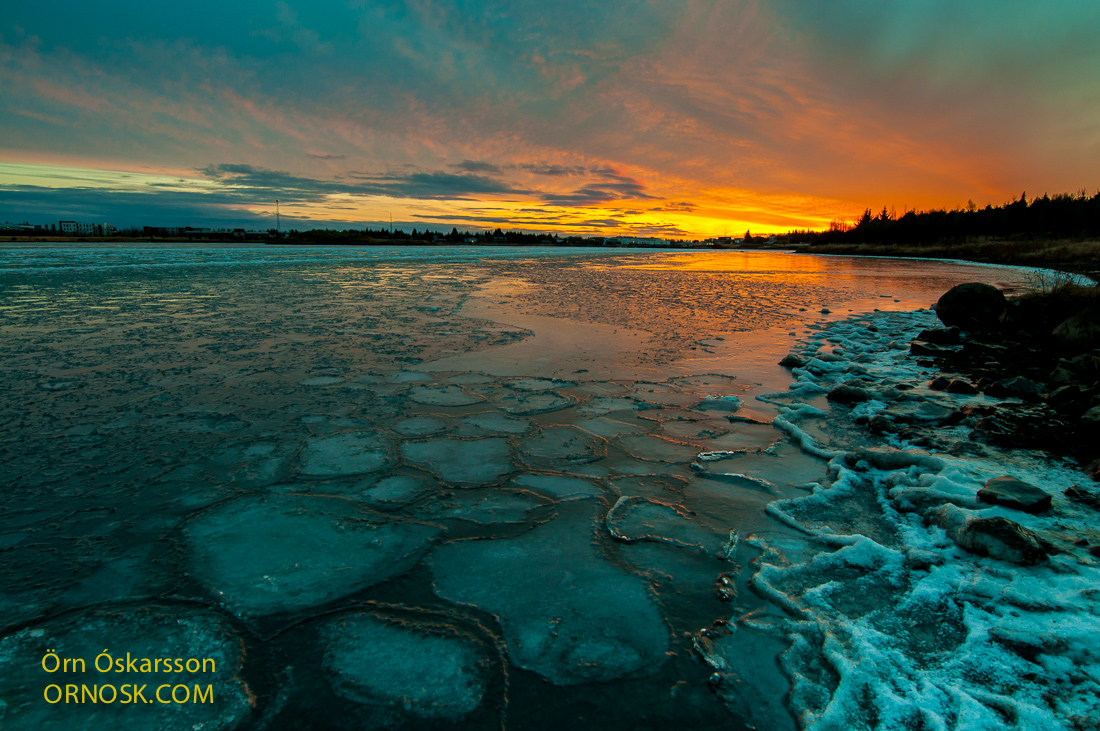
In the last couple of days we have had temperatures below zero. The days are getting shorter and the river Ölfusá has begun to freeze. This photo is taken around 5 o’clock this afternoon and as you can see the sun is setting.
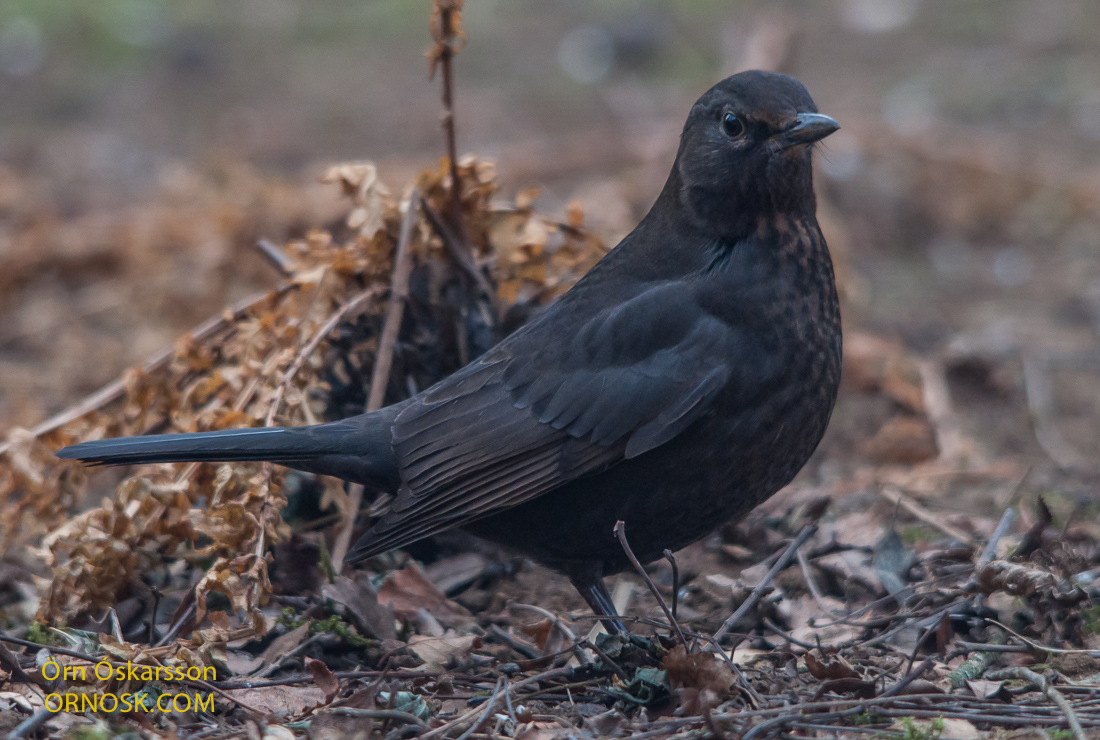
This Blackbird is one of a group of eight Blackbirds that are in the garden now. This is a young male which can be seen from the dark brown colour and the colour of its beak, similar to the female’s colours.
Blackbird – young male
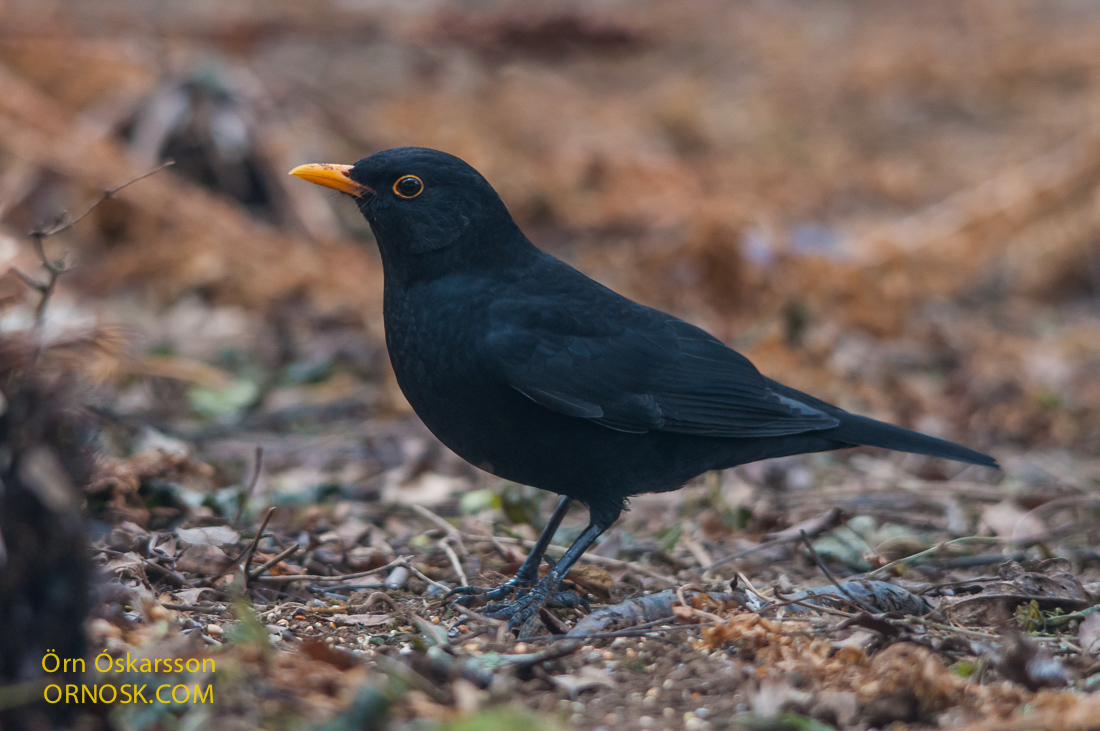
When it grows up it becomes black and the beak becomes bright orange-yellow. It also gets an eye-ring of the same colour. This makes the adult male Blackbird one of the most striking garden birds. The song of the Blackbird is also very vocal so it does not go unnoticed.
This weekend my students at the local secondary school are counting their garden birds. Of course I took part in this interesting project and counted the birds in my garden in the hours between 11 and 12 am. I also took some photoes, but that goes without saying 😉
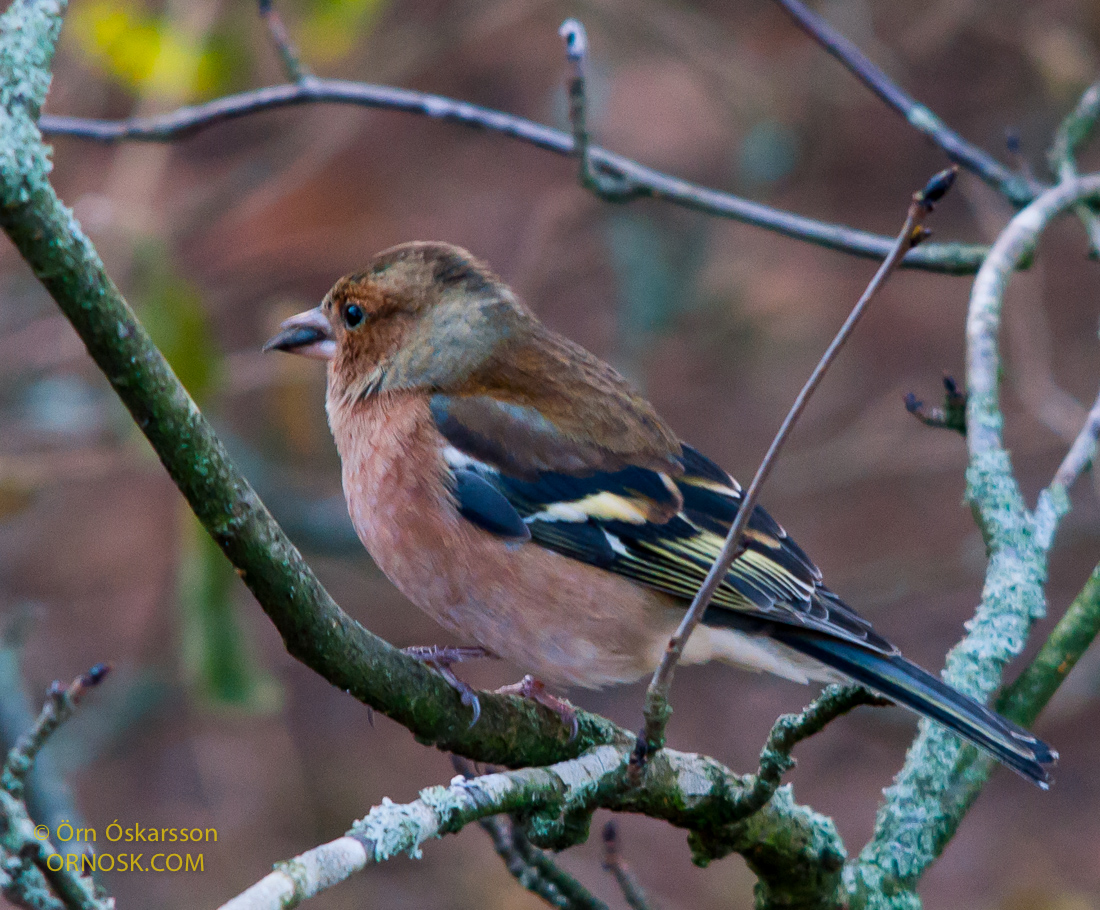
Chaffinch / Bókfinka
Weather: NE 12 m/sec, clear sky and temperature 0°C.
In this one hour I counted:
Redpolls 40
Starlings 27
Blackbirds 6
Chaffinches 4
Redwings 2
Blackcap 1
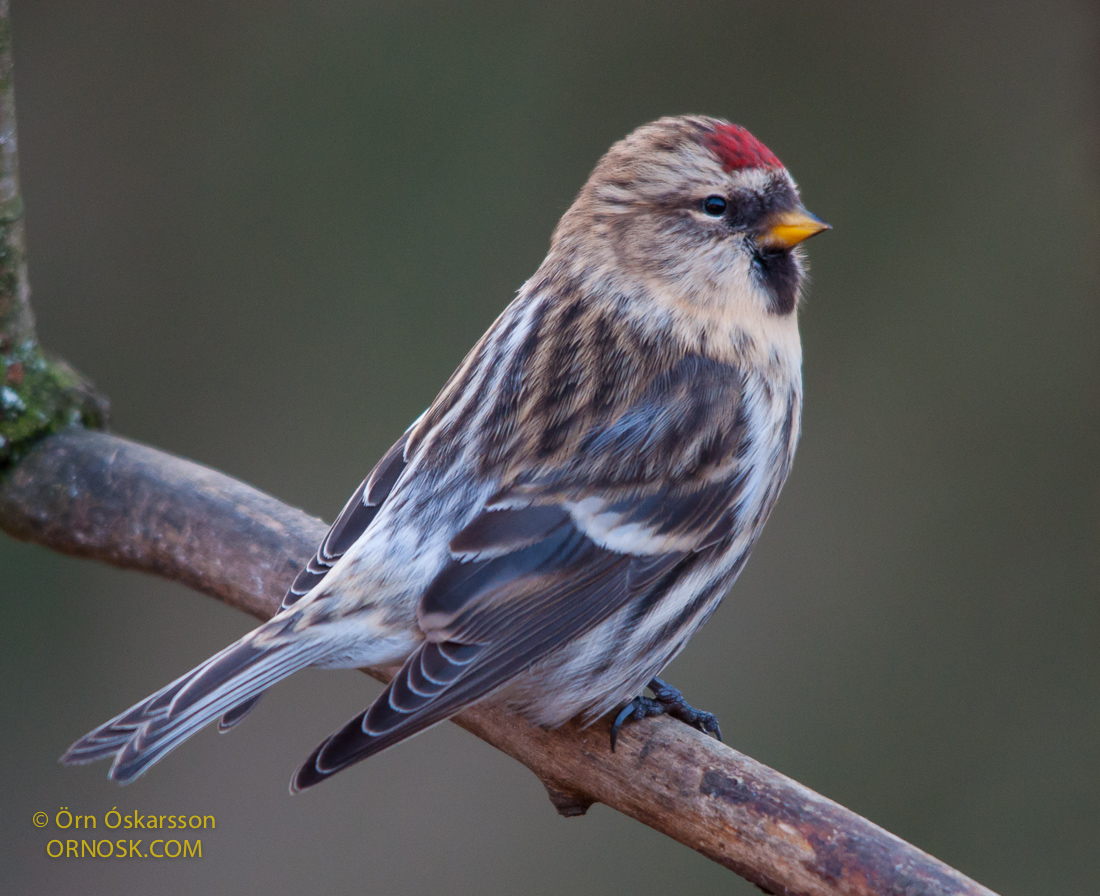
Redpoll / Auðnutittlingur
Nú um helgina eru nemendur mínir í FSu að telja garðfuglana sína. Ég tók að sjálfsögðu líka þátt í þessu skemmtilega verkefni og taldi garðfuglana mína á milli kl. 11:00 og 12:00 í morgun. Jafnframt tók ég myndir af nokkrum tegundum.
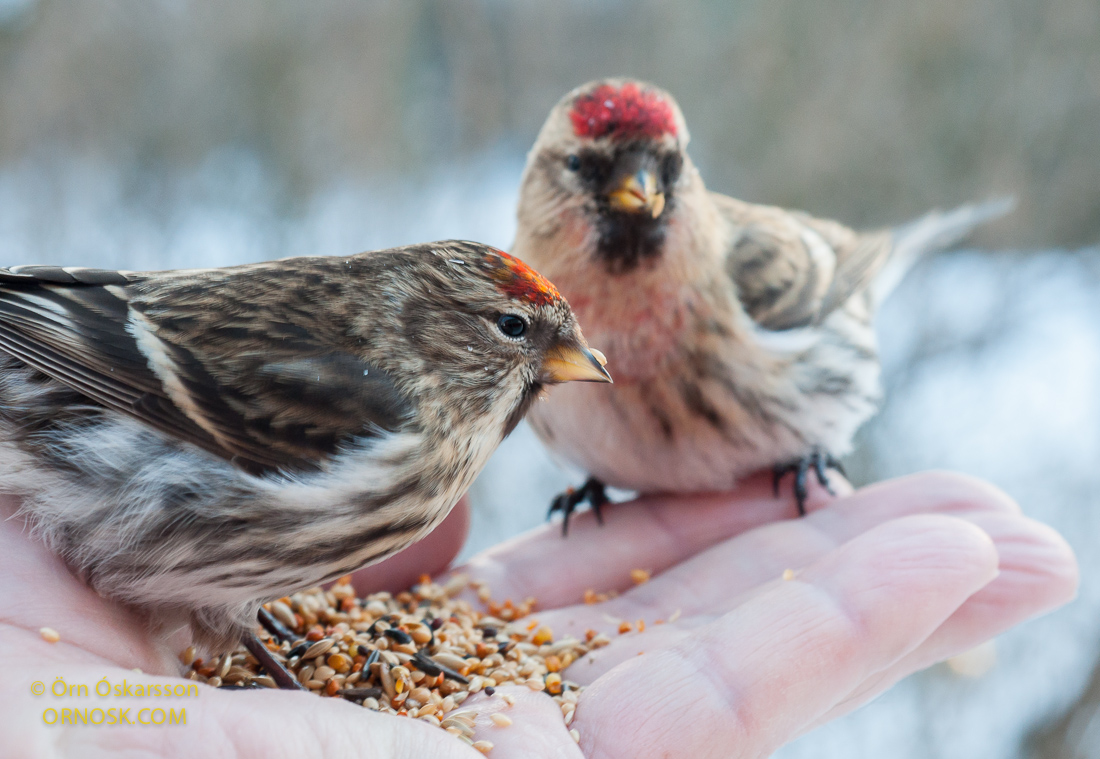
In the winter time when it’s really cold outside the Redpolls come and eat from the palm of my hand. They like the seed blends you can buy for Canaries and Finches. You can usually buy them in grocery stores and pet stores.
Holding them in your hand gives you a very special feeling which is not easy to describe. You could say that I feel like I enjoy some privilege not everyone has access to. –It’s a wonderful feeling.