All posts by Kristin
Do seals also get cancer?
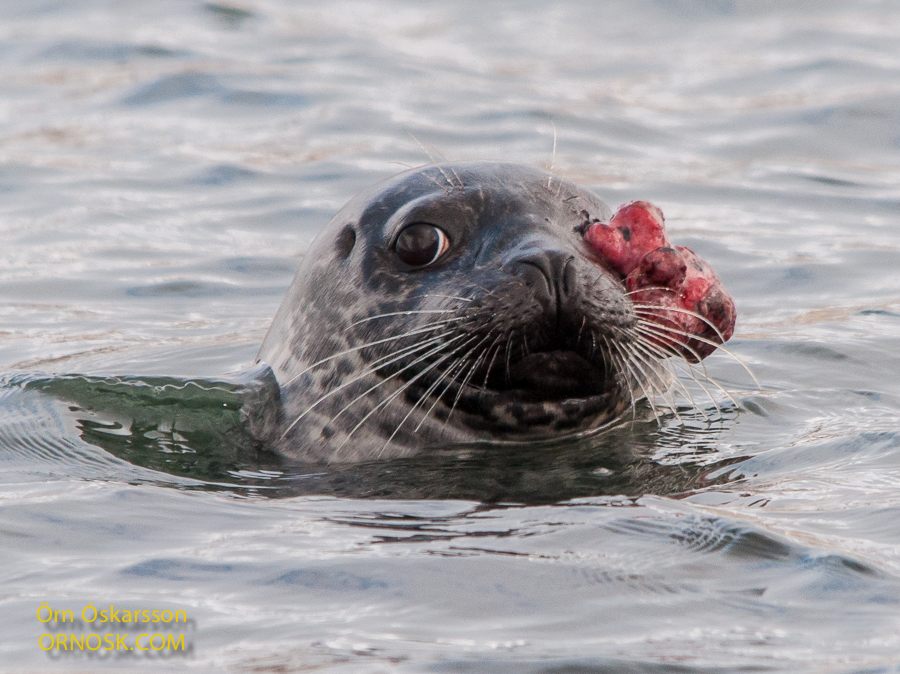
We came across this Harbour Seal (Phoca vitulina) in Snæfellsnes, not far from Fjord Kolgrafarfjörður. It seems to have somekind of infection or tumor blocking the eye. We could not see that the seal was affected by this extra growth as it swam among the other seals, see earlier post.
You can not but feel sympathy for a wild animal like this one and wonder what its life must be like.
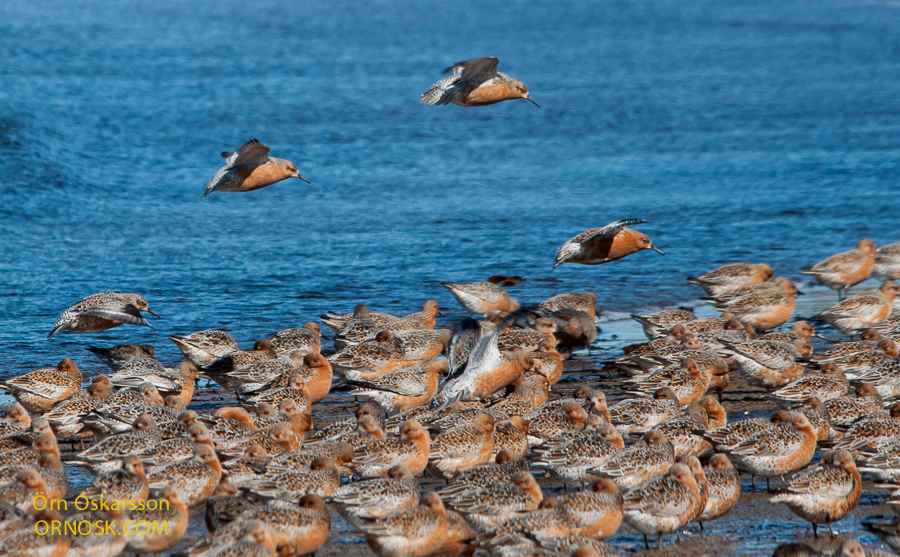
The Knot
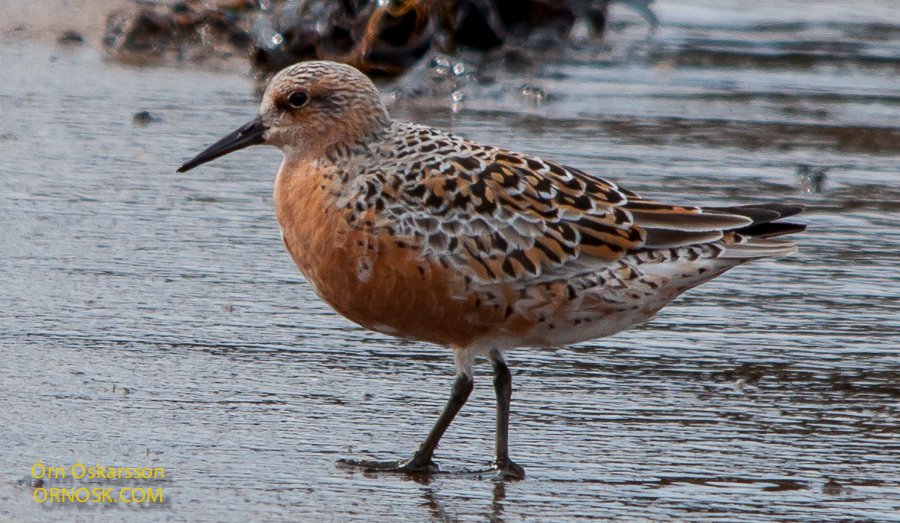
The Knot (Calidris canutus) is a visitor here on the way to its breeding grounds in Greenland and Northeast Canada. In the spring around 270,000 birds stop here and in the autumn their numbers are much higher. For them Iceland is the place to relax and feed on the long flight from their winter grounds in Western Europe. The photos are taken near Eyrarbakki, South Iceland.
Our home is planet Earth
We can’t live without her
Julia Robert gives nature a voice. We can’t live without Mother Nature.
The first chicks
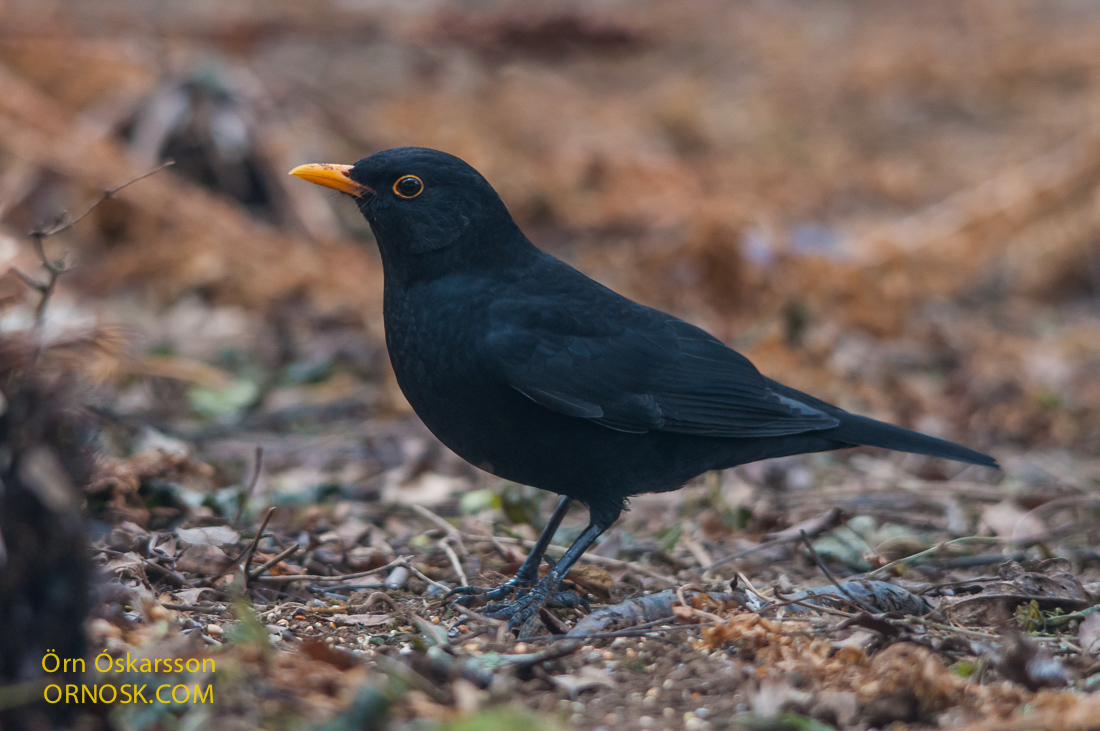
The first chicks this spring have hatched and jumped out of the nest. This morning we saw a Blackbird chick with a very short tail, it was hopping around and trying its wings. We hope that it will not fall prey for the cats that regularly visit the garden.
This is one of the male Blackbirds that was here this winter and perhaps the father of the chick we saw this morning.
Harbour Seal in Snæfellsnes
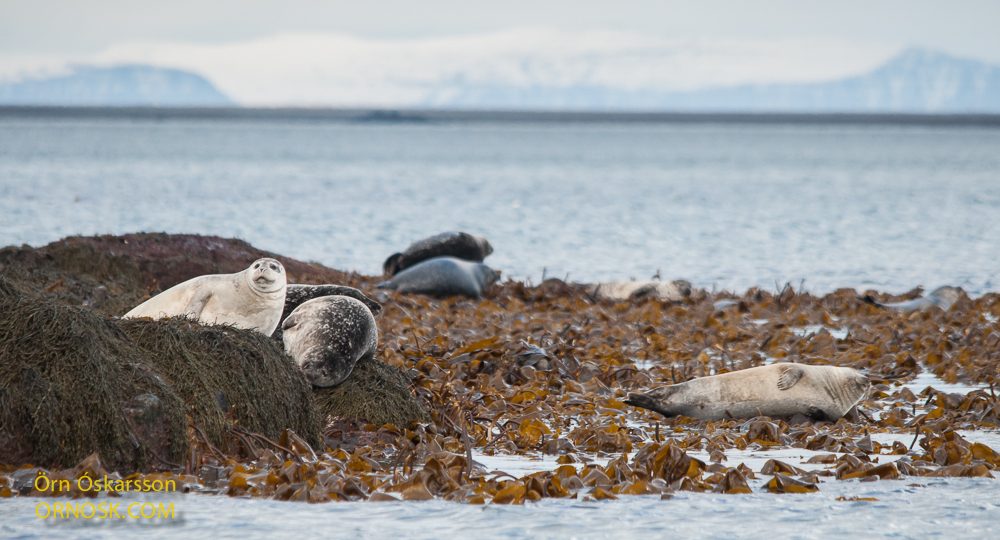
Snæfellsnes is the place to go if you ever visit Iceland. There are usually a lot of seals there if seeing seals is on your agenda. This is the Harbour Seal (Phoca vitulina) but you can also expect to see the Gray Seal (Halichoerus grypus). The photos are taken near Kolgrafarfjörður on the northern side of the Snæfellsnes peninsula.
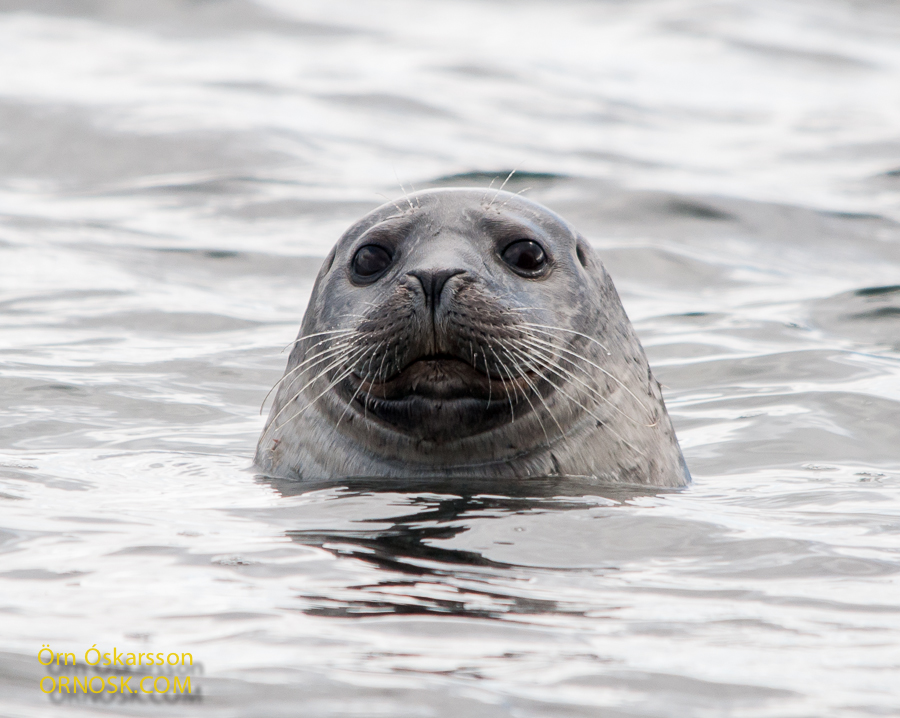
In the last few years Kolgrafarfjörður has been in the news quite often. In 2012 and 2013 the fjord was so overfull of herring that there was lack of oxygen so the herring died. Herring is food for various animals such as seals, killer whales and birds. So everything was teeming with life.
Golden Plovers everywhere
A lot of Golden Plovers are still in urban areas, in places where we are not so used to seeing them. You can see them in home gardens and most open areas and they are often not getting along too well. It seems that they are claiming territory and have to chase away those that come too close.
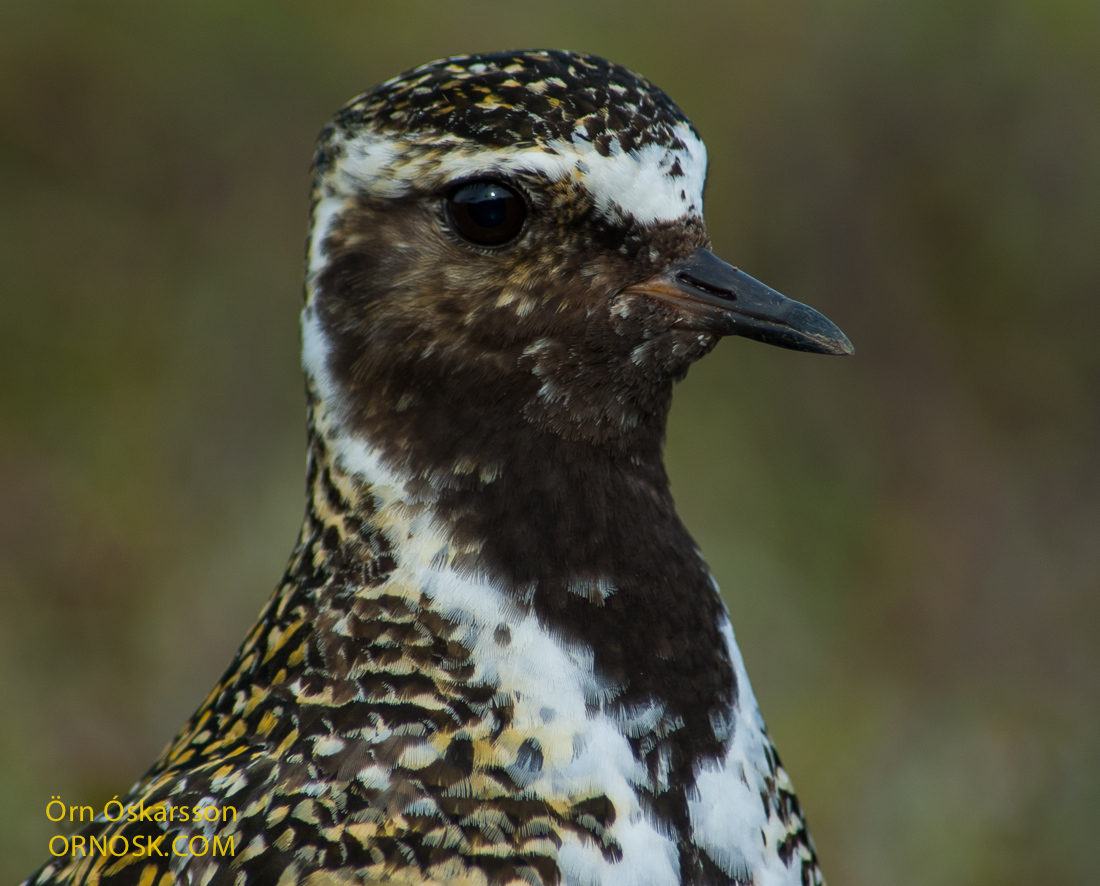
The Golden Plover´s habitat is in lowlands and highlands, in meadows and heaths. This spring there has been a lot of snow in the interior so the ones that are used to breeding in the highlands are probably the ones that are still in the towns. Hopefully the snow in the interior will melt soon so they can move to their breeding areas.
Enjoy nature with us
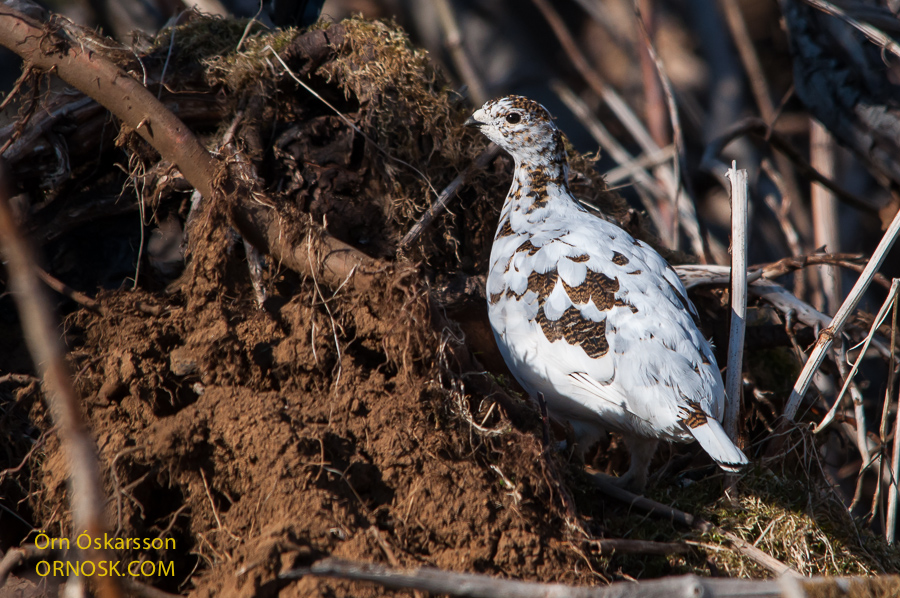
The male still in white
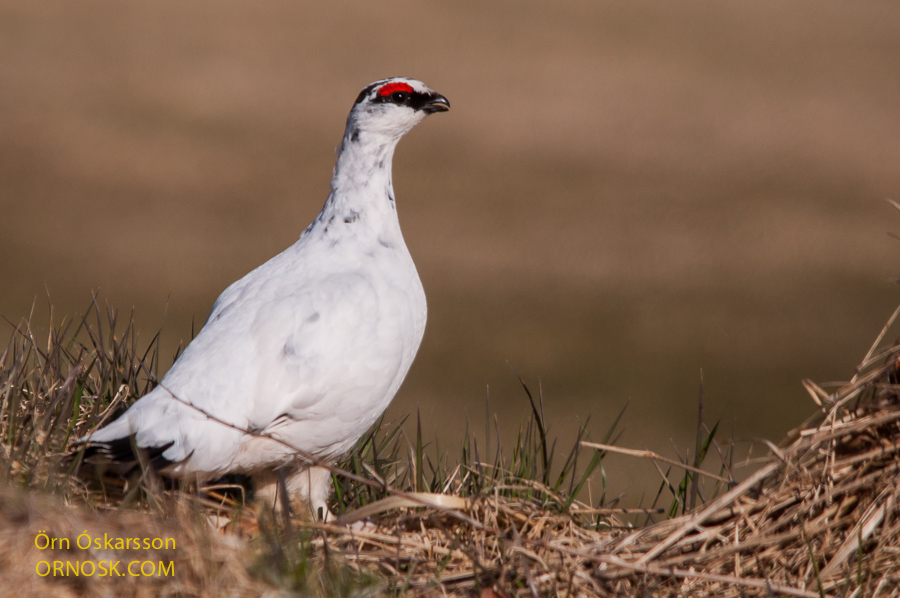
This male Ptarmigan is still white. The females get their summer colors earlier so they do not attract as much attention during the nesting time.