
After a mild snowless winter March greeted us with snow galore. It snowed almost every day and families brought out their skis, thankful for getting at last some snow this winter. There is no denying that it was a great end to the winter with bright skies in-between snowstorms. A lot of tourists, as well as locals, had trouble getting around and snowy roads and closures were almost daily somewhere around the country. But now spring is here and we are looking forward to summer.

Despite the snowy weather migrants flocked to the country, some arriving well ahead of their usual time. The frequent southerly winds with deep fast-moving low-pressure systems contributed to the early arrival of some bird species. The first Arctic Terns were seen by the south coast in the first week of April. That is two to three weeks earlier than before. Most Arctic Terns usually arrive in May. A few White Wagtails were also seen much earlier than before in the East and in the South.

The bird species that winter in Europe are most of them arriving at their usual time. In Selfoss the first Oystercatchers were seen around March 20. The number of Redwings multiplied around March 24.

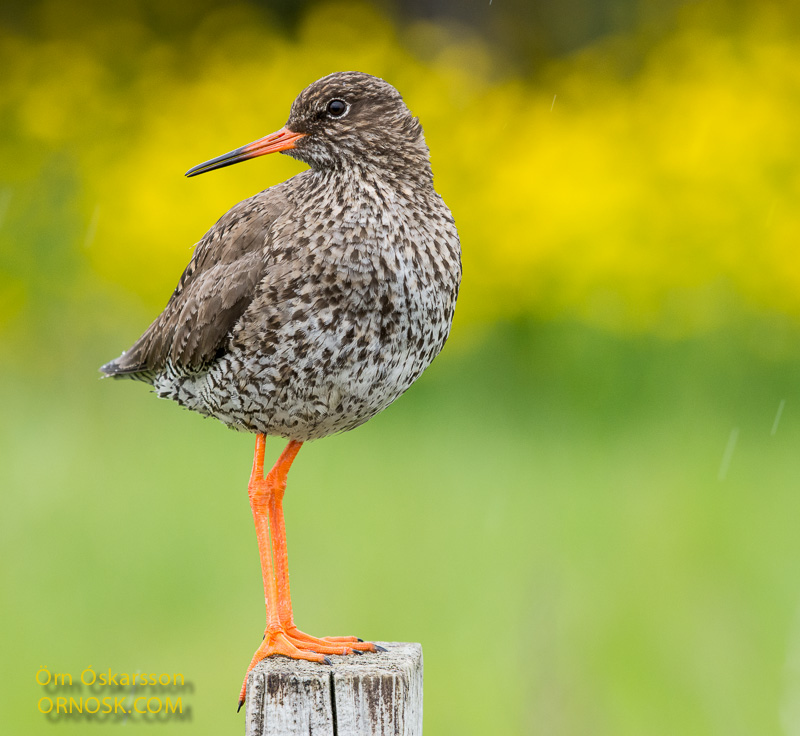
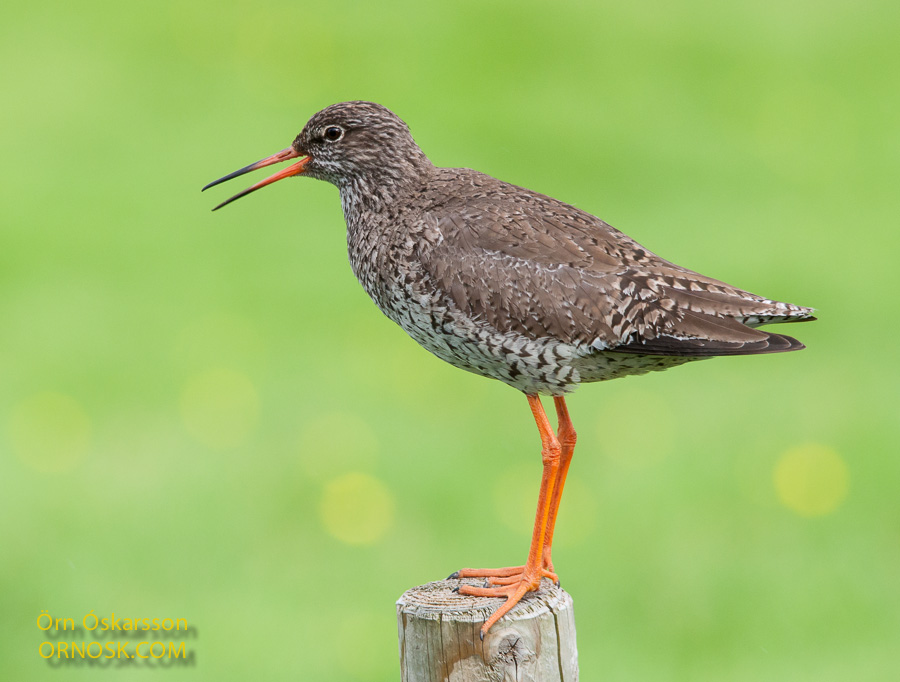
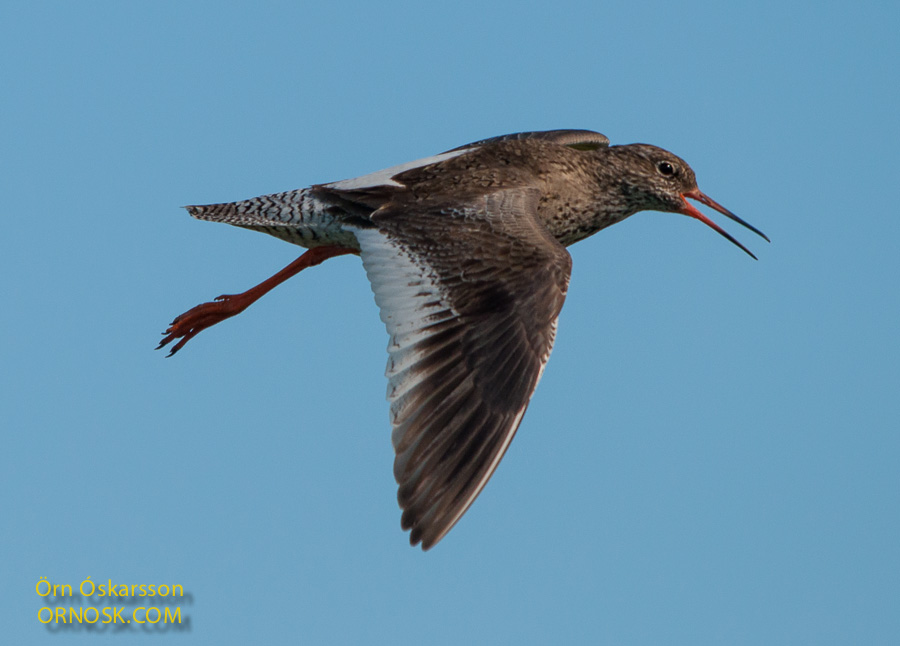
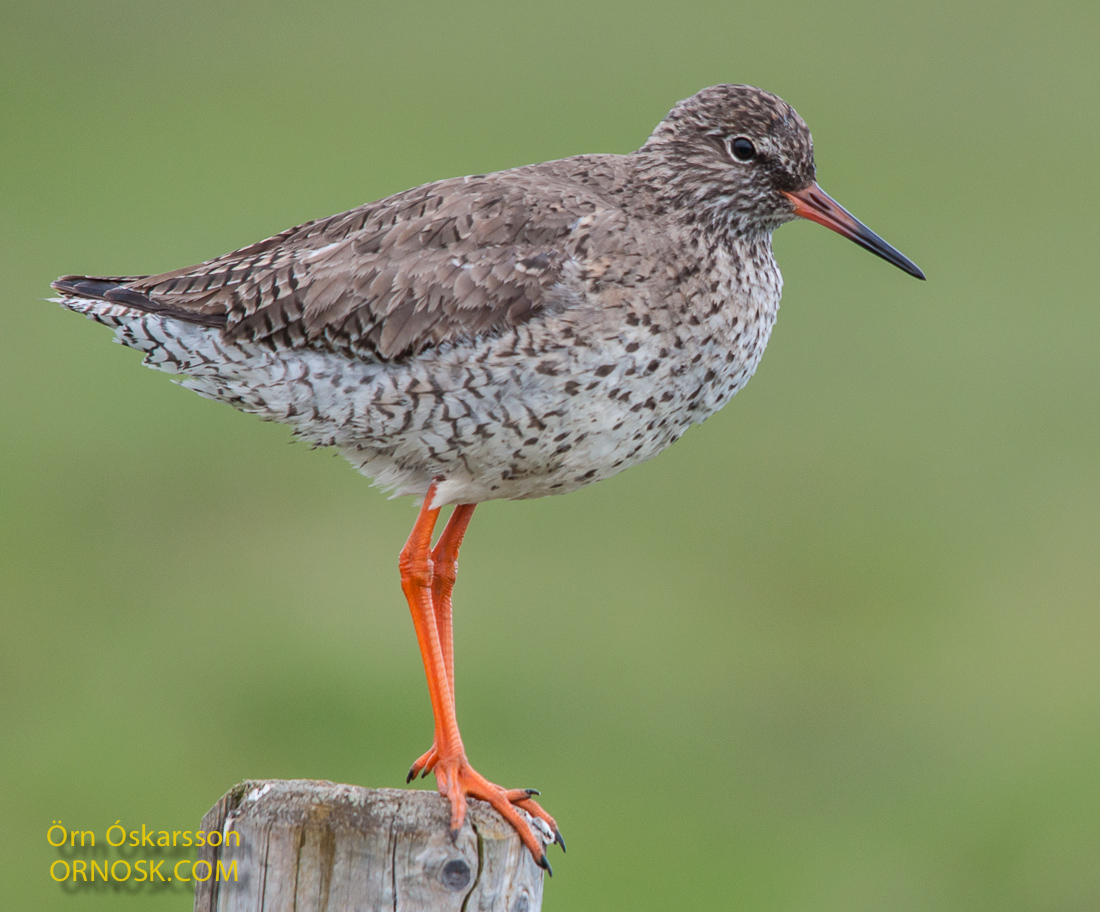
Greylags and Swans have been around Selfoss all winter but their numbers grew around March 20. The first Harlequin Ducks were seen on River Ölfusá on March 27. The first Black-headed Gulls and Red-throated Divers were seen on the river March 29. Redshanks, Snipes and the Golden Plovers around April 8 and the first Common Eiders were seen on the river on April 15. The Black-Tailed Godwits have started arriving and a few Wimbrels have been spotted although most arrive in May.