Tag Archives: Greylag

Migrants are arriving

Grágæs – Greylag – Anser anser

After a mild snowless winter March greeted us with snow galore. It snowed almost every day and families brought out their skis, thankful for getting at last some snow this winter. There is no denying that it was a great end to the winter with bright skies in-between snowstorms. A lot of tourists, as well as locals, had trouble getting around and snowy roads and closures were almost daily somewhere around the country. But now spring is here and we are looking forward to summer.

Newly arrived Oystercatchers

Despite the snowy weather migrants flocked to the country, some arriving well ahead of their usual time. The frequent southerly winds with deep fast-moving low-pressure systems contributed to the early arrival of some bird species. The first Arctic Terns were seen by the south coast in the first week of April. That is two to three weeks earlier than before. Most Arctic Terns usually arrive in May. A few White Wagtails were also seen much earlier than before in the East and in the South.

Stelkur – Redshank – Tringa totanus

The bird species that winter in Europe are most of them arriving at their usual time. In Selfoss the first Oystercatchers were seen around March 20. The number of Redwings multiplied around March 24.

Tjaldur – Oystercatcher – Haematopus ostralegus

Greylags and Swans have been around Selfoss all winter but their numbers grew around March 20. The first Harlequin Ducks were seen on River Ölfusá on March 27. The first Black-headed Gulls and Red-throated Divers were seen on the river March 29. Redshanks, Snipes and the Golden Plovers around April 8 and the first Common Eiders were seen on the river on April 15.  The Black-Tailed Godwits have started arriving and a few Wimbrels have been spotted although most arrive in May.

Swans and Greylags by River Ölfusá

Migrants coming to their breeding sites

Spring is here. Seeing the migrans arriving every day is such an exciting time. Most of them are here by now, although we have not yet spotted the Wheatear. But sightings of the Red Phalarope and Red-Necked Phalarope have not yet been reported.

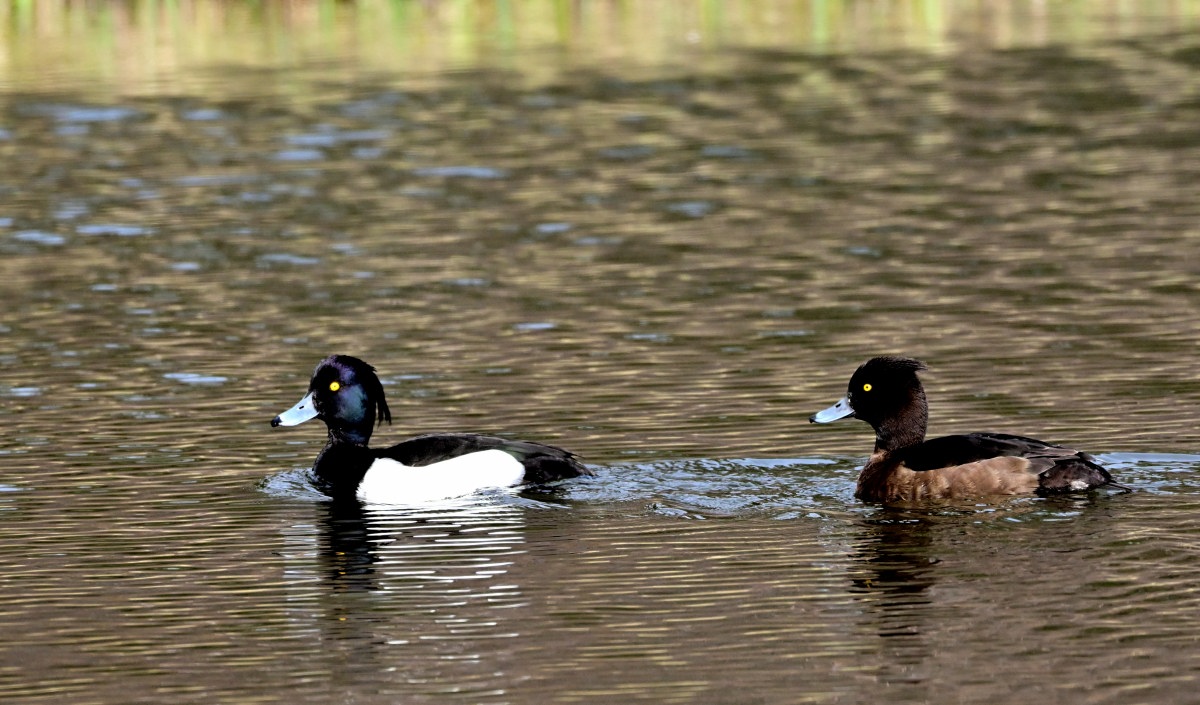
Skúfönd – Tufted Duck – Aythya fuligula

These Tufted Ducks were in Lake Þingvellir this week. This is a small diving duck and a common breeding bird in Iceland. In winter some of them choose to stay on lakes and ponds that do not freeze but most migrate to the British Isles and  South Europe in winter.

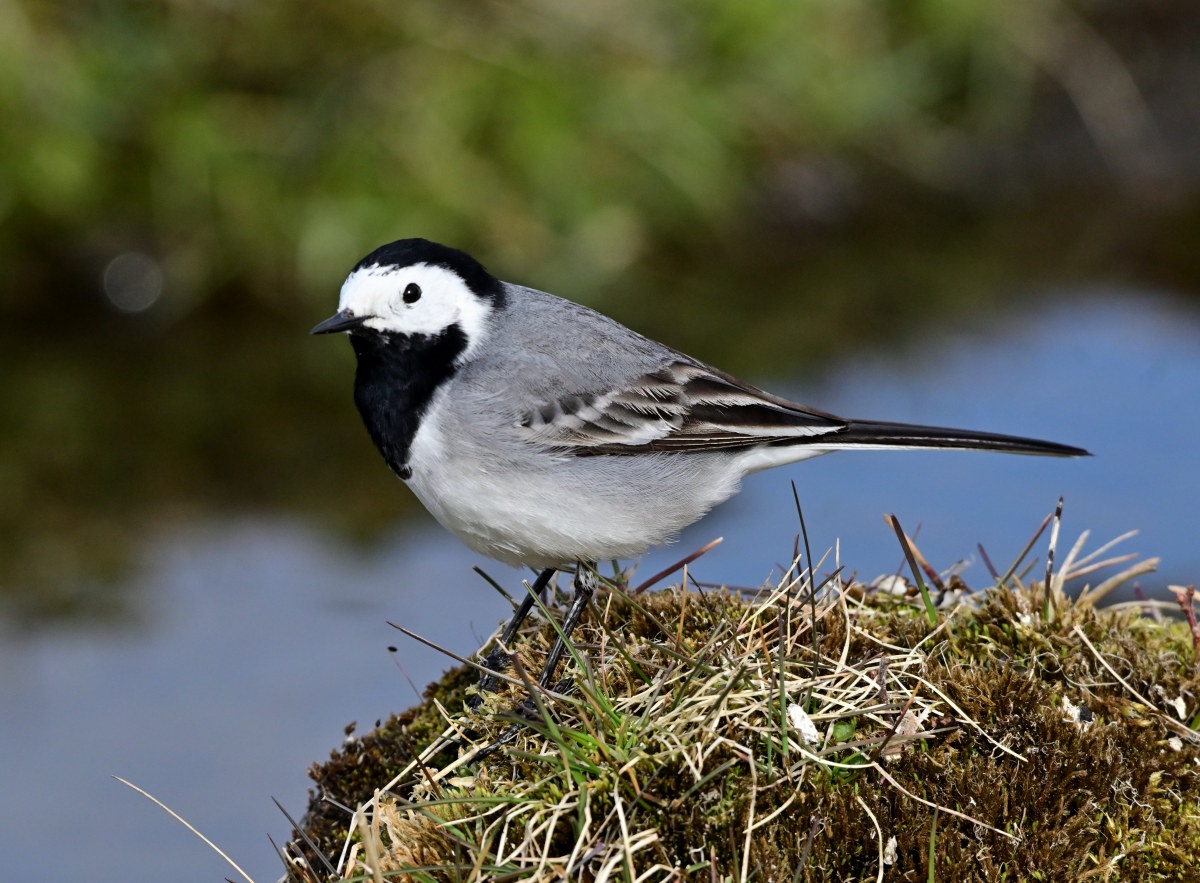
Maríuerla – White Wagtail – Montacilla alba

This beautiful Wagtail was also at Lake Thingvallavatn and eager to be photographed. It has come all the way from its wintergrounds in West Africa. The pair that has come to our garden for years has not arrived.  We hope they have moved but not perished.

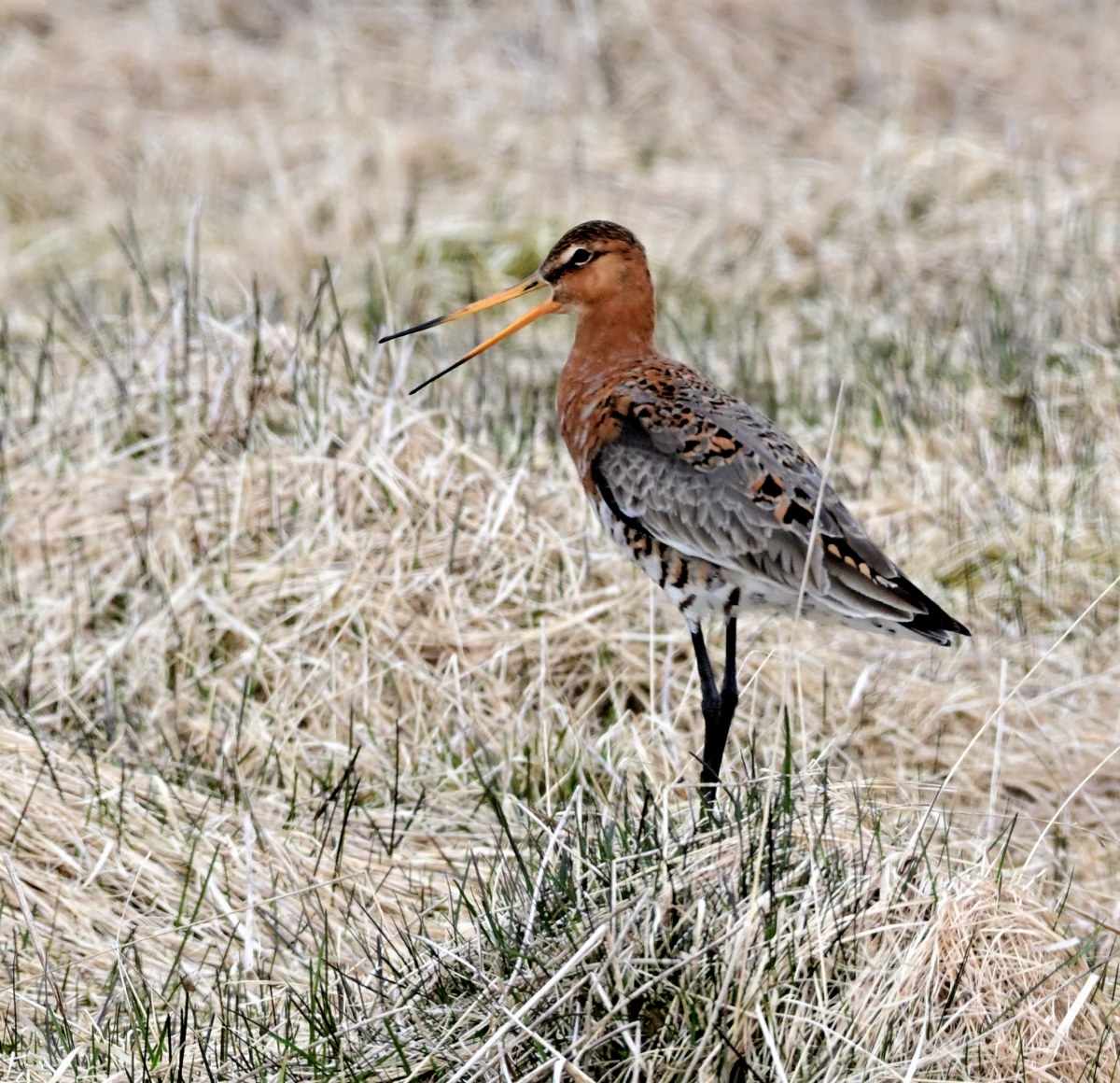
Jaðrakan – Black-Tailed Godwit – Limosa limosa

One of the migrants arriving in flocks is the Black-Tailed Godwit with its beautiful colours and shrill song. It overwinters on the west coast of Europe, from The Netherlands to the shores of Portugal. Our special Icelandic subspecies mostly breeds in lowlands all over Iceland. They also breed in the Faroe Islands, Shetlands and Lofoten.

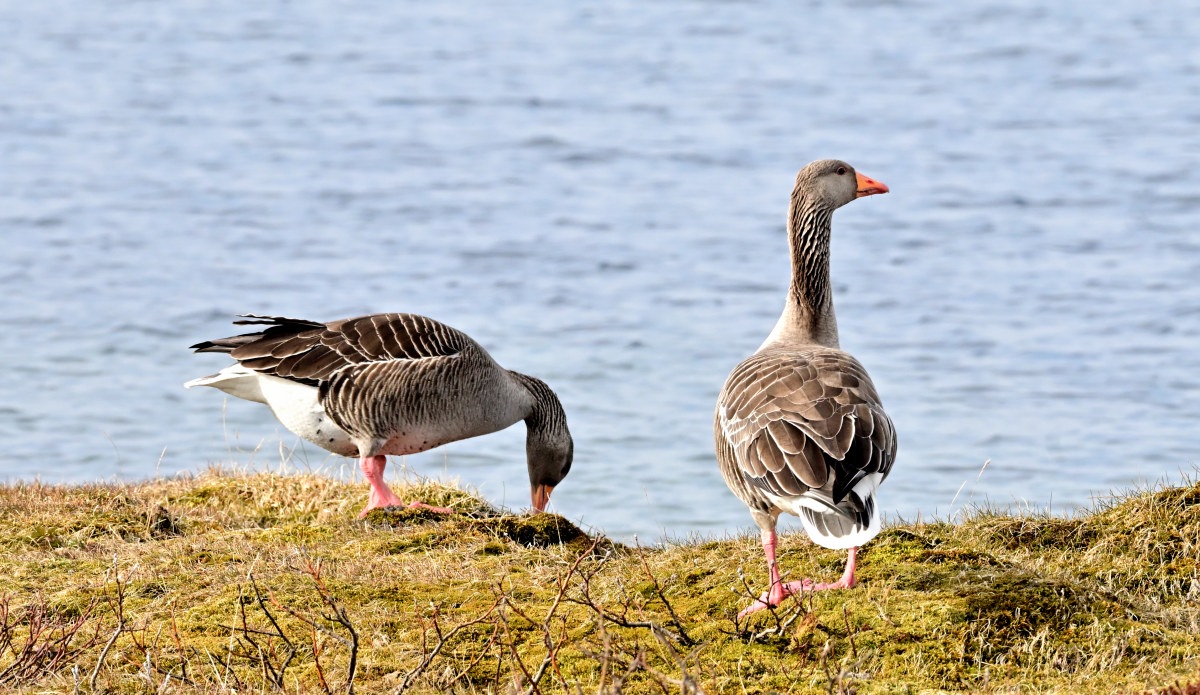
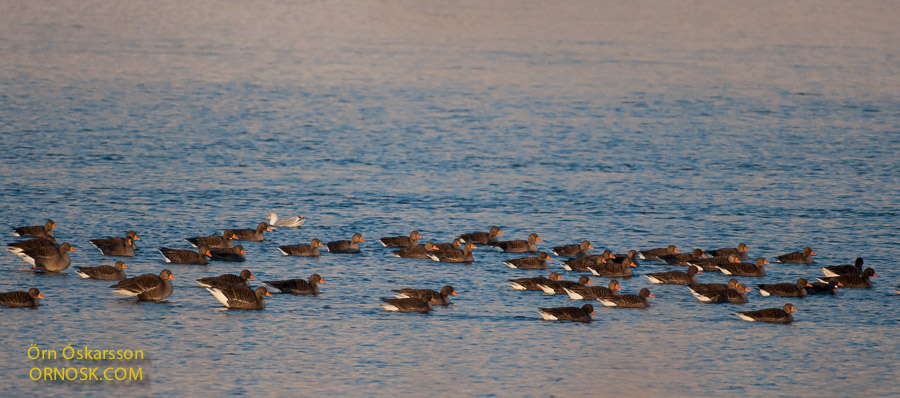
Grágæs – Greylag goose – Anser anser

Most Greylags overwinter in the British Isles but some decide to struggle through the winter here in Iceland. This pair along with a lot of others have taken up residence by Lake Thingvallavatn. Their population is decreasing whereas their cousines the Pink-footed Geese and the Barnacle Geese are growing in numbers. The latter is believed to have started breeding in Southeast Iceland in 1988.

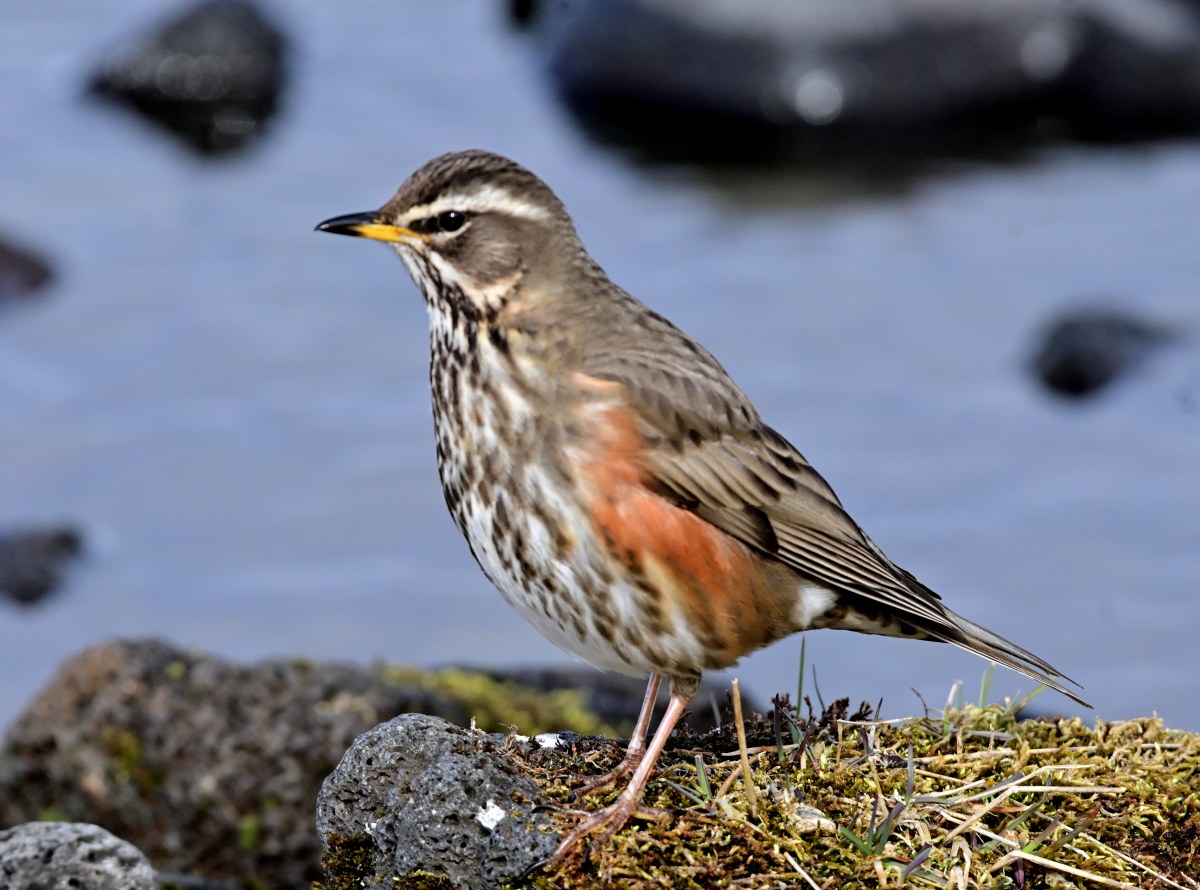
Skógarþröstur – Redwing – Turdus iliacus

The same goes for the Redwing, some stay here the whole year round, others go to the British Isles. As winters become warmer staying is perhaps not such a bad choice. Flocks of Redwings start arriving early, many in the middle of March. The Redwing always has a special place in the heart of the Icelandic nation, signalling the coming of spring.

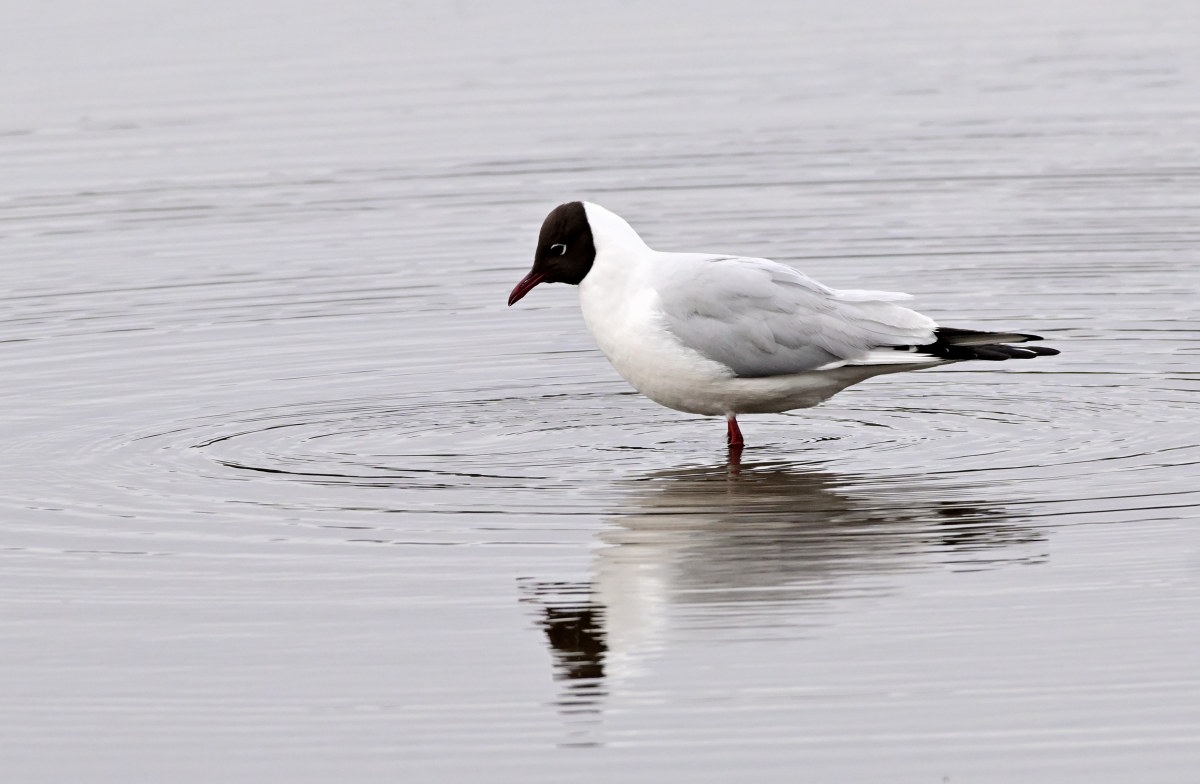
Hettumáfur – Black-headed Gull – Chroicocephalus ridibundus

The Black-headed Gull is also one of the earlier arrivals, many staying in the sea around Iceland in winter. They do not go unnoticed with their black masks and their call that is loud and harsh, often sounding like laughter.

Overwintering Greylag

andfuglar-2
Grágæs – Greylag – Anser anser

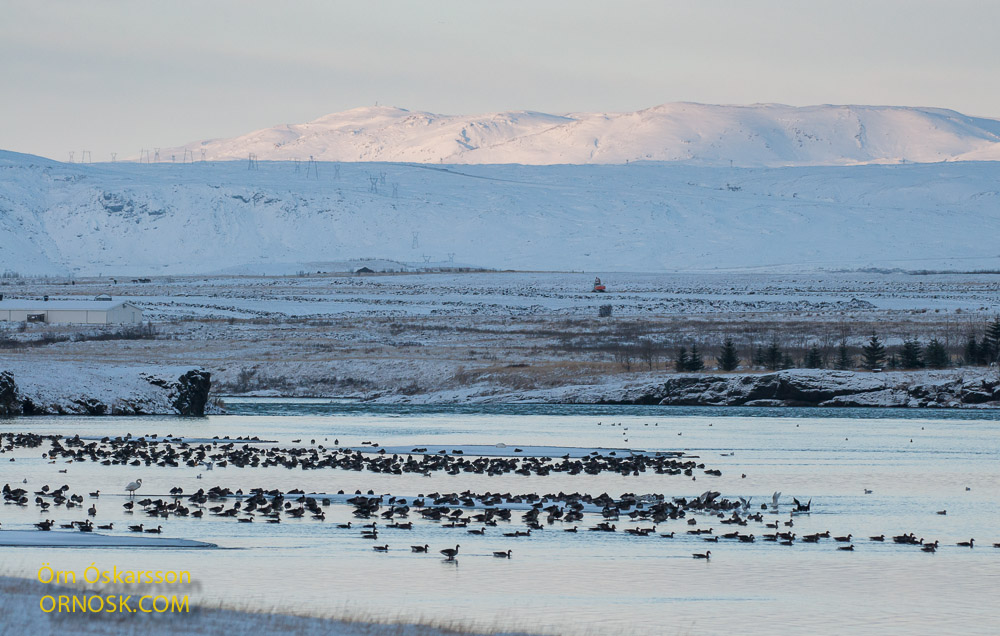
In the last few years more and more Greylags choose to overwinter in Iceland instead of going to the British Isles. They are now unusually many on Ölfusá River near Selfoss.  The group counts more than 500 birds. It is winter weather now  with snow and frost and soon the river will freeze over. Whether the group decides to stay or leave remains to be seen. Will they decide to stay and struggle through the winter or flee to warmer places?

gaesir
Part of the group on River Ölfusá

The Greylag lays up to seven eggs

gragaes-4
Grágæs – Greylag – Anser anser

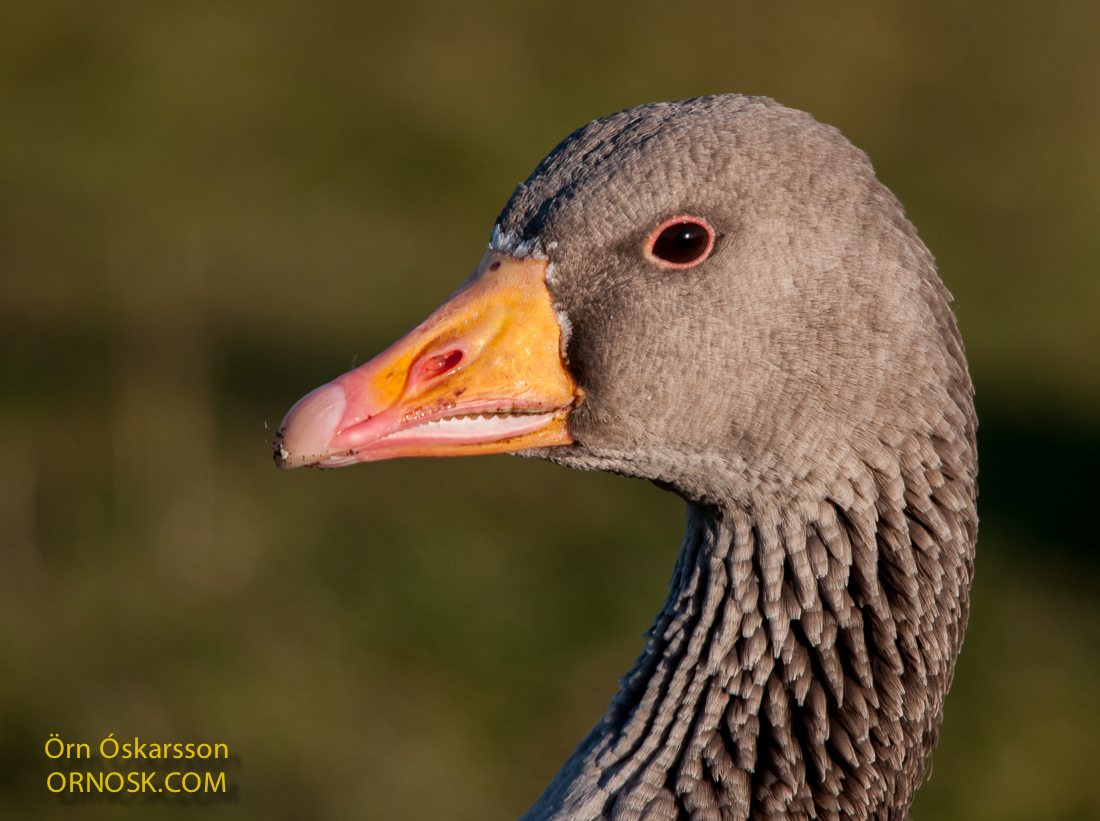
The Greylag (Anser anser) is the biggest goose that breeds in Iceland. The species counts 20 to 40 thousand pairs. The Greylag mostly breeds in the lowlands, in lush vegetation and scrubs near water.

gragaes-2

It lays up to seven eggs. In later summer they can be seen in cornfields and meadows but most of them leave for the British Isles in the autumn. In the last few years thousands of Greylags have overwintered here in Iceland.
Continue reading The Greylag lays up to seven eggs