All posts by Kristin

The most beautiful wader

jadrakan-3
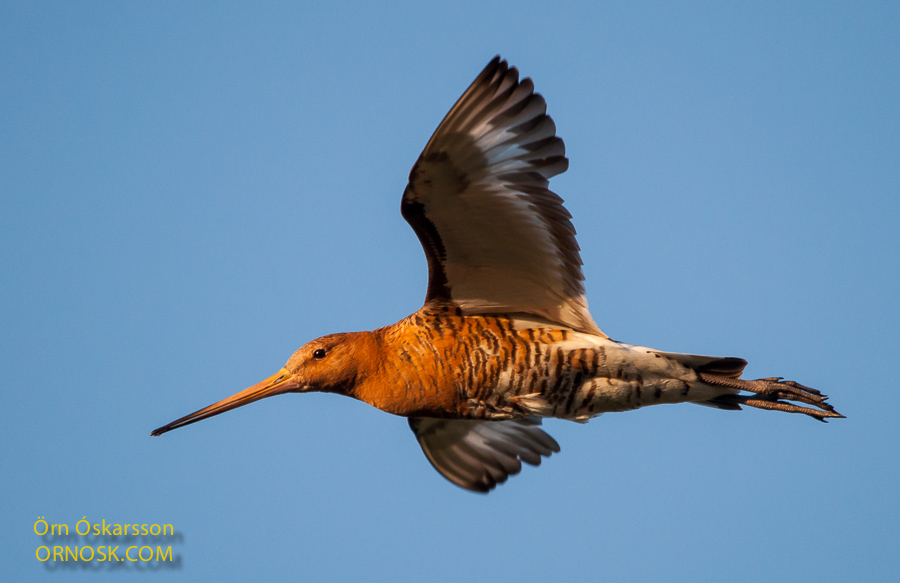
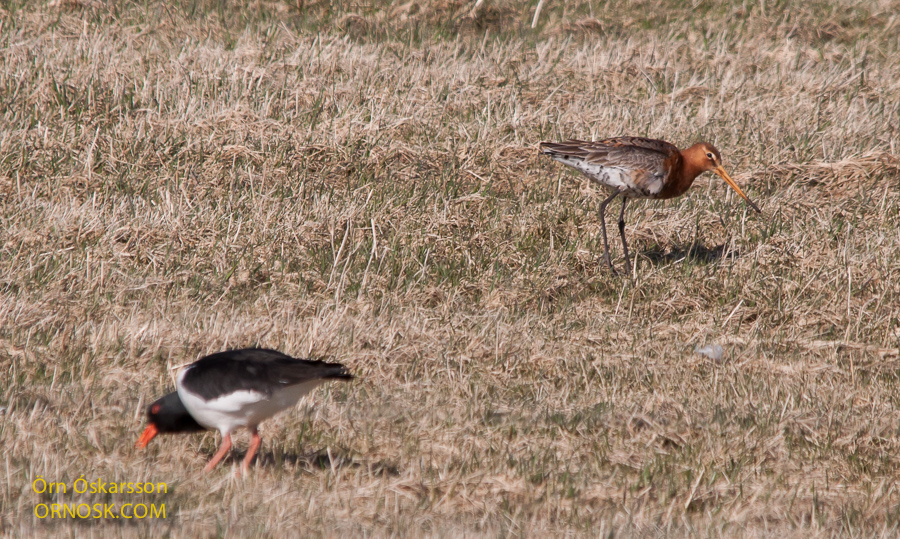
Jaðrakan – Black-tailed Godwit – Limosa limosa

In the last few days a few Black-tailed Godwits (Limosa limosa) have been spotted near Selfoss. This morning there were 12 on the banks of  Ölfusá River and a few flying by the seaside in Eyrarbakki. The Black-tailed Godwit is one of the most beautiful waders that breed in Iceland and their arrival in spring awaited with anticipation.
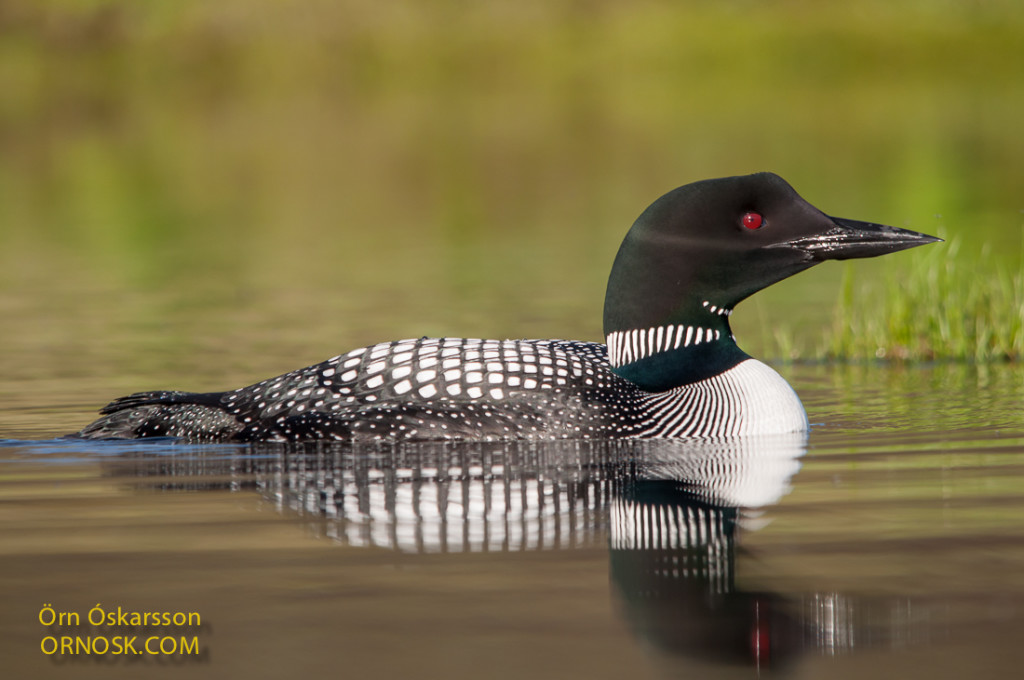
jadrakan
Oystercatcher and Black-tailed Godwit this morning near Eyrarbakki

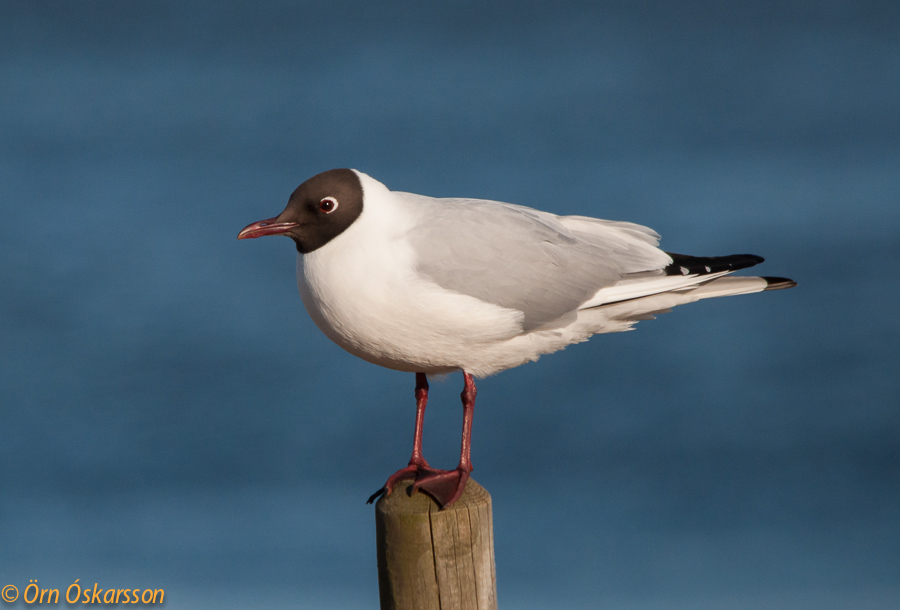
Black-headed Gull on the river

hettumafur
Hettumávur – Black-headed Gull – Chroicocephalus ridibundus

The Black-headed Gull is mostly a migratory bird in Iceland but some prefer to stay in the ocean around the country in winter time. It was first seen by the seaside some weeks ago but yesterday big flocks of them were seen in the south and south east part of the country. Yesterday we saw the first individuals flying up the river Ölfusá  by Selfoss.
It is estimated that there are around 25 – 30,000 breeding pairs in Iceland. The Black-headed Gull started breeding here around 1930.

More Robins than in recent years

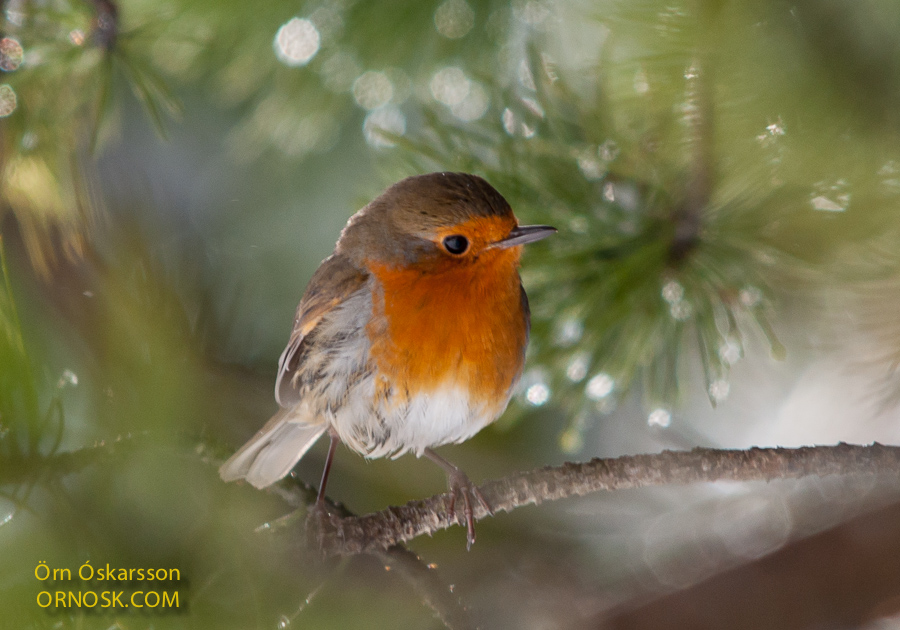
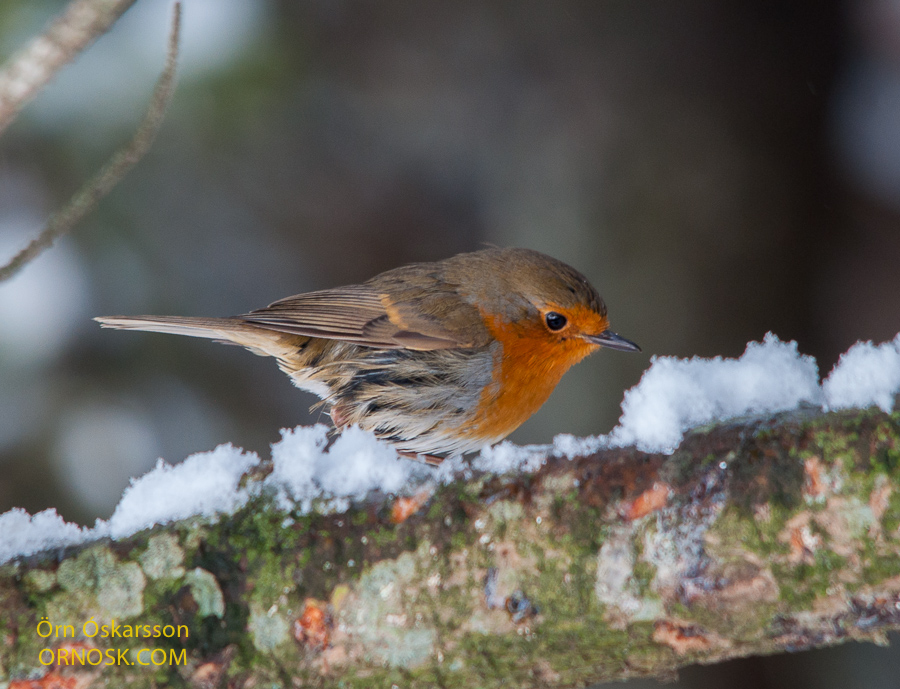
Yesterday we came across this European Robin (Erithacus rubecula) when we visited the family summerhouse. The snow was probably 30 cm deep and we just made it there. The Robin was not shy to come close to get to the feed. It was probably in dire need of food. Getting a good picture was not easy because of its rapid movements.

globrystingur-2
Glóbrystingur – European Robin – Erithacus rubecula

It seems that more Robins have been here this winter than in recent years. They are vagrants and probably annual visitors.

globrystingur

Common Snipe

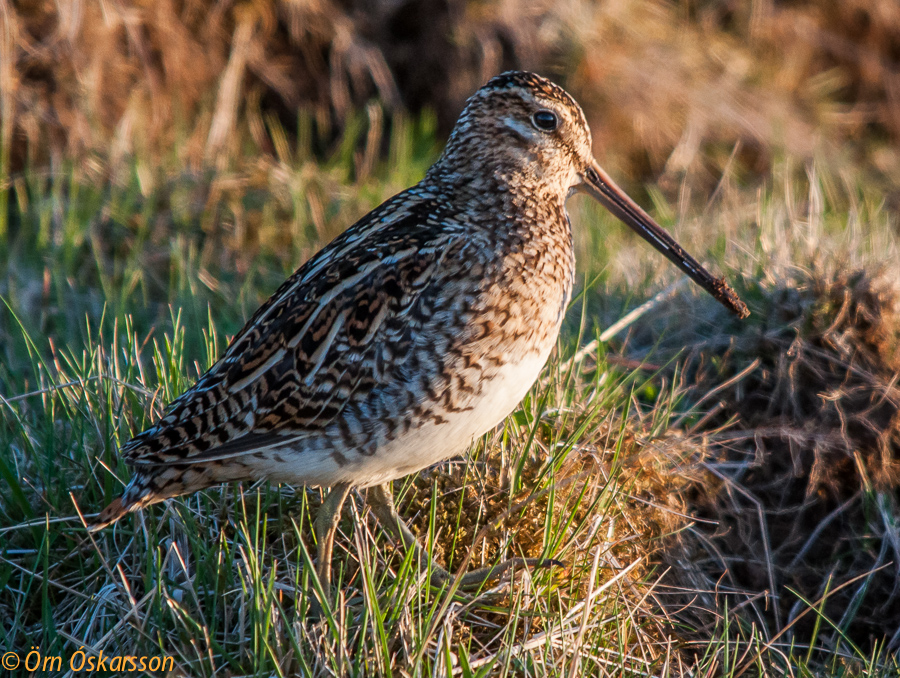
The Common Snipe is a migratory bird in Iceland although a few stay behind and endure winter. These birds keep to warm springs and ditches. Early in April the migrators will be arriving in Iceland.

The Common Snipe is known for the special sound it makes on flight with its tail feathers.

hrossagaukur
Hrossagaukur – Common Snipe – Galinago gallinago

It lives in marshes, stream banks, bogs, wet meadows, and even the Arctic tundra, preferring lush vegetation for cover. The common snipe’s habitat ranges from North America, South America, Europe, Eurasia, and Africa.

Slavonian Grebe

The Slavonian Grebe is not a common breeding bird in Iceland. You are most likely to see it in Mývatn, in the North, and surrounding areas. There are also a few birds in other areas e.g. in Ástjörn in Hafnarfjörður and Reykhólar in the West. The Slavonian Grebe makes its nest on lakes and ponds. What is special about the nest is that it floats on the water among the reeds, made of moss and straws.

florgodi
Flórgoði – Slavonian Grebe – Podiceps auritus

This photo is taken in the West, in Reykhólar in Reykhólasveit, in the beginning of June, 2011.

European Shag

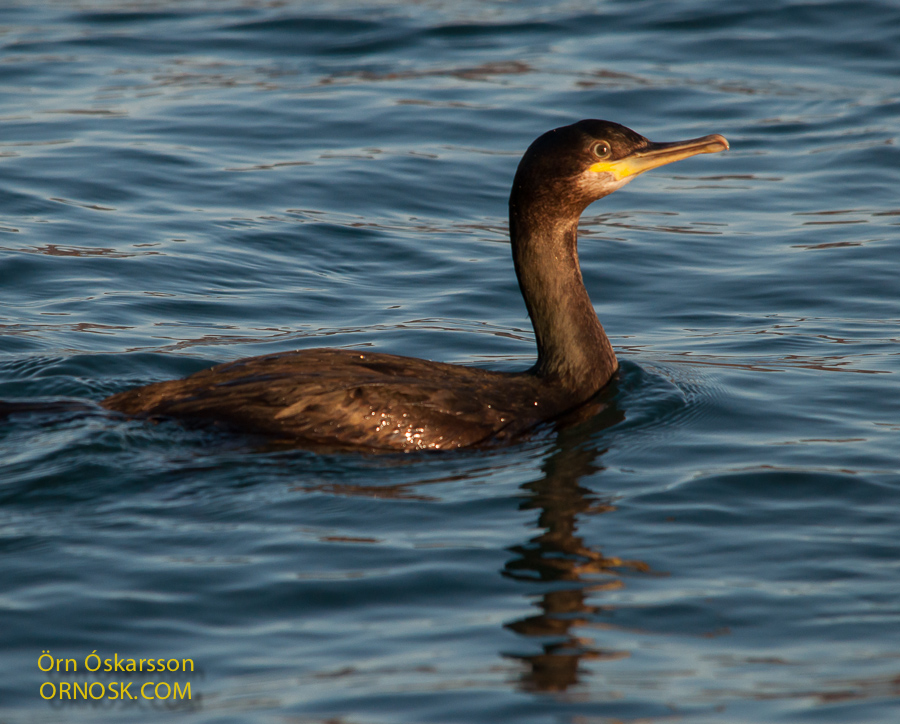
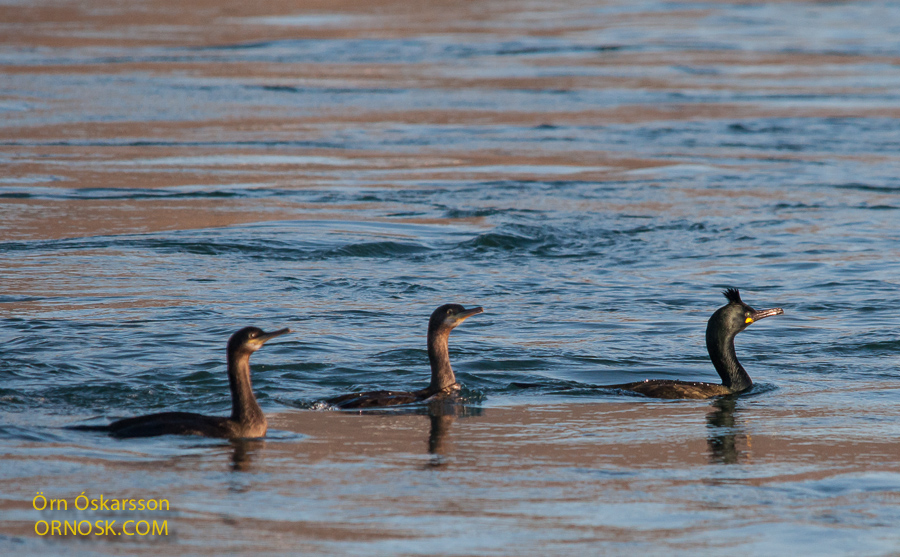
Toppskarfur - European Shag - Phalacrocorax aristotelis
Toppskarfur – European Shag – Phalacrocorax aristotelis

The European Shag mostly keeps to the shore and is seldom seen far from land. It breeds and lives in the Northeast Atlantic and the Mediterranean. In Iceland it mostly keeps to the West coast, in Faxaflói and Breiðafjörður. Its nest is in sea cliffs, islands and bird colonies and it lays one to six eggs. The European Shag is a good diver and mostly lives on small fish.

toppskarfur-2

The estimated breeding population in Iceland is 4,900 pairs.

The Golden Plover has arrived

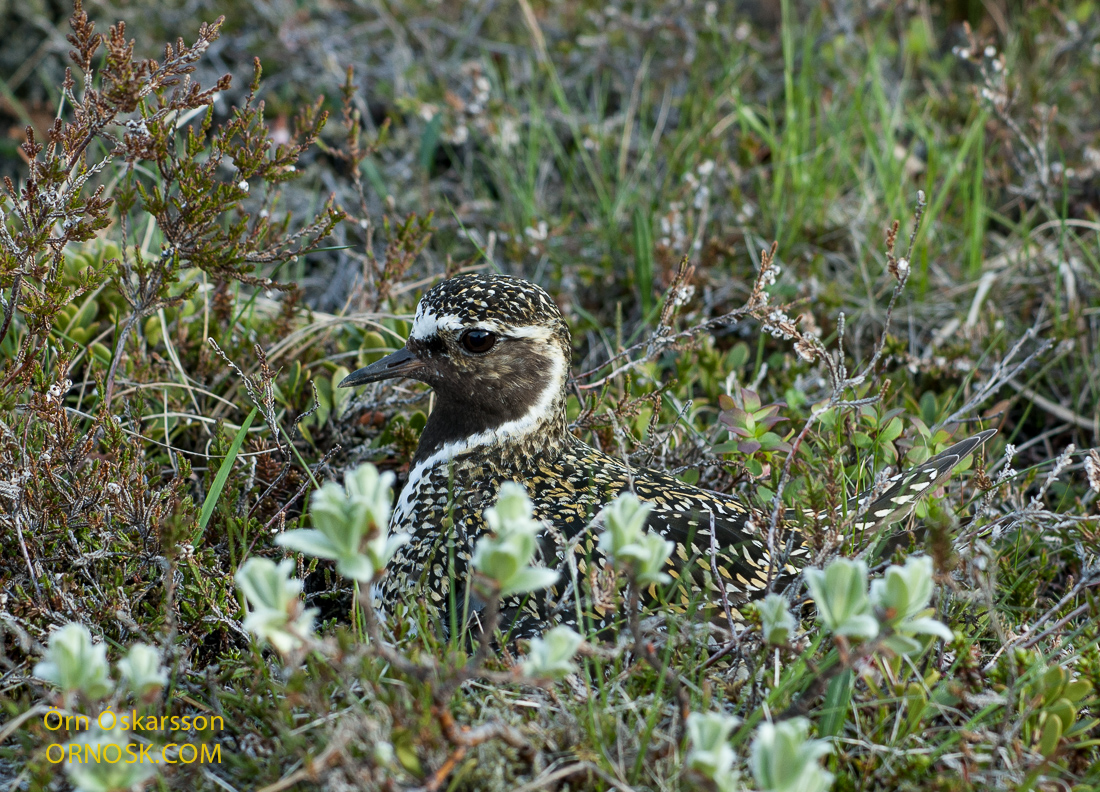
The first news of the arrival of the Golden Plover (Pluvialis apricaria) has been issued. It is said to have been seen in Breiðdalur, in the East of Iceland, yesterday, March 18. Now spring must surely be on its way.

Heiðlóa - Golden Plover - Pluvialis apricaria
Heiðlóa – Golden Plover – Pluvialis apricaria

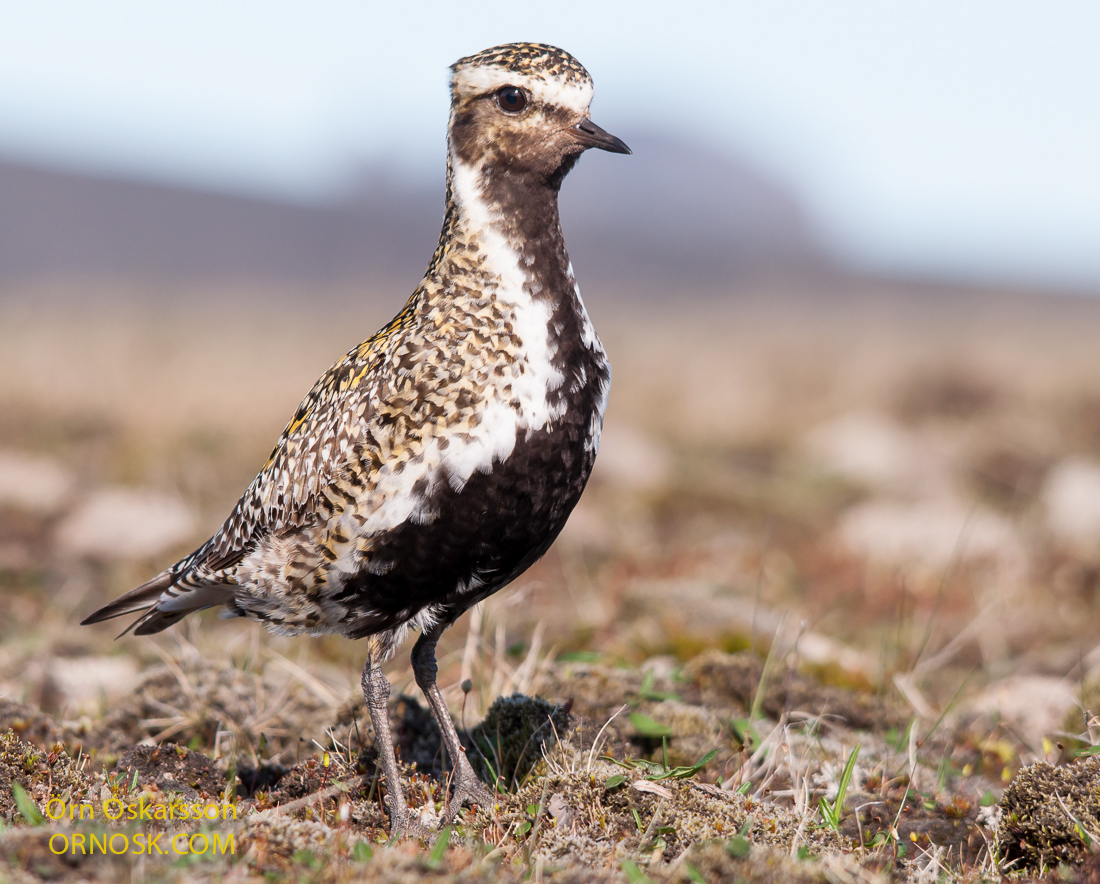
The Golden Plover  is probably the most loved Icelandic bird. Its arrival in the spring is looked forward to because it signals the coming of summer.

Heiðlóa - Golden Plover - Pluvialis apricaria
Heiðlóa – Golden Plover – Pluvialis apricaria

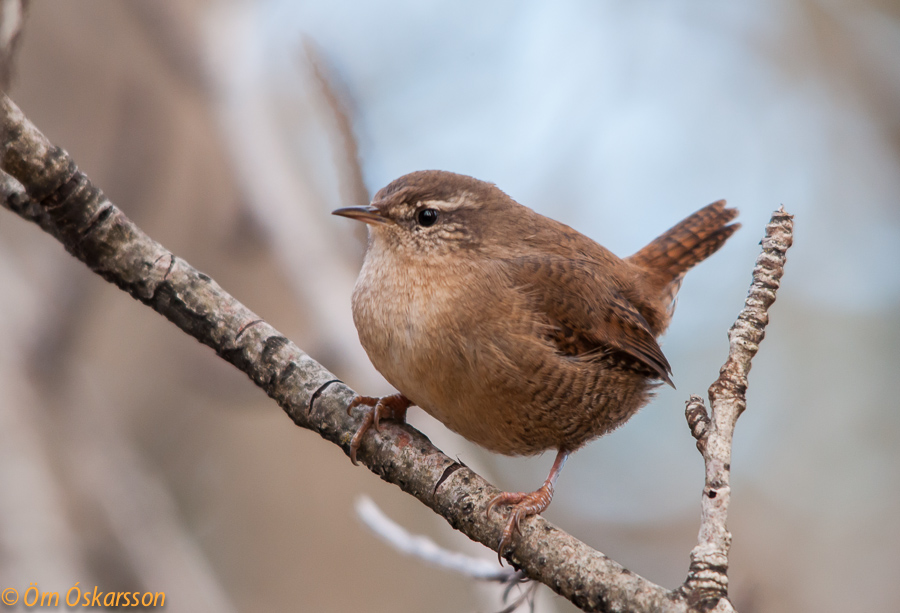
The Wren is on the move

The Wren was the smallest Icelandic bird before the Goldcrest settled here. It is a tiny little bird with a big voice. It is one of the birds that stays in Iceland the whole year. In the winter time it can be found by the seaside but in other seasons all over the country, mostly lowlands though.

musarrindill
músarrindill – Wren – Troglodytes troglodytes

We have had a Wren in the garden now for a few days which tells us that it is expecting spring.

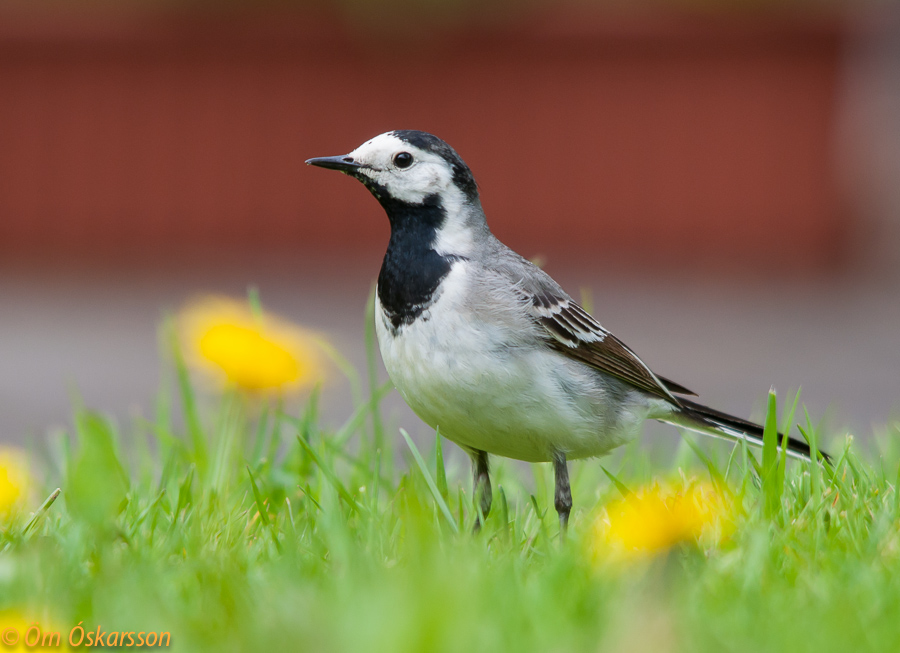
The Wagtail wags its tail

The White Wagtail (Motacilla alba)  is a beautiful little bird that constantly wags its long tail. It is quite noticeable dashing about in the garden in the summer time. The Wagtail is one of the migratory birds which arrival is looked forward to in the spring.

mariuerla
Maríuerla – White wagtail – Motacilla alba

We like the Wagtail a lot and there is usually a pair with a nest in the garden every year. It quite likes the oatmeal biscuits we feed it.