All posts by Kristin

The first Blackcap

Hettusöngvari – Blackcap – Sylvia atricapilla

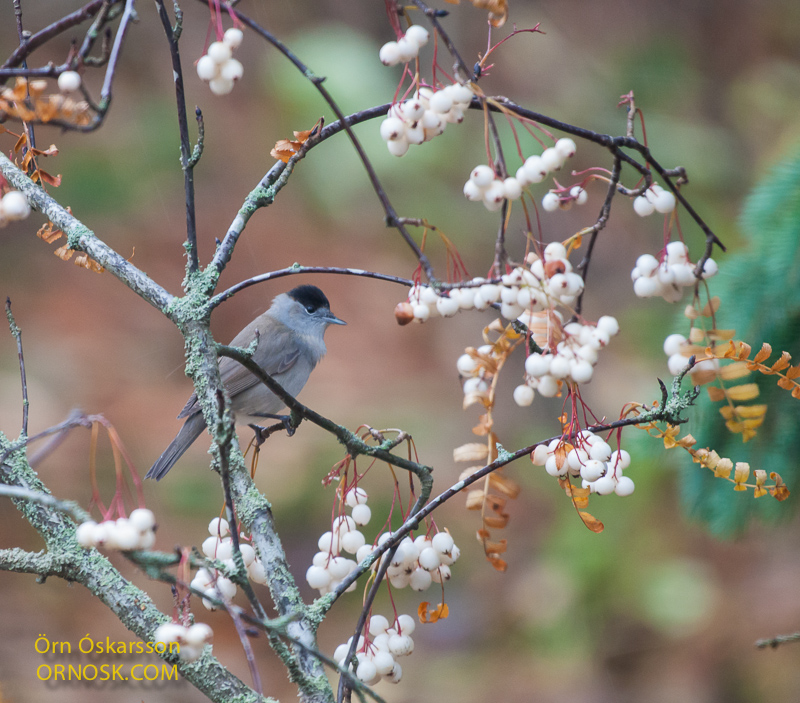
We spotted this season’s first Blackcap, a male, in the garden today. Blackcaps are annual vagrants and the first ones are usually seen in the end of October but most of them come in the first week of November. Blackcaps have sometimes stayed in the garden the whole winter. How well they cope depends on how mild the winter is. They mostly eat berries from shrubs and the apples that we put out. They also like fat and compete with the other birds for food.
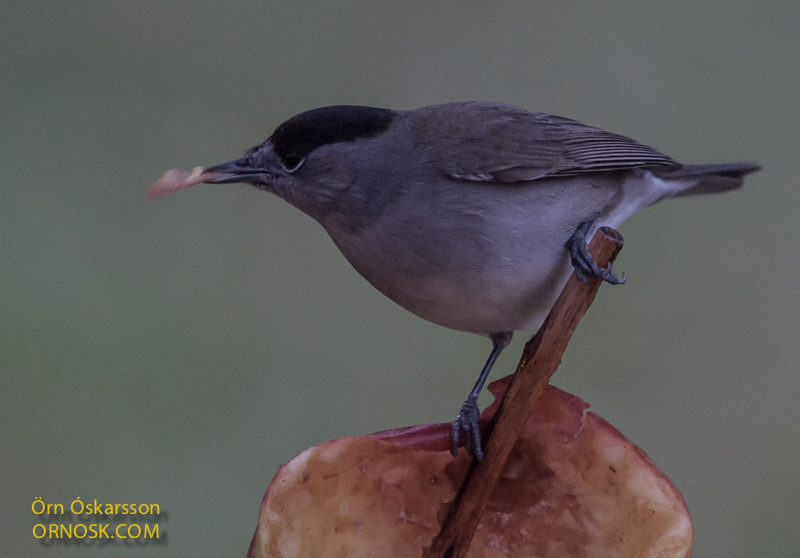
Eating an apple
Eating an apple

This Blackcap was in our garden in Selfoss today.
First Day of Winter

Yesterday was the First Day of Winter. According to Icelandic tradition First Day of Winter is on the Saturday in the period 21st to 27th October. This day is not celebrated in Iceland, although in the olden days there was a tradition of feasts at this time of year when the meat supply was at its greatest. The winter weather was e.g. predicted by the behaviour of mice, birds and other animals.

Hunting season started

rjupa-6
Rjúpa – Ptarmigan – Lagopus mutus

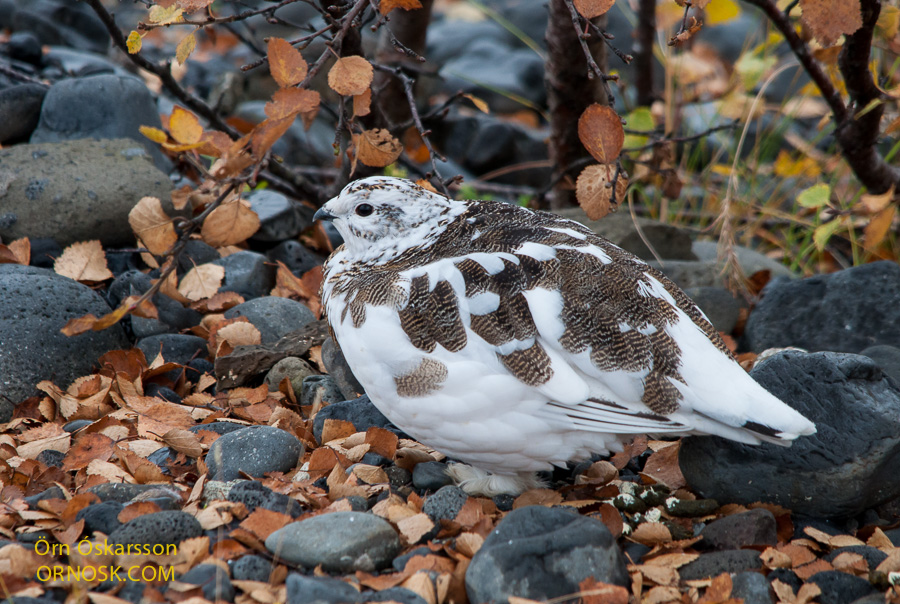
The Ptarmigan has almost shed its summer plumage, getting whiter every day. While the ground is snowless it is easy to spot this tame bird. Tomorrow is the start of the hunting season, which lasts 12 days or four long weekends. Estimated breeding population has dropped from last year. Despite this the number of hunting days has not been changed. Hopefully it will snow so the Ptarmigan will not be as easy to spot. According to the weather forecast this might come true tomorrow.

Tree of the year 2015

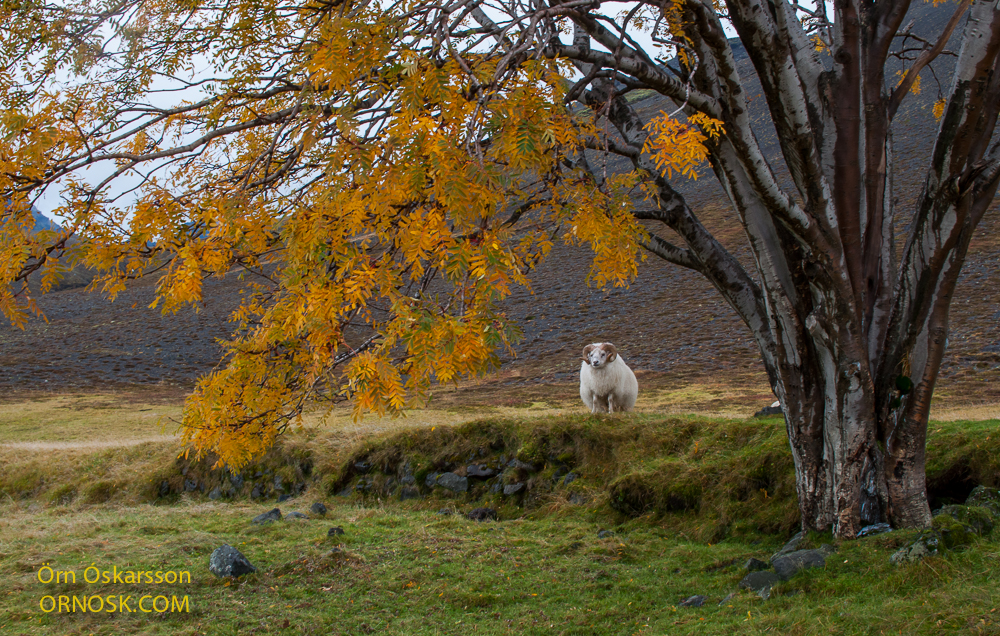
A ram stands watch
A ram stands watch

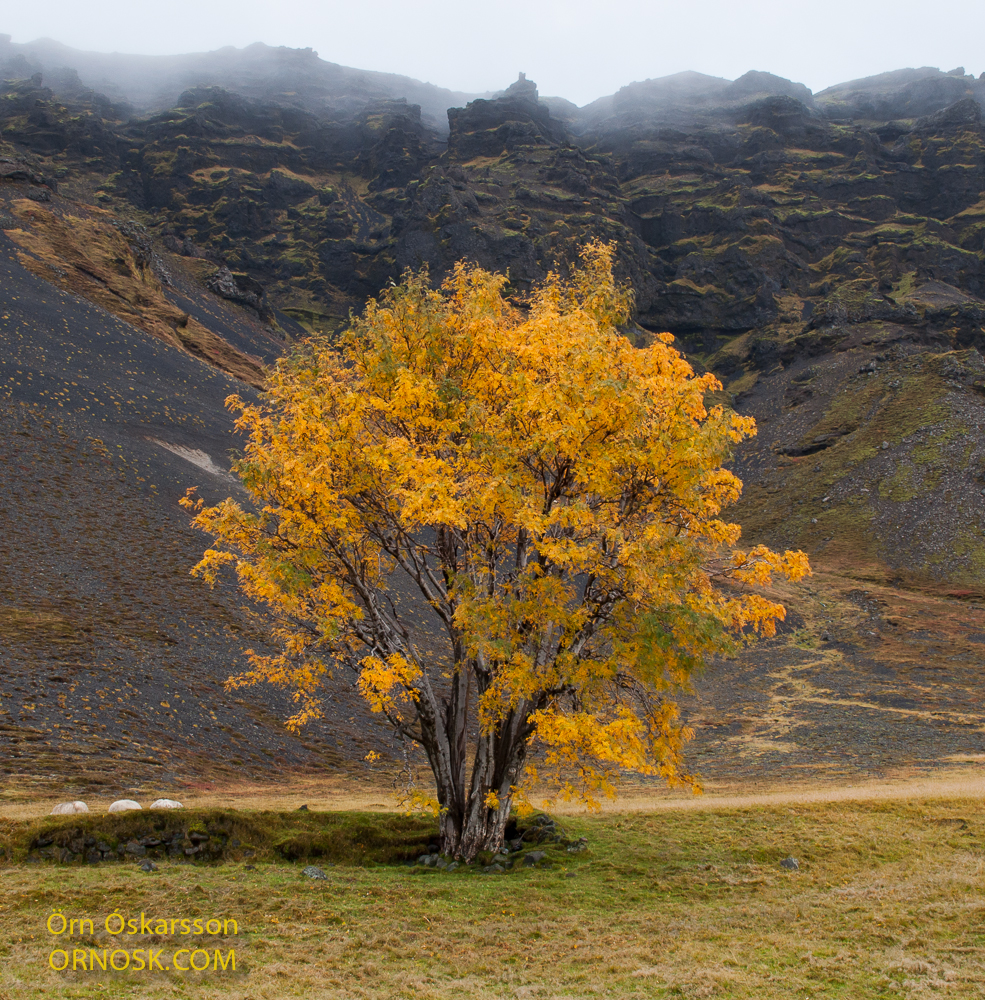
Last month the Icelandic Forestry Association announced Tree of the year 2015. This special tree is a rowan (Sorbus aucuparia) that was planted in 1923 in Sandfell in Öræfi, Southeast Iceland.

The Rowan is around 12 metres high

It is a special tree for many reasons. The weather conditions in Öræfi are not ideal. Here you get the strongest storms in Iceland. This rowan is very prominent in the scenery, it has seven thick trunks and it stands alone below the mountain Sandfell. The lady who planted the tree got it as a present from a friend.

In the settlement of Iceland around the year 900 the area around Sandfell was claimed by a woman.  She was a widow named Thorgerdur and the first woman to claim land as her own.

Veiðivötn – Fishing Lakes


Veiðivötn, Fishing Lakes, are a cluster lakes in the Southern Interior. The lakes are renowned for trout fishing. The area is worth visiting for its magnificent scenery and birdlife. Click to see the slideshow.

Fjallabak Nature Reserve

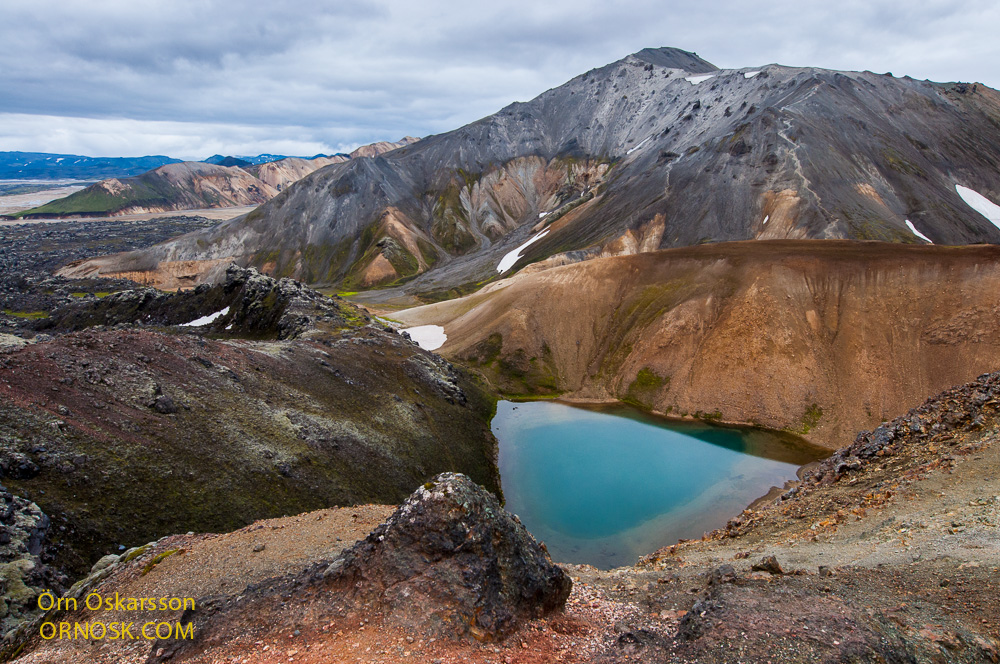
View from Brennisteinsalda to Bláhnjúkur

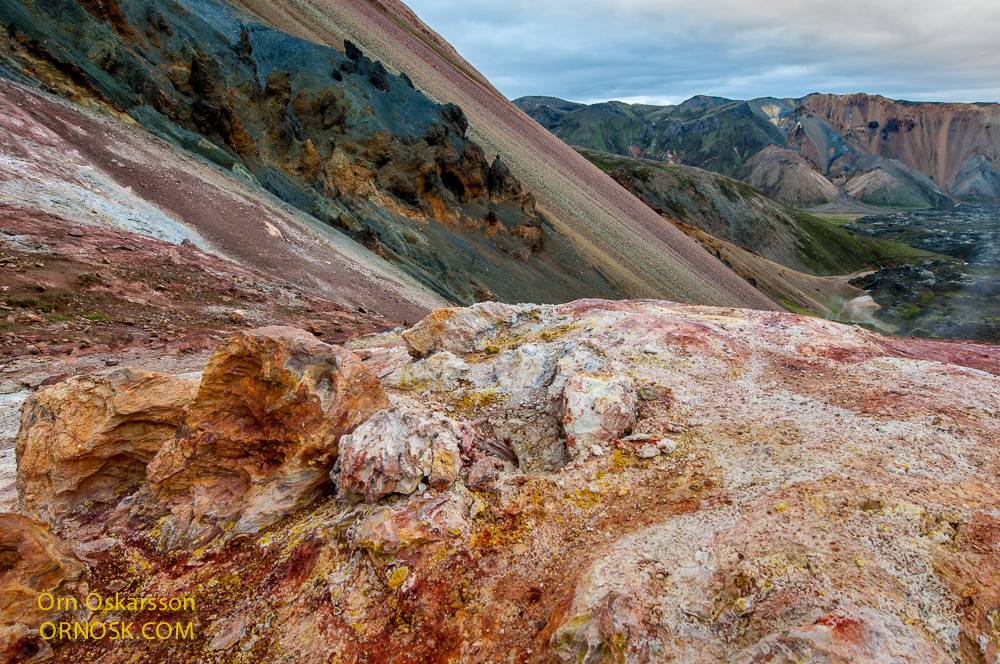
The scenery in the Icelandic highlands is magnificent in all its diversity and colours. Barren black desert sands and multicoloured mountains are a fascinating attraction. Fjallabak Nature Reserve is one of the places that many visit and not without reason. It is famous for its natural geothermal hot springs and colourful rhyolite mountains.

Landmannalaugar
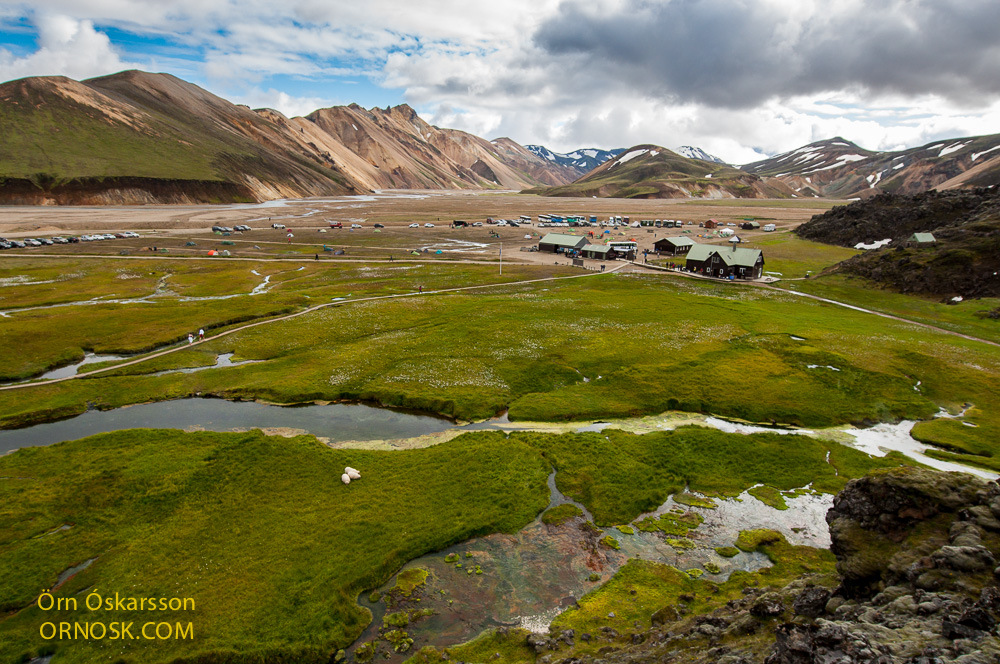
Landmannalaugar tourist center

Landamannalaugar is a very popular destination, at the beginning of the hiking trail Laugavegur. Lots of people come there and enjoy a bath in the hot springs.

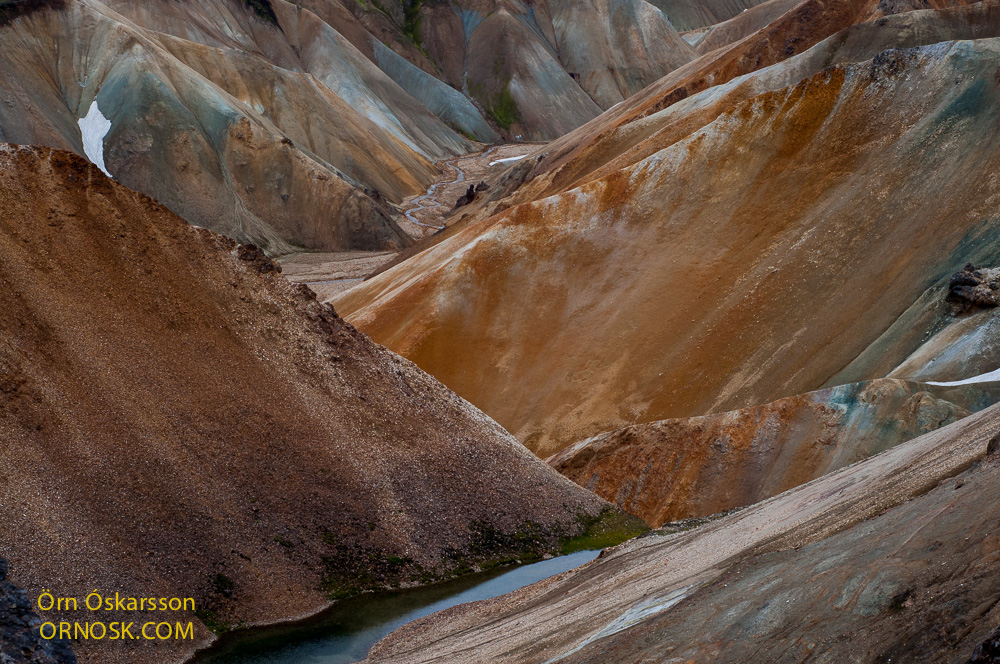
Colourful rhyolite landscape

The route to the area is rather rough and not recommended for small cars.

Geothermal heat and mineral deposits

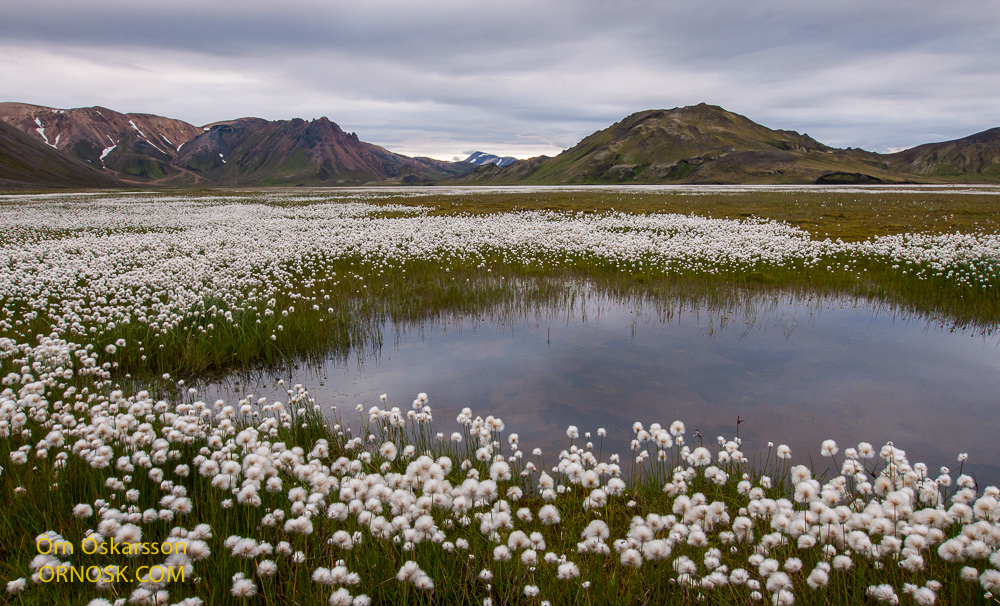
White cottongrass in abundance

White cottongrass, Kýlingar, near Landmannalaugar
White cottongrass (Eriophorum scheuchzeri), Kýlingar, near Landmannalaugar

From far off you can easily mistake white cottongrass (Eriophorum scheuchzeri) for snow. Its beautiful white fields are very prominent in the scenery. Here in Kýlingar, near Landamannalaugar in the Southern Interior, white cottongrass grows in the fertile soil from a former glacial river. 40 years ago there used to be a lake here that has been filling up with mud and clay from the river.  Now we have this beautiful wetland with shallow crystal clear creeks and cotton grass growing luxuriantly.

The bird life in the spring is probably an interesting sight but it is not an easy place to visit because the roads usually do not open until late June or beginning of July.

fifusund-2

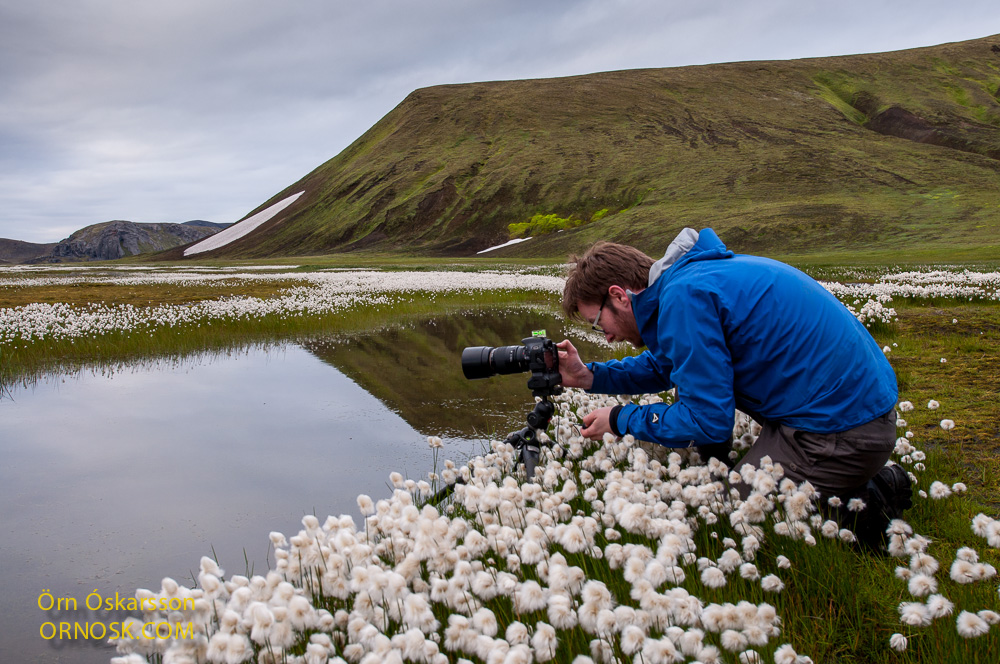
The Landmannalaugar area attracts a lot of tourists in the summer time. For photographers it is exceptional in its diversity and colours.  Here is Atli photographing, visit his Flickr page: https://www.flickr.com/photos/atlapix/

The call of the Diver (Loon)

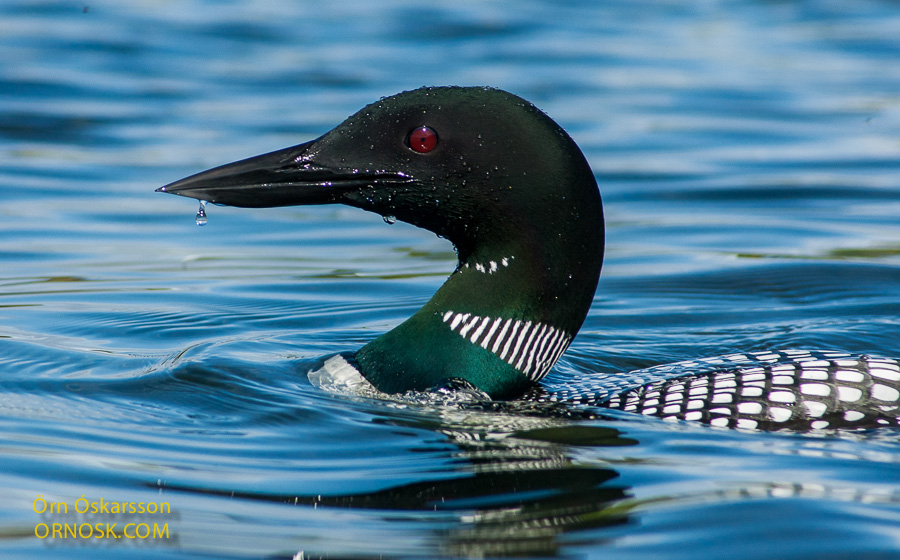
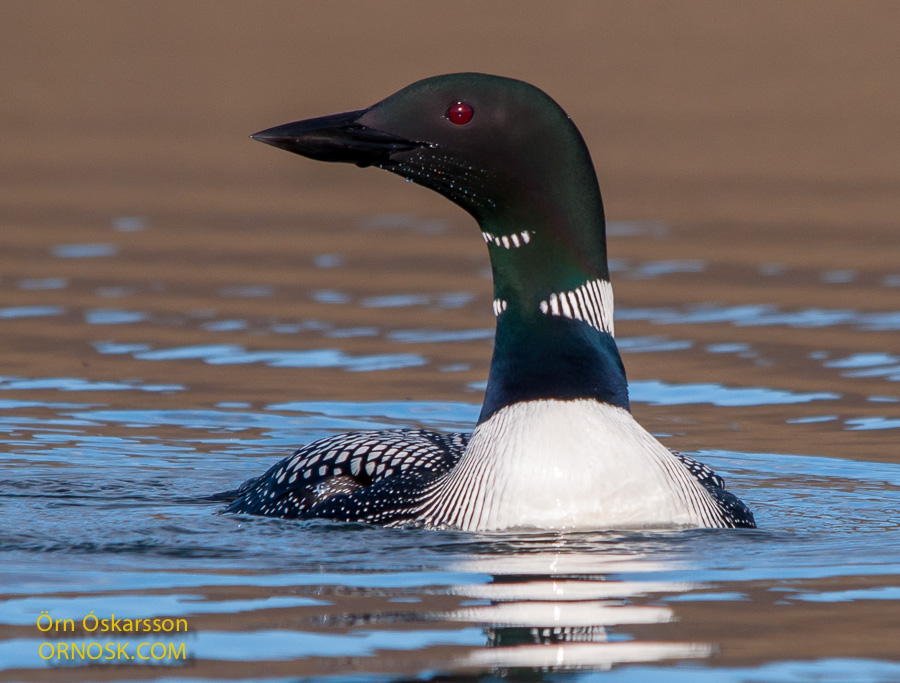
Himbrimi - Great Northern Diver - Gavia immer
Himbrimi – Great Northern Diver – Gavia immer

The wail of the Great Northern Diver (Common Loon) is very familiar and is used unsparingly in the film industry. It is one of the top ten sound effects we all recognise from movies.  Hear it here. Movies from all over the world seem to use its call. To the ear of the birder it sounds very silly, especially when it is used in places far from the Great Northern Diver’s habitat.