All posts by Örn Óskarsson

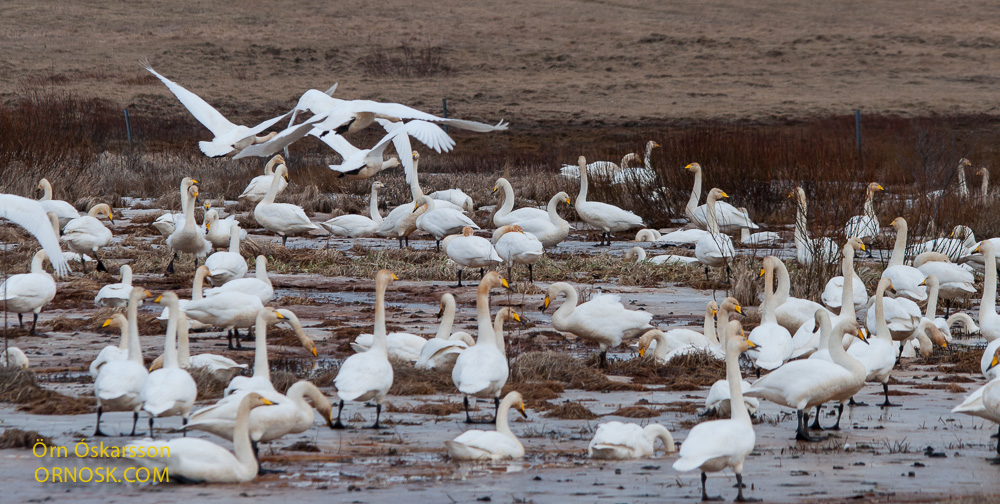
Whooper Swans arriving in flocks

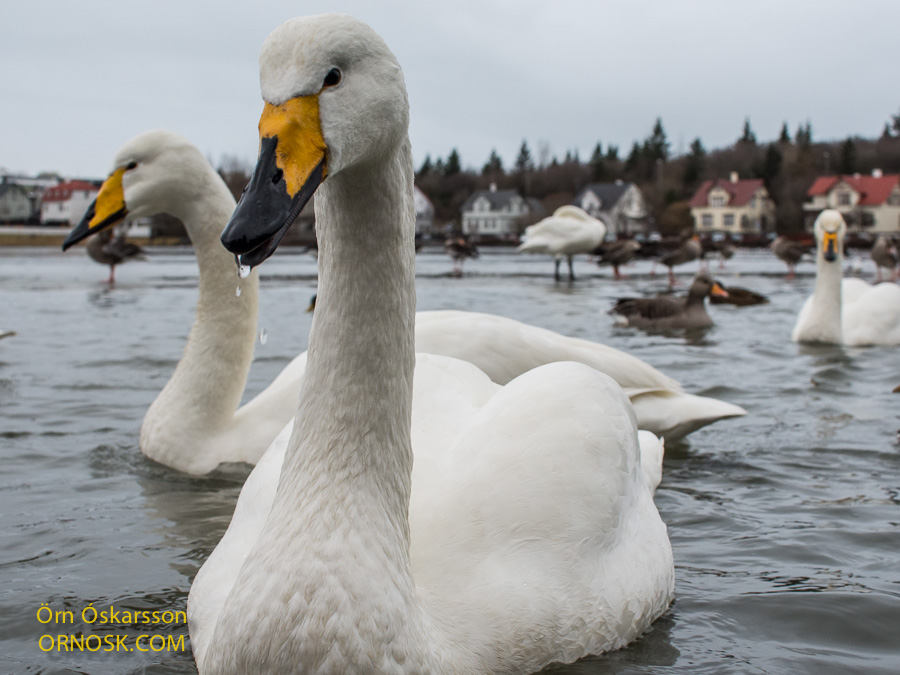
Álft – Whooper Swans – Cygnus cygnus

Last weekend flocks of Whooper Swans could be seen flying along the Southeast coast, having just arrived over the Atlantic Ocean. Most Whooper Swans migrate to the British Isles in the autumn and come back in the spring.
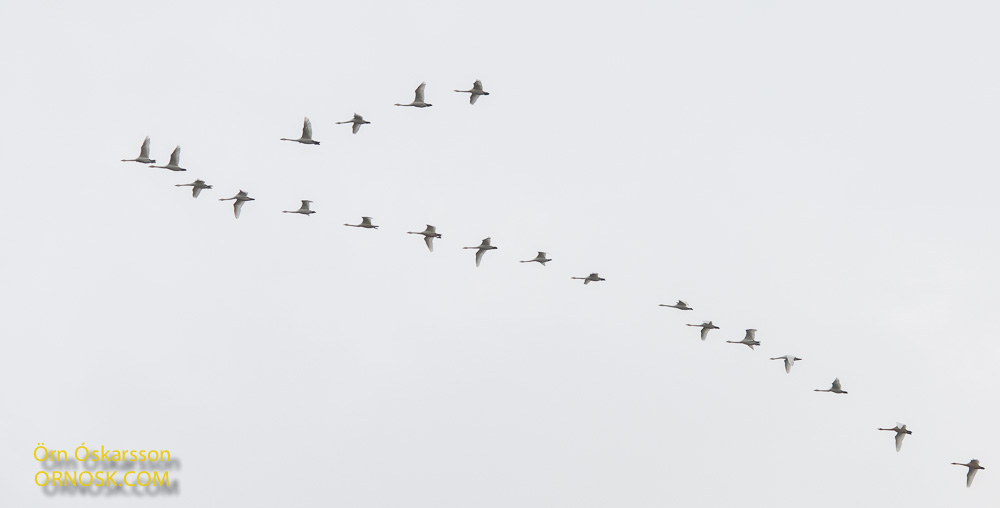
Whooper Swans are very common in Iceland and can be seen all over the country.  Pairs stay together for life and  are true their old breeding places which they return to year after year. The chicks stay with the parents until it comes to the nest making when they chase their chicks from last year away. If the Whooper Swan is disturbed or feels threatened the pair may abandon the nest and eggs.
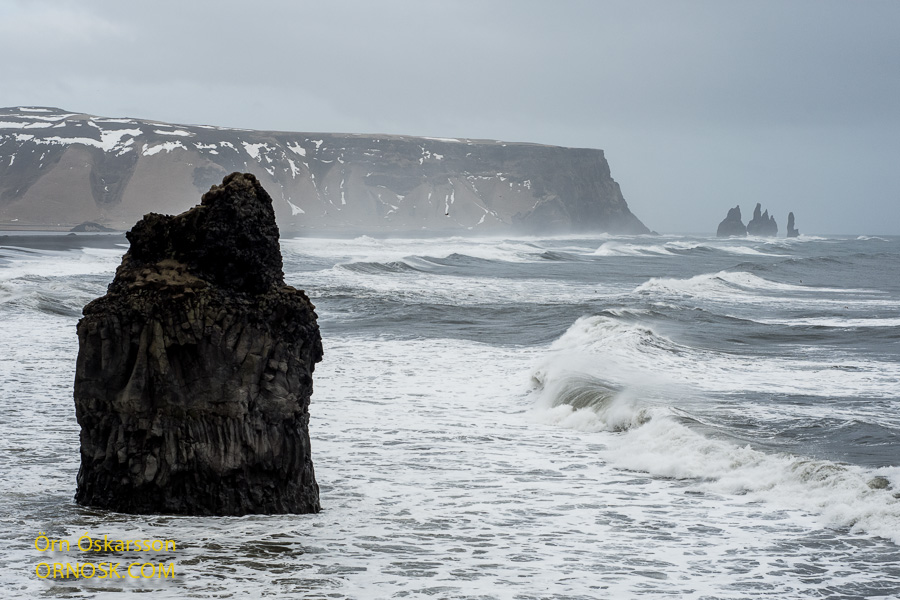
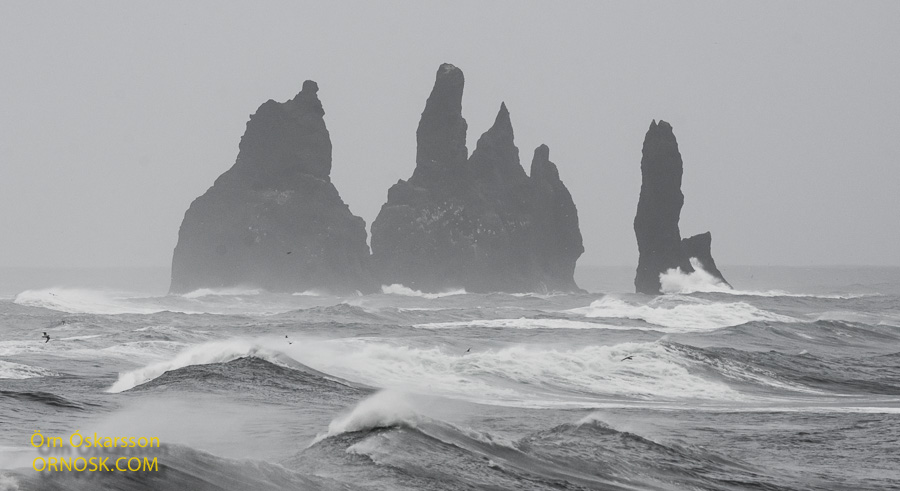
Dangerous waves

Dyrhólaey and Reynisfjara are among the most popular scenic attractions in Iceland and not without reason. A lot of tourists come there every day and last Saturday when we were there was no exception. It was windy and the waves were nothing to play with.

Several fatal accidents have occurred on the shore in recent years and despite warning signs tourists keep risking their lives running after the waves or trying to catch a good photo. There is no denying that it is a mesmerising place and probably the coolest beach in Iceland.

One of the first migrants

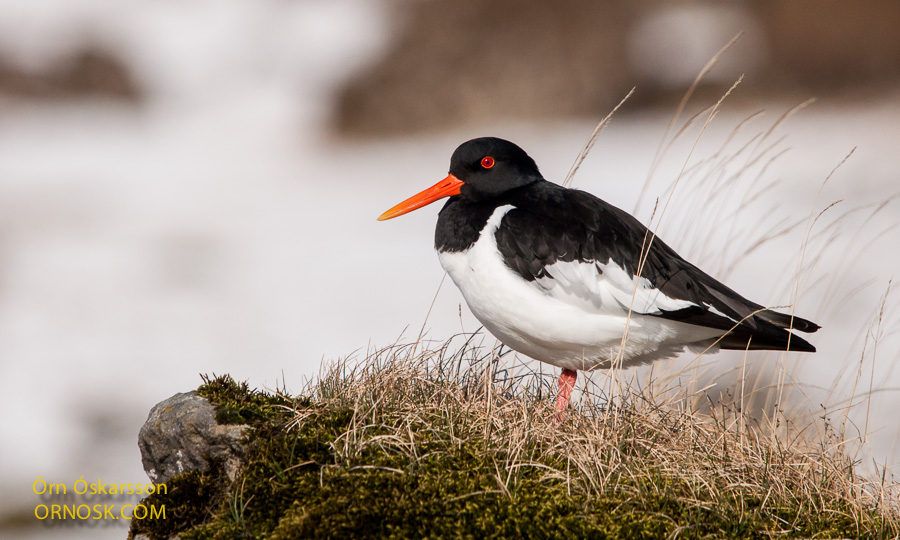
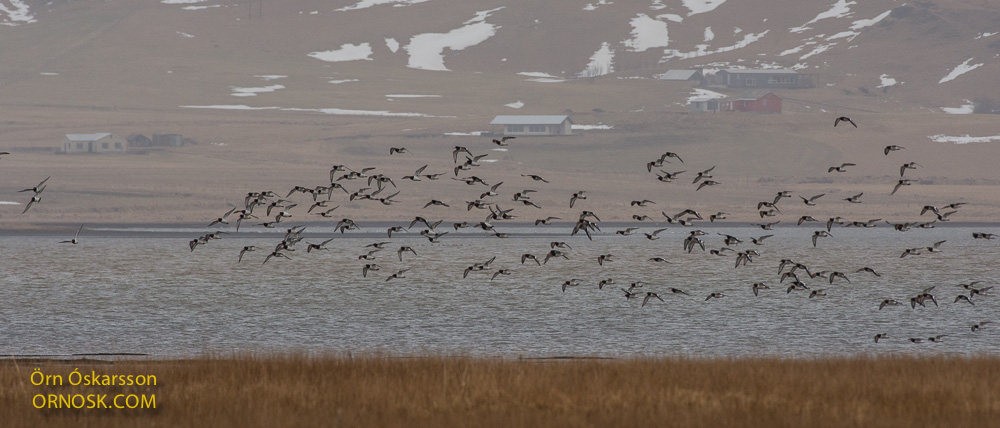
Tjaldur – Oystercatcher – Haematopus ostralegus

The Oystercatcher has arrived. On our trip along the south coast to the east last Saturday we saw several huge flocks that had just arrived. With their bright orange beaks and feet they are such a beautiful sight. The Oystercatcher usually arrives in the middle of March making it one of the first migrants to great us and signal the coming of a new season.

The Oystercatcher is mostly a migrant in Iceland and quite common in lowlands. Most go to the British Isles in the autumn and come back in March to April.

Crossbills and pine cones

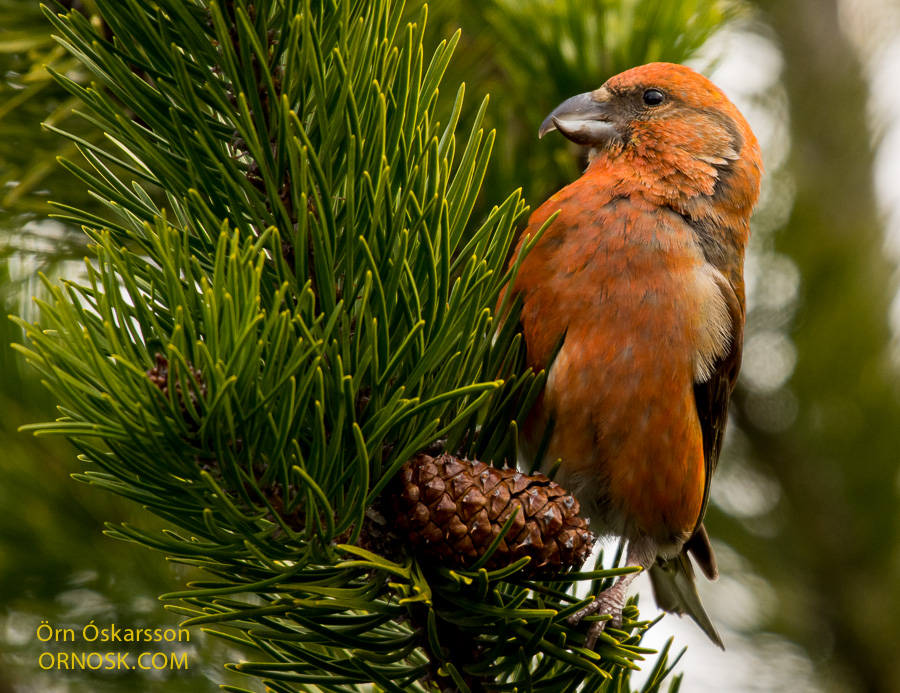
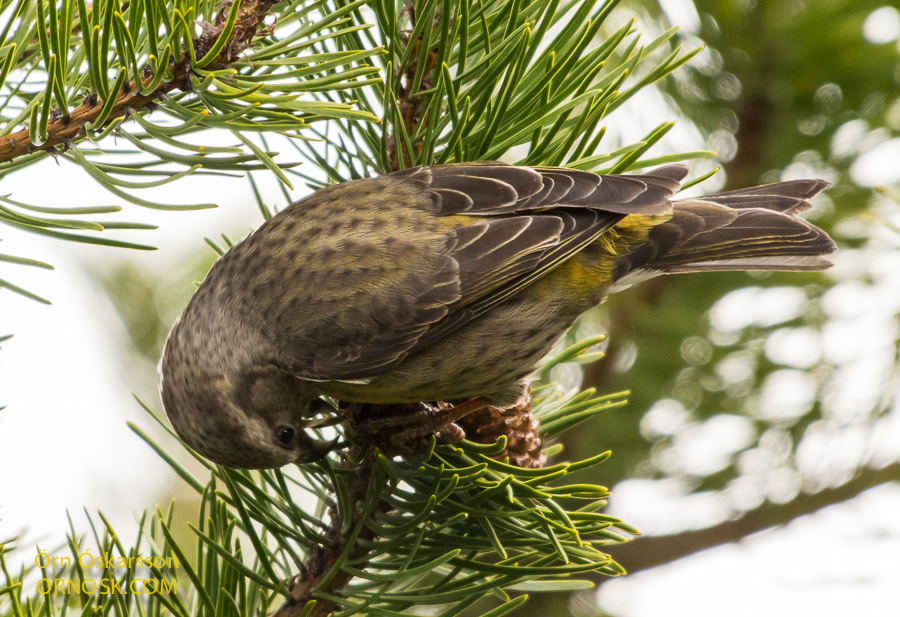
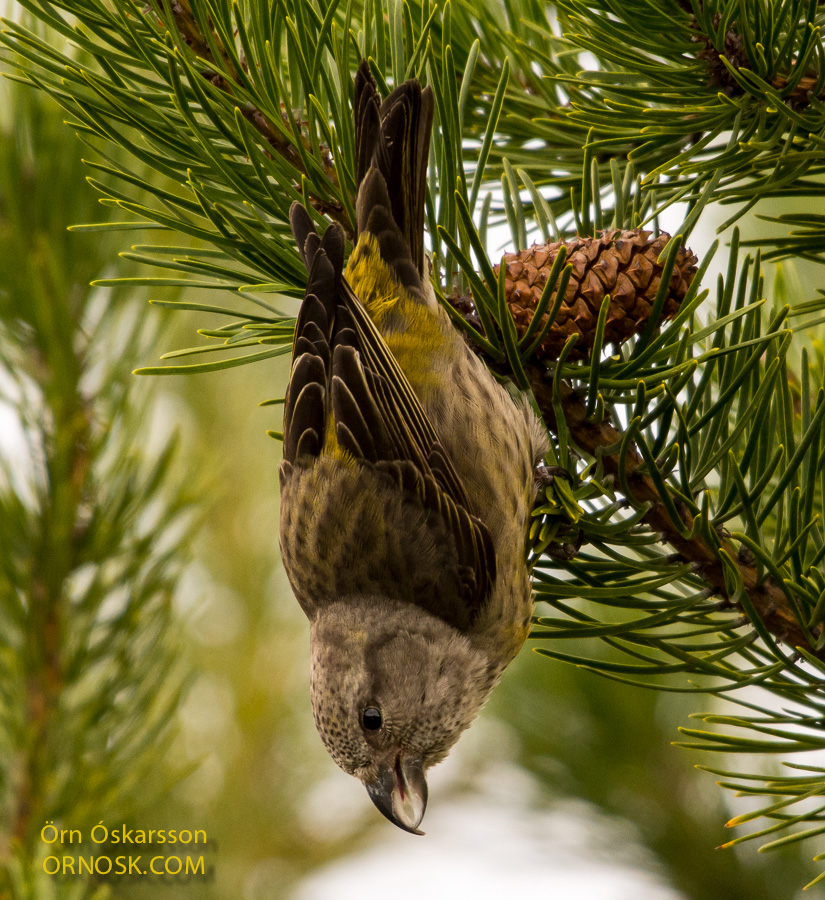
Krossnefur – Common Crossbill – Loxia curvirostra

In Grímsnes, South Iceland, the Crossbills are busy eating seed from the cones of the Pinus contorta tree. Although the cones have not yet opened properly they manage to get to the seeds. They use their distinctively shaped beak, which they get their name from, to open the cones and with their tongue they fish the seed or nut out.

The Contorta pine goes under several names such as Lodgepole pine, Shore pine and also Twisted pine. The Common Crossbill usually prefers seed from spruce cones but in South Iceland there are more pines than spruces so pine seeds are their main food source, at least in the spring.

Lonely Snow Bunting

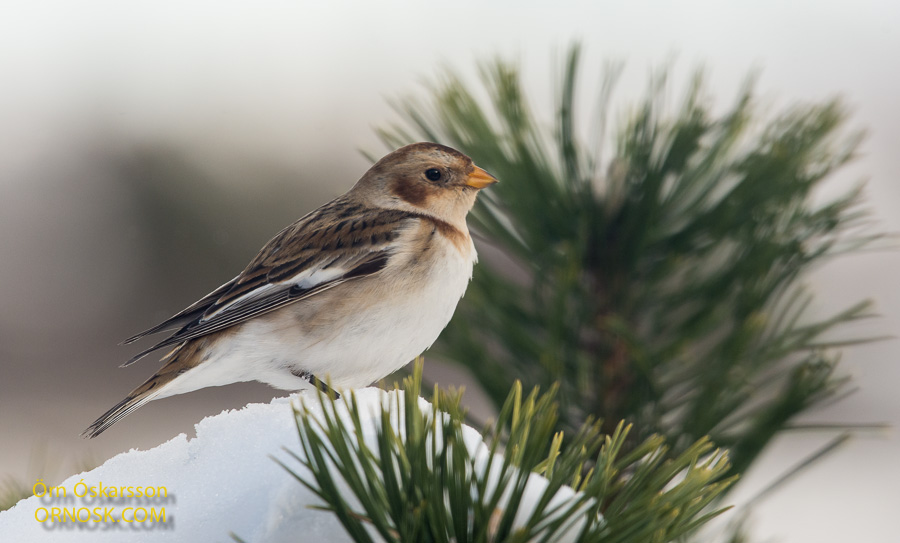
Snjótittlingur – Snow Bunting – Plectrophenax nivalis

On one of the few cold days this winter, that was about two weeks ago,  a lone Snow Bunting visited the garden. The first day it seemed a bit dazed and tired. We even thought it was seeking refuge here to die. But after a day or two it was up to par and stayed here alone for a week, enjoying the food we put out for it. Flocks of Snow Buntings have flown over but this is the only one in the garden this winter.

Reykjavik Pond – Reykjavíkurtjörn

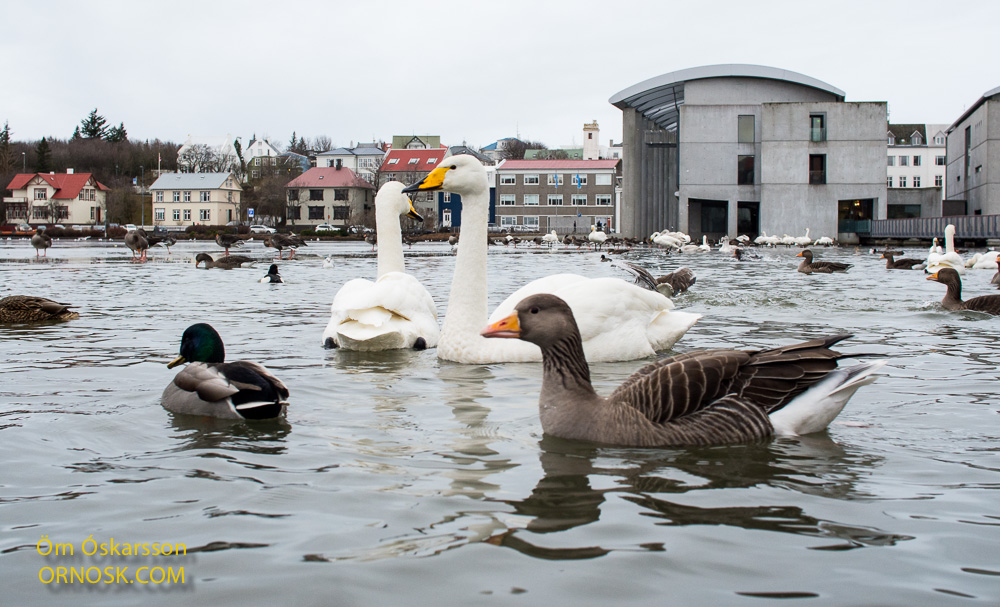
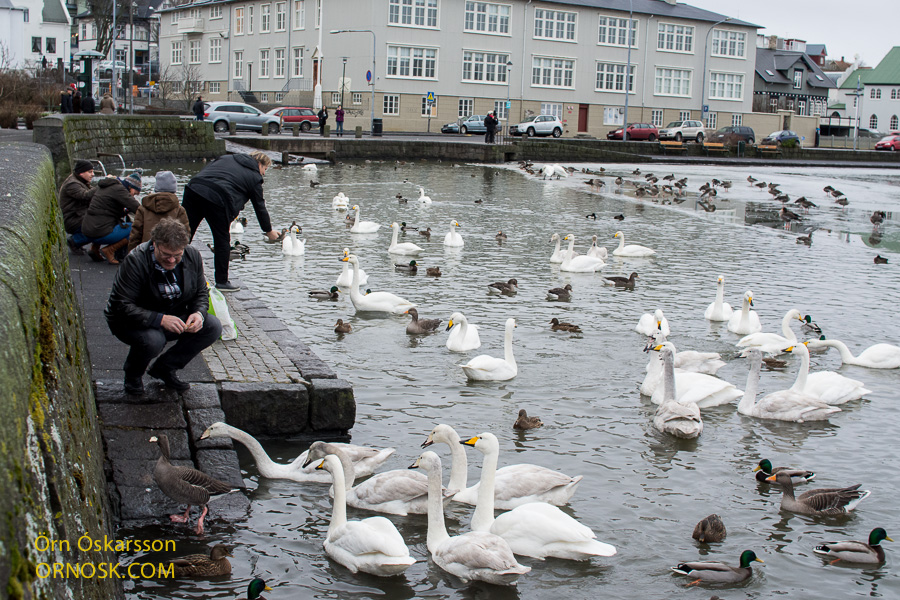
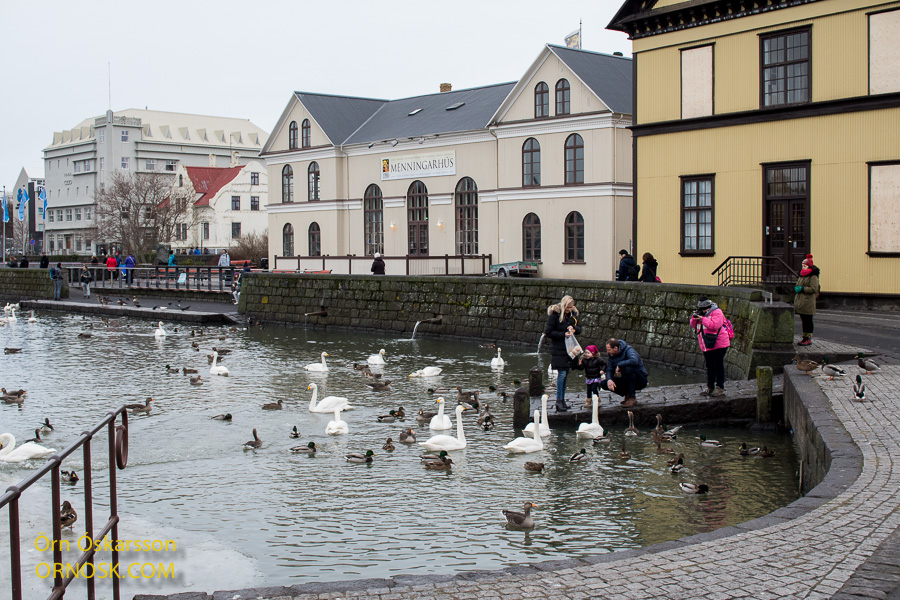
In the heart of downtown Reykjavík is Tjörnin, or the pond, with its ducks, geese and swans. On weekends it used to be a pastime to take the kids there to feed the birds leftover bread. This is alright in the winter time but people are now being asked to keep this under control especially in warmer weather when there is enough feed.

Going skating on the Pond was quite popular when we were young but today this is not so common with global warming and everything.

Despite this it is always interesting to watch the birds on the Pond whatever the season.

Wintering Snipes

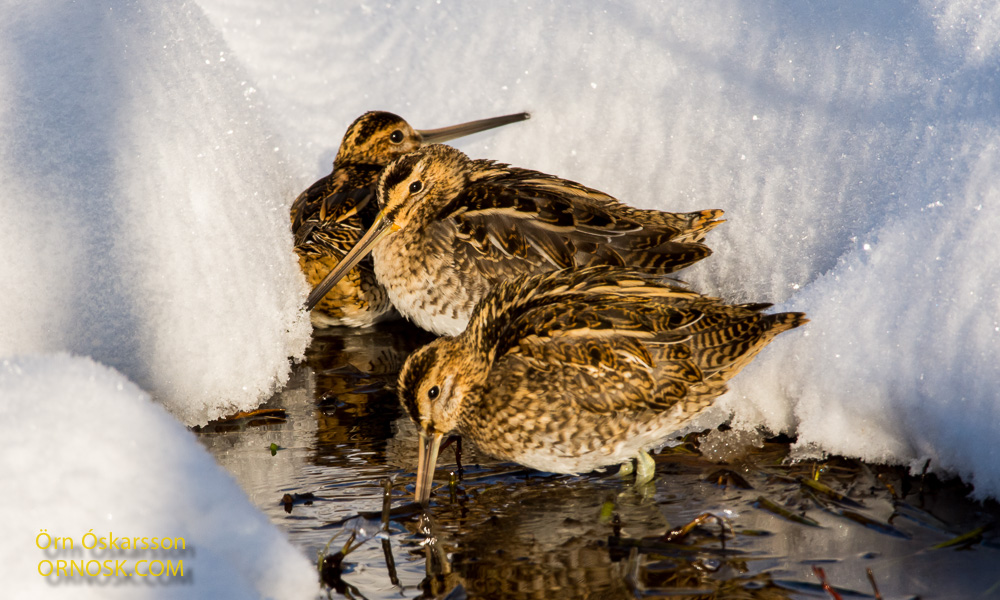
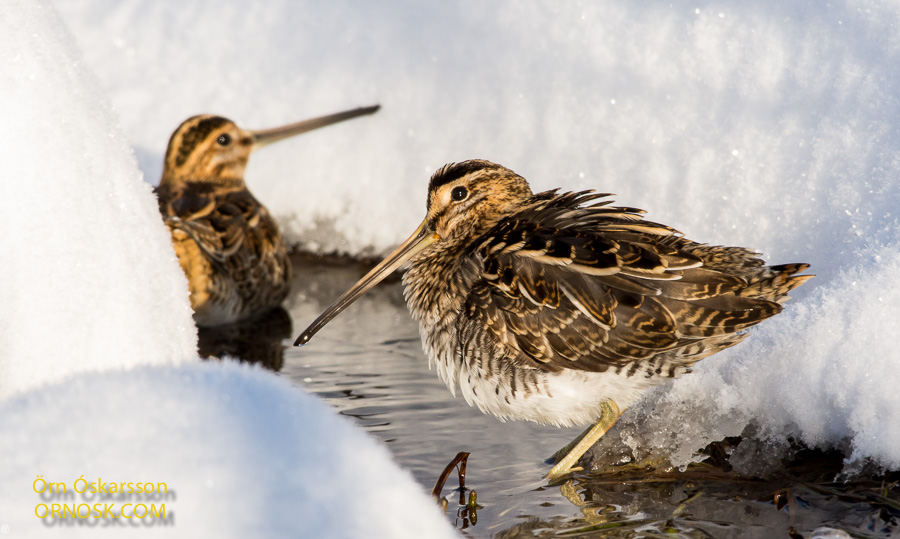
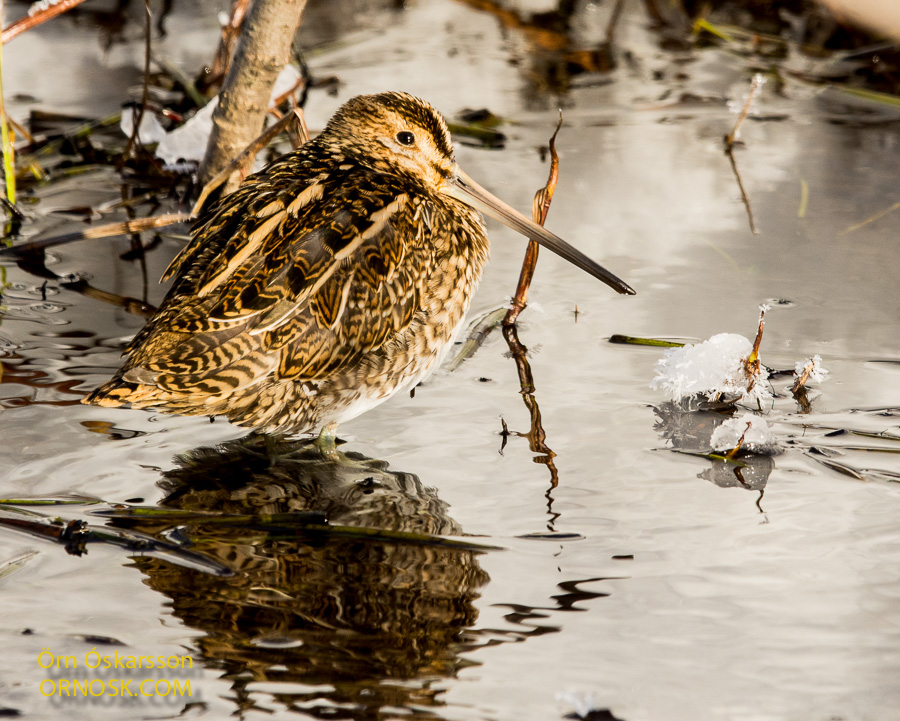
Hrossagaukur – Snipe – Gallinago gallinago

These three Snipes were huddled together in a small spring water creek near Ellidavatn, outside Reykjavik, after last weekend´s massive snowfall.

The Snipe is a common breeding bird in Iceland and most migrate to West Europe in the winter time. Some decide to stay for the winter, keeping to warm creeks and spring water that does not freeze. That is the place where they are sure to find food even in the harshest of weathers.

Black and white

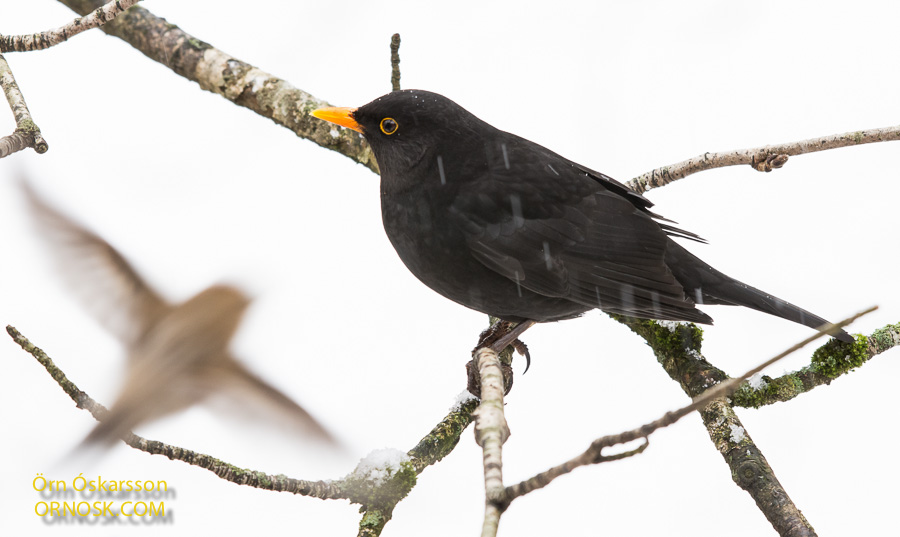
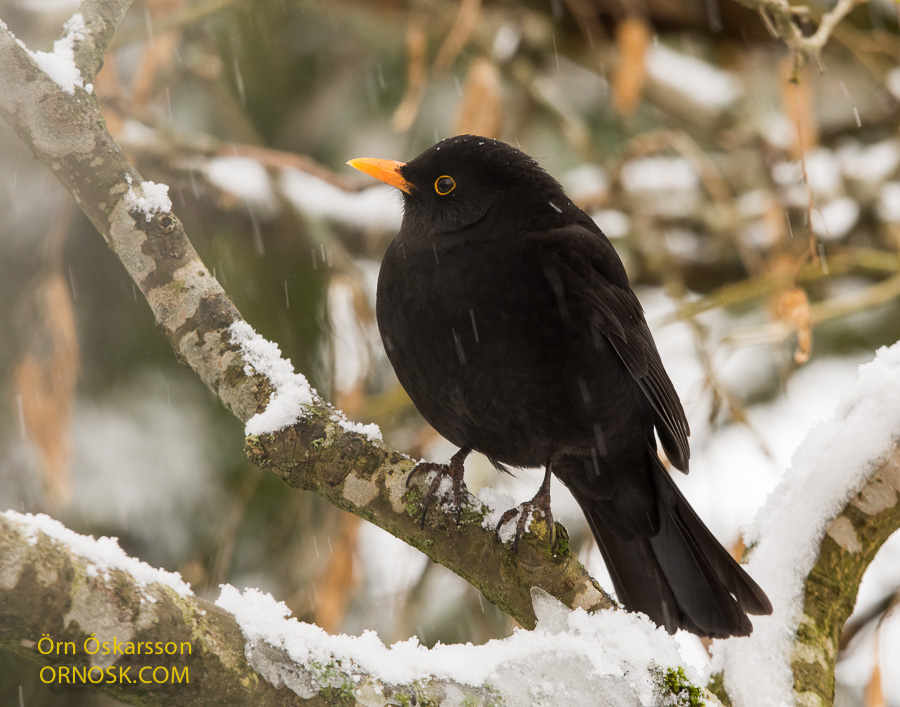
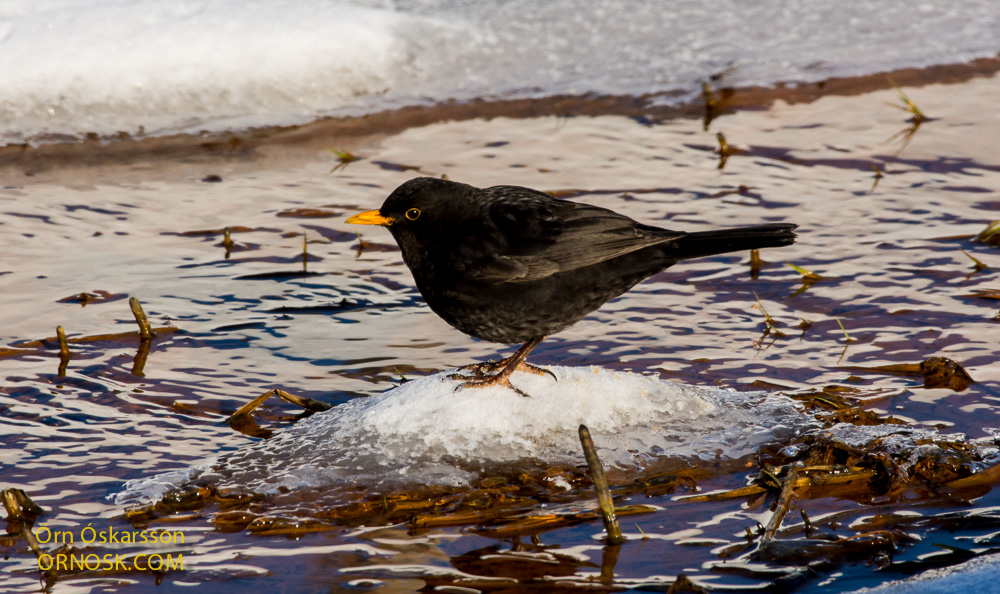
Svartþröstur – Blackbird – Turdus merula

Blackbirds have thrived in Iceland this winter. They are newcomers and the mild weather has been exceptionally favourable for them. However, this past week has been quite different. Up until now they have been able to pick earthworms and larva from the frost free ground. Now there is a lot of snow and a full blast winter has arrived.

We thought we would have a very mild, almost snowless winter and the Blackbirds had already started singing. By mid February the group that was here earlier had already gone,  leaving only one pair that had claimed our garden as its territory.  Now the group is here again searching for food which of course we are sure to have enough of.

There is no indication that the weather will change soon so we continue to feed the birds and enjoy the Blackbirds that look so picturesque in the snow.

Little Grebe still on River Sog

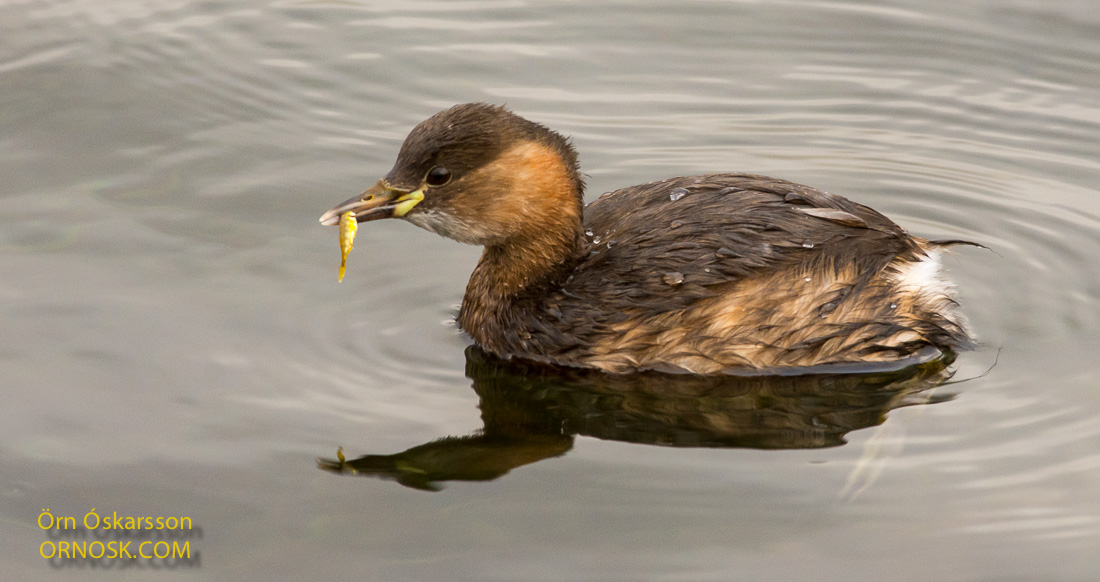
Dverggoði – Little Grebe – Tachybaptus ruficollis

The Little Grebe is still on River Sog, on the reservoir between Ljósafoss power station and Írafoss power station. While I was checking up on it in the afternoon,  it ate one stickleback after another. No worries that the poor little vagrant doesn’t get enough food in Iceland.