All posts by Kristin

Birding friends

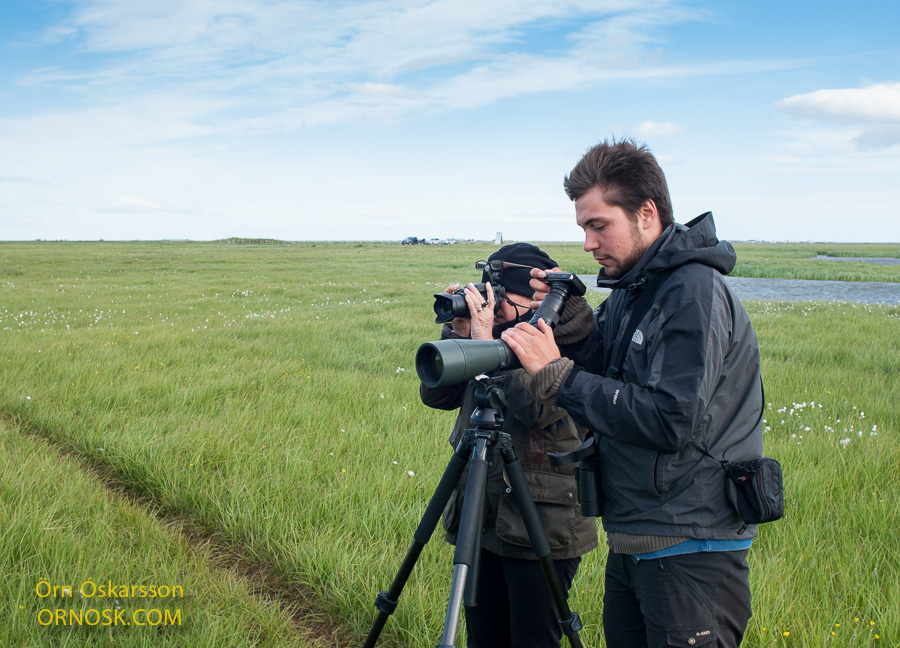
In the bird reserve in Flói

On our birding trips we often meet like-minded people. Last year we met a group of Belgian students on a birding trip in Iceland. This was in February and the weather was quite cold. The group were searching for a Hooded Merganser on Elliðavatn, a lake just outside Reykjavik.
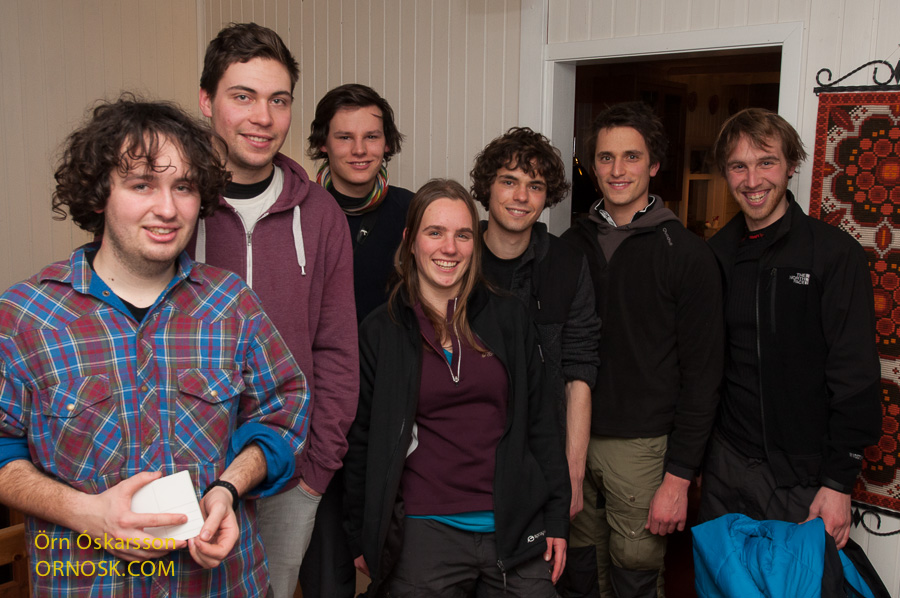
The Belgian students in February 2014

When we found out that they were sleeping in tents we invited them to come and stay inside the next night. No Icelanders would ever think of camping in February. The group took our offer and we cooked them some traditional Icelandic lamb soup.
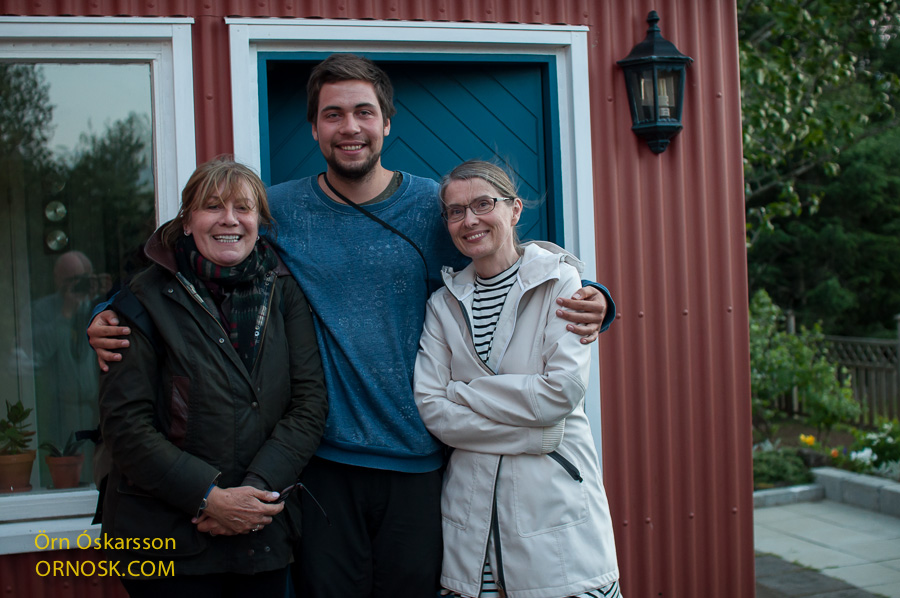
Denise, Joachim and Kristin

One of these young birding friends was back in Iceland again last week. Joachim Bertrands from Belgium and his mother, Denise, had a week here to look at birds, whales and glaciers. The bird reserve in Flói was visited on their last day and then they came for a visit. Meeting birders from other countries is always interesting.
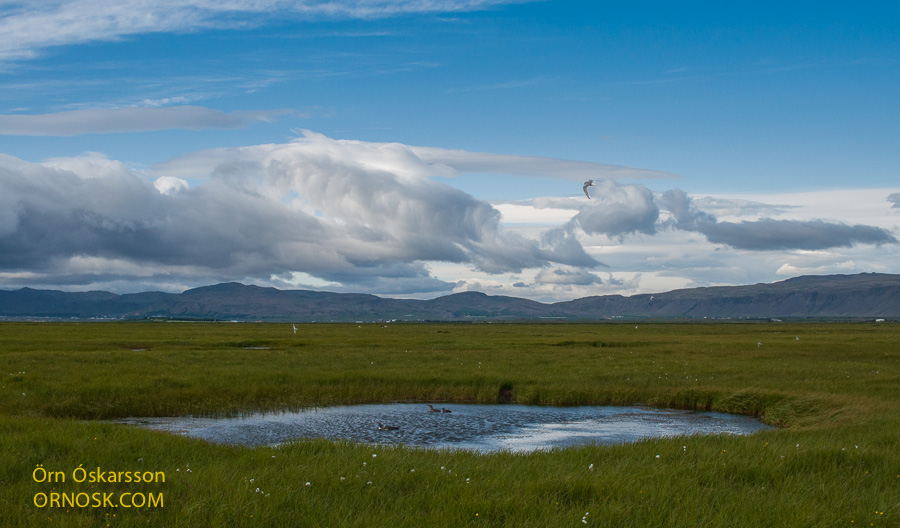
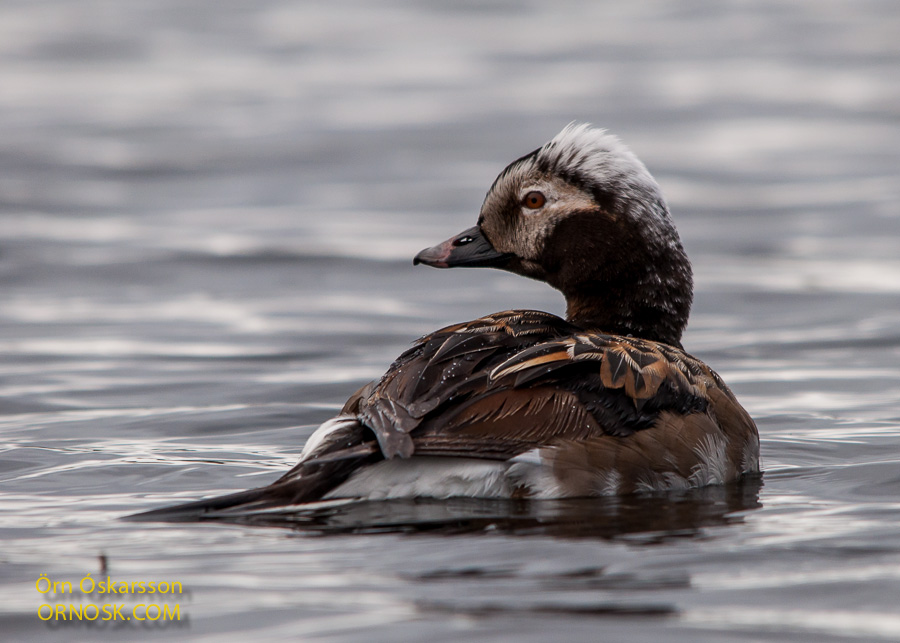
The Bird Reserve in Flói

Colourful Crossbills

Common Crossbills (also called Red Crossbills) are new breeding birds in Iceland.  New spruce and pine forests are growing fast in many places and are now big enough to be a habitat for some new settlers like the Crossbills. The Crossbills have various colours.

Not easy to spot

havella
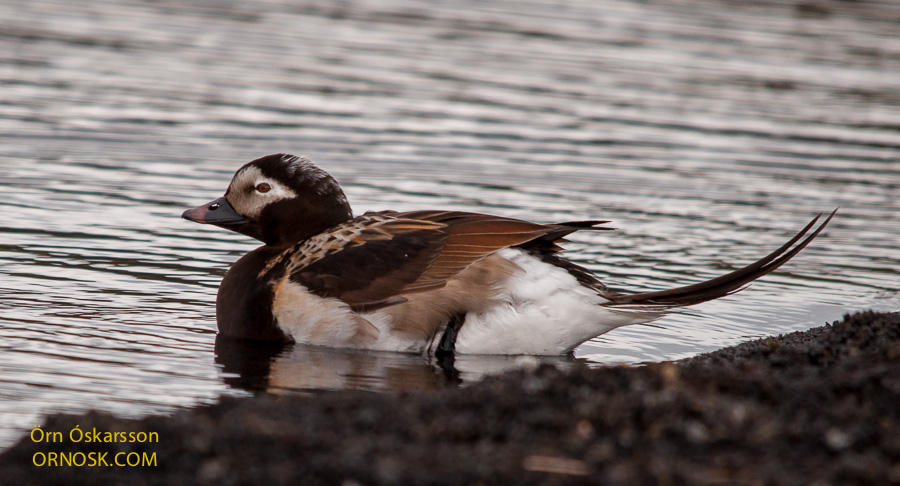
Hávella – Long-Tailed Duck – Clangula hyemalis  (male)

The Long-tailed Duck is a common breeding bird by lakes and ponds in the interior. The breeding time is in July.

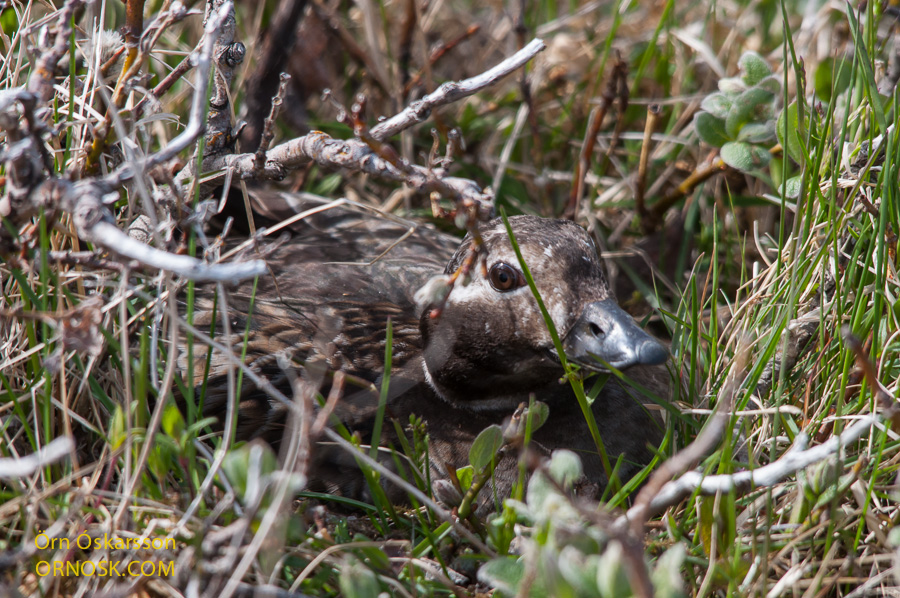
The female is almost completely camouflaged on the nest

The female is well hidden on the nest while the male keeps watch not so far away. The nest is very difficult to spot because it matches the surroundings and the female stays perfectly calm. So pay attention to where you walk, tread lightly and carefully.

Keeping watch
The male keeping watch

Long distance migrant

Dunlins (Calidris alpina) are migratory birds that usually arrive in Iceland in May. They are long distance migrants that breed in Arctic regions. The European population’s winter grounds are in Africa, Southeast Asia  and the Middle East. Birds that breed in Arctic areas in Canada and Alaska only migrate  to the Atlantic and Pacific coasts of North America. Some Dunlins overwinter on the south coast of Spain and Portugal.

loutraell-6
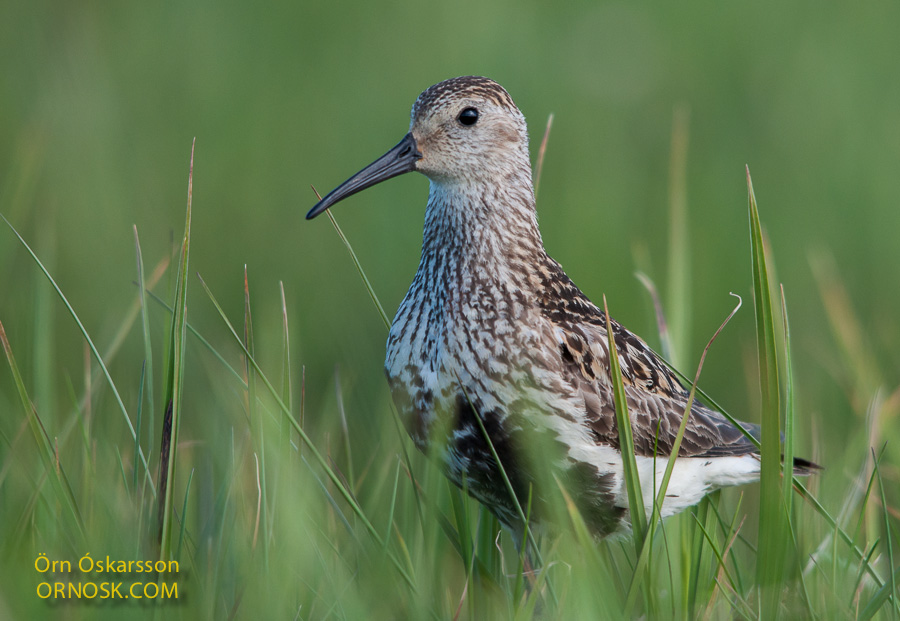
Lóuþræll – Dunlin – Calidris alpina

A lot of Dunlins breed in marshlands in South Iceland. This one was in The Bird Reserve in Flói, South Iceland. The Icelandic breeding population is estimated around 270,000 birds.

Love birds

mourning

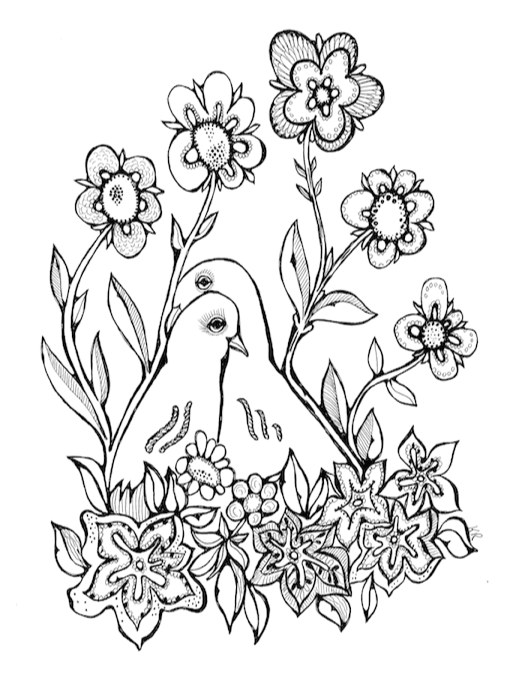
We enjoy watching out for the birds in our garden and feeding them. Spring and summer are something we look forward to – the time when everything comes alive and the birds start courting and nest making. But summer time is not all blizz. Almost everyday newly hatched chicks fall prey to overfed house cats. This sketch is an interpretation of a pair mourning the loss of a young one.

Colorful Teal

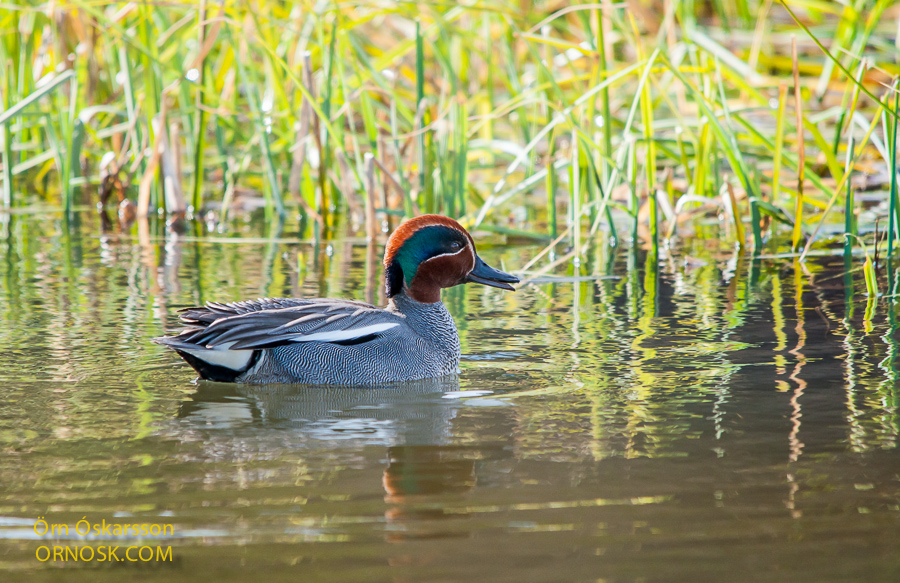
Urtönd - Teal - Anas crecca
Urtönd – Teal – Anas crecca / Þingvellir, South Iceland

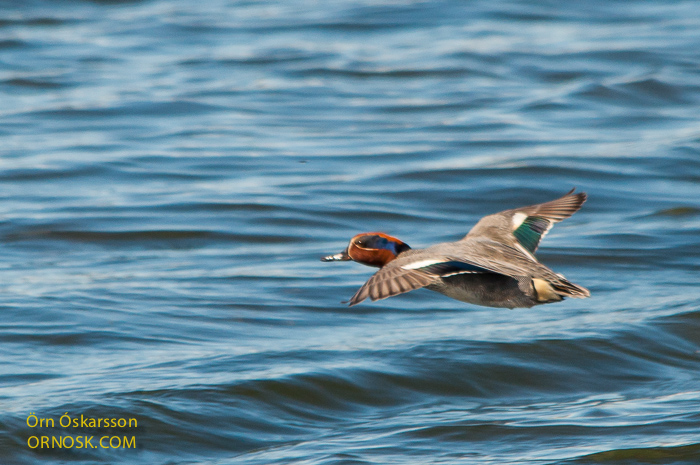
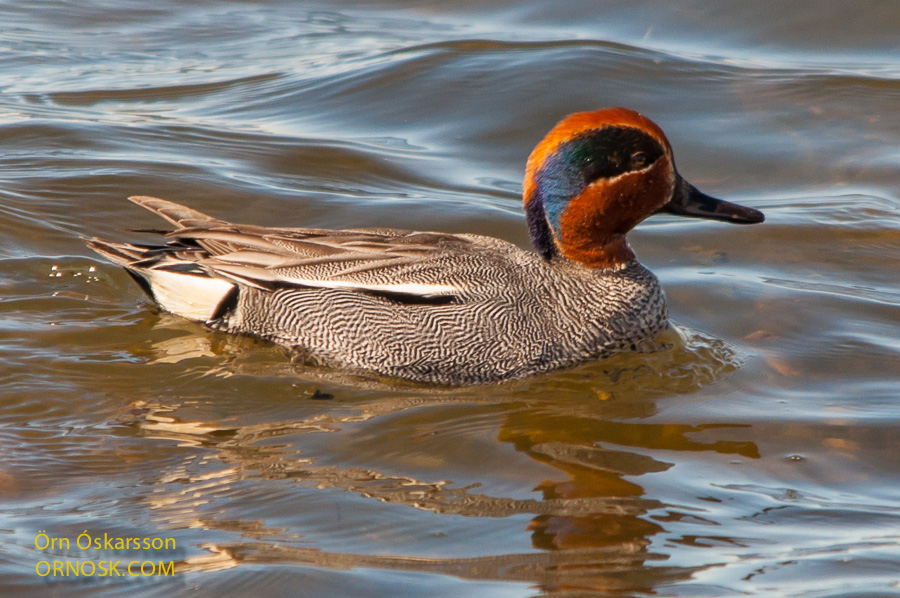
The smallest Icelandic duck is the Teal  (Anas crecca). It is also one of the most colorful ducks, as well as perhaps the most beautiful.

urtond-8
Lake Mývatn, North Iceland

It can be seen all over Iceland, both in lowlands and highlands. It is, however, usually not easy to get close to it as it is shy and easily disturbed.

urtond-7

The vigilant Merlin

Smyrill - Merlin - Falco columbarius (male)
Smyrill – Merlin – Falco columbarius (male)

We spotted a pair of Merlins by Goðafoss. They were fighting with a Raven that was trying to get to their nest. This is the male but the female had gone back to the nest. Ravens are scavengers that do not hesitate to steal eggs from other birds’ nests if they get the chance . It did not succeed here and was forcefully driven away.

Showing off

florgodi-4
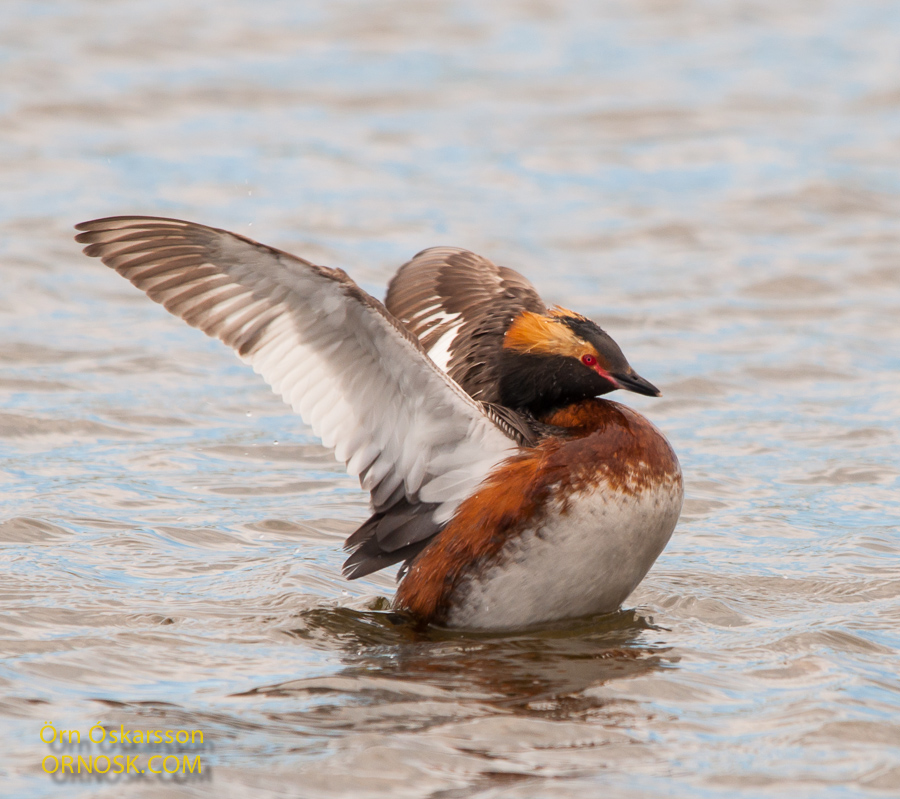
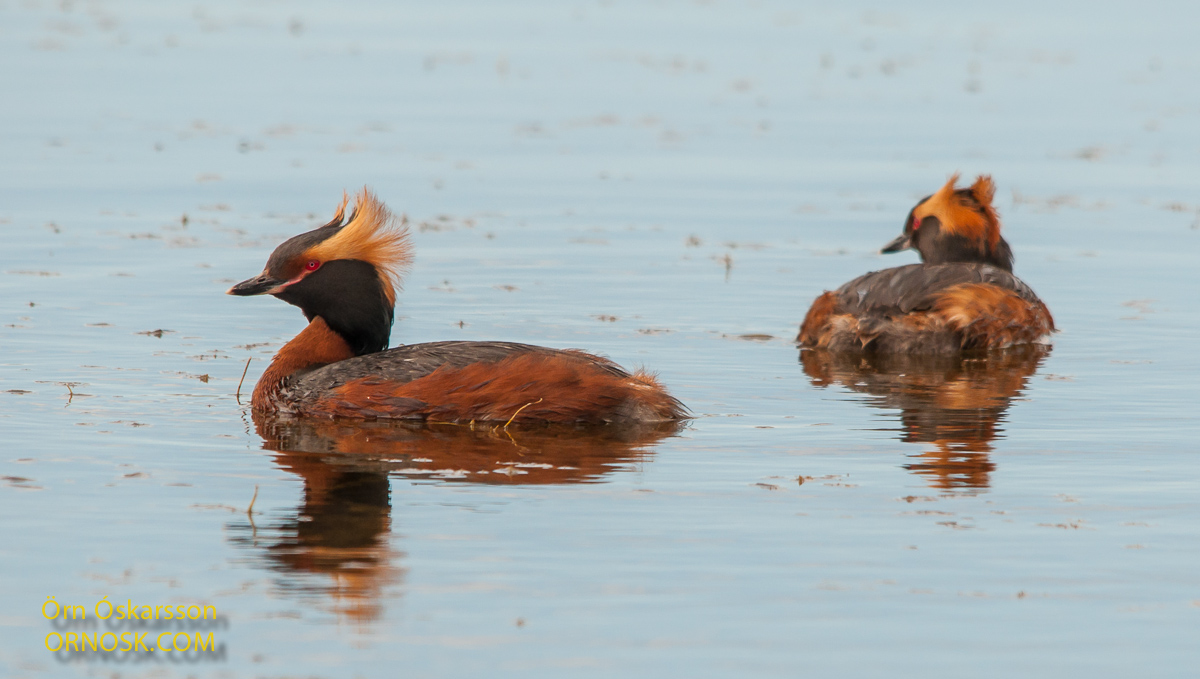
Flórgoði – Slovonian Grebe – Podiceps auritus

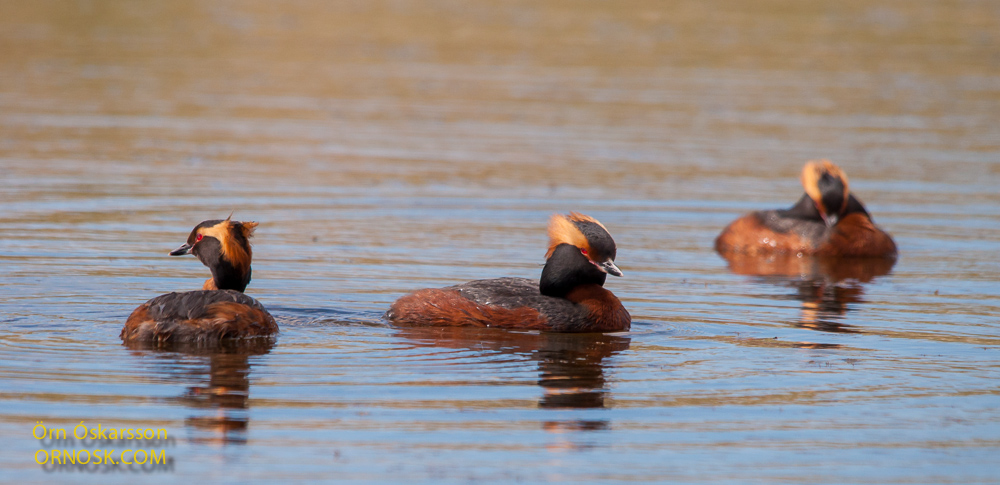
Now in the beginning June the Slovonian Grebe shows off its beauty to attract the female. The Grebes are preparing for breeding but have not started the nest making  yet.

florgodi-9

The photos are taken by Vífilsstaðavatn, Garðabær, near Reykjavík.

florgodi-3

Redpolls in various colors and shades