Category Archives: Birds
At large in the twilight
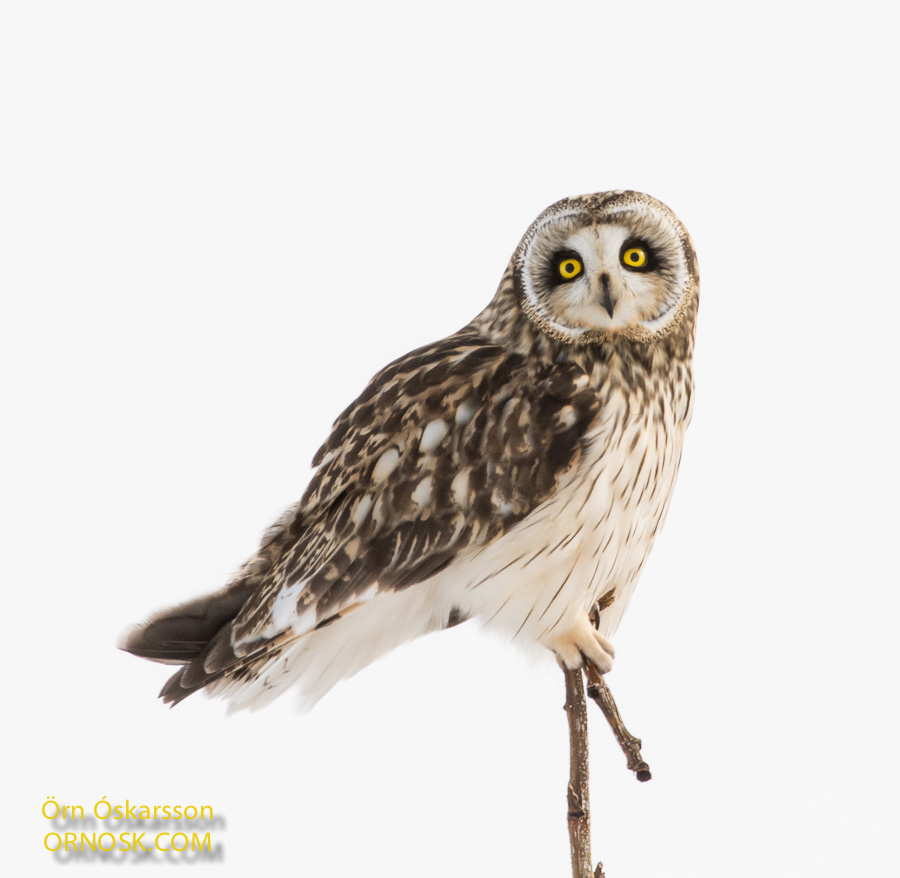
The Short-Eared Owl (Asio flammeus) is the most common Owl in Iceland. Her niece the Long-Eared Owl (Asio otus) is quite scarce here and there are only a few Snowy Owls (Bubo scandiacus).
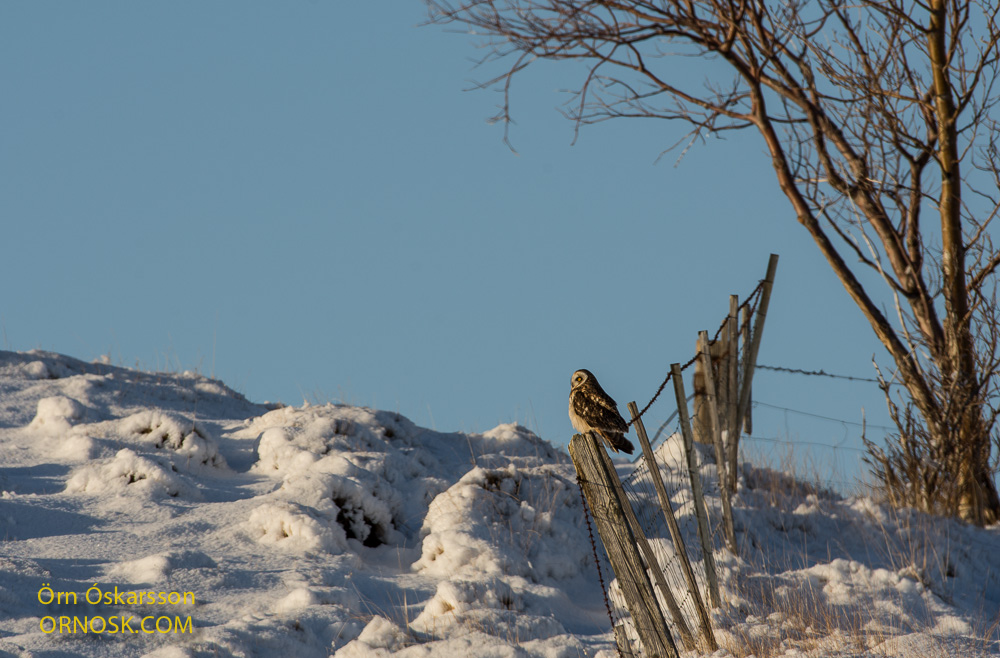
The Short-Eared Owl is most commonly at large in the twilight looking for mice which are her favourite food. In March the Short-Eared Owls are more likely to be seen in the daytime when they start claiming territory. Then they may be seen on fence poles and in tree tops.
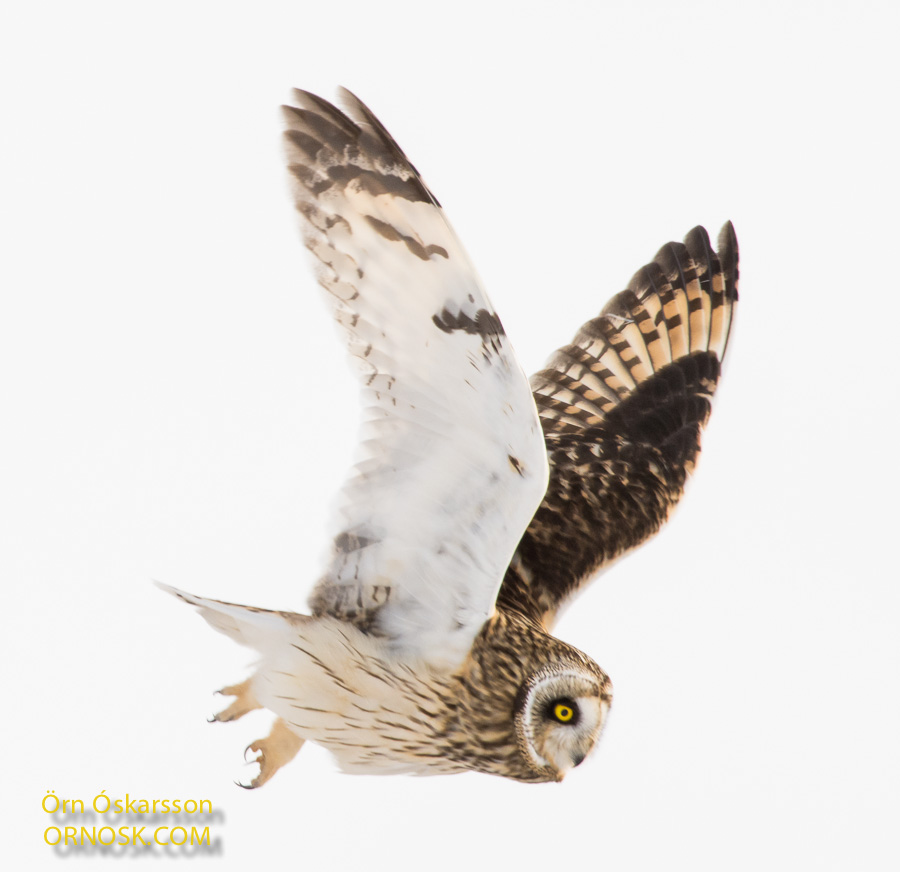
Driving inland in southern Iceland last weekend we saw two Long-Eared Owls. It is always interesting to see owls and being able to photograph them makes it even more enjoyable.
Sleeping sites
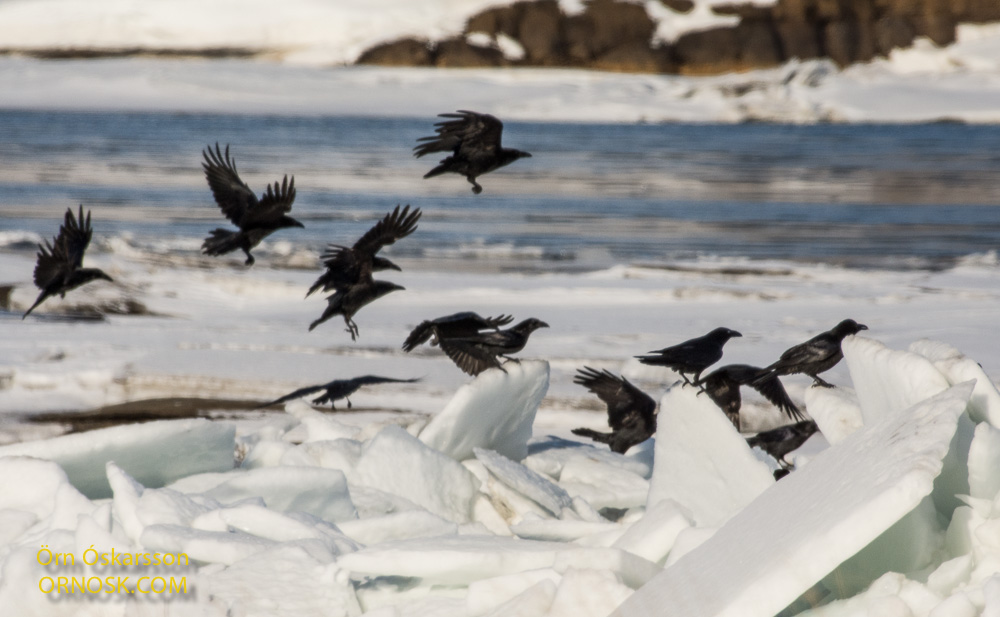
There are a lot of Ravens in Iceland. They breed in rocks and cliffs but also in buildings and even telephone poles and sometimes trees. Most of the time, except during the breeding season, they roam the country side, visiting shores and urban areas in search of food. In evenings they gather in cliffs where they can rest and sleep.
One of these sleeping places is in Mount Ingólfsfjall not far from Selfoss. When counted in January and February, as they were coming into their sleeping area, the number of Ravens was around 450.
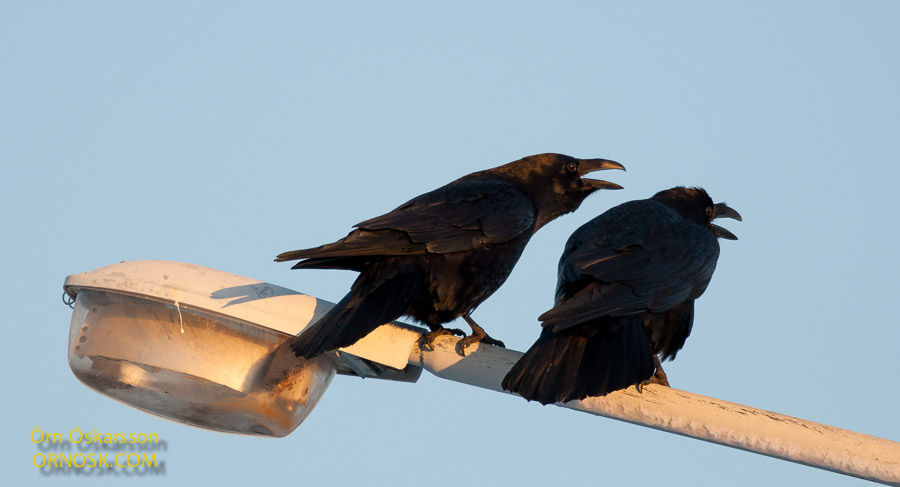
In the evenings, just before sunset, they come in flocks, large and small, from a big area in the Western part of South Iceland. They reside high up in the cliffs and come every evening. Sleeping sites or places like these are all around the country. When the breeding time begins the Raven pairs spread to their territories and cease coming to their joint sleeping places.
Spectacular crest
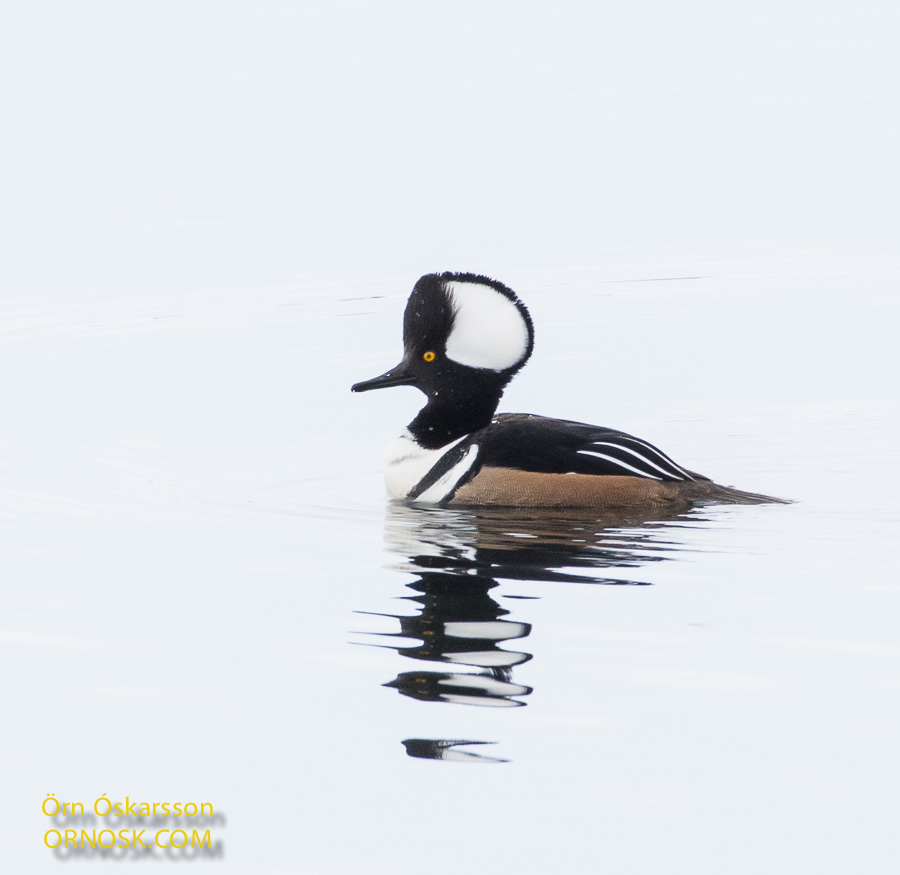
A Hooded Merganser (Mergus cucullatus) was on River Elliðaá and Elliðavatn in Reykjavík the other day. It is a beautiful bird and always a treat to see.
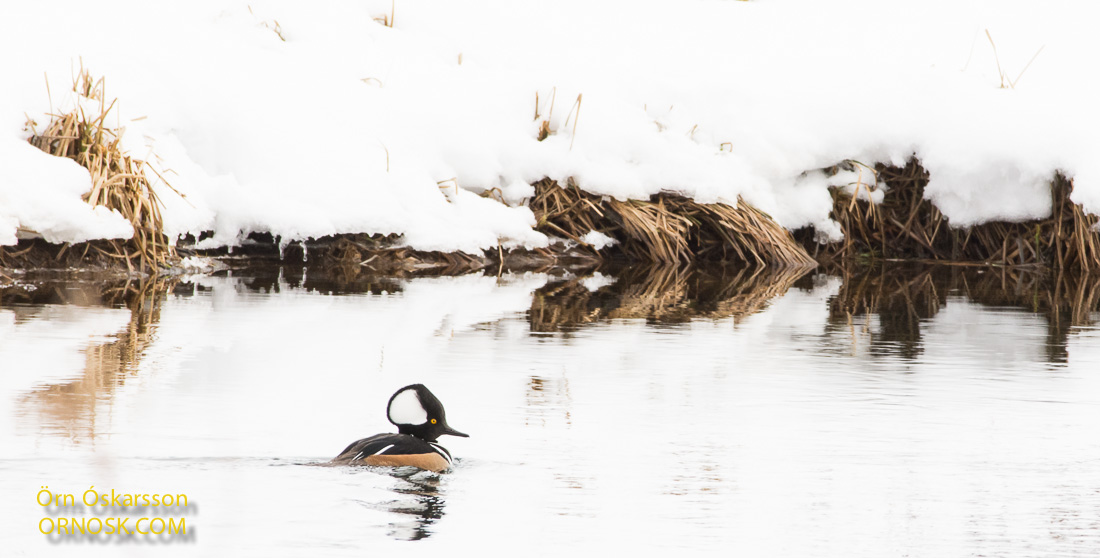
This bird was very shy and special care had to be taken to get close enough to photograph. The Hooded Merganser is such a spectacular bird with a prominent crest that it can raise and lower, as can be seen in the photo.
Lone Cormorant
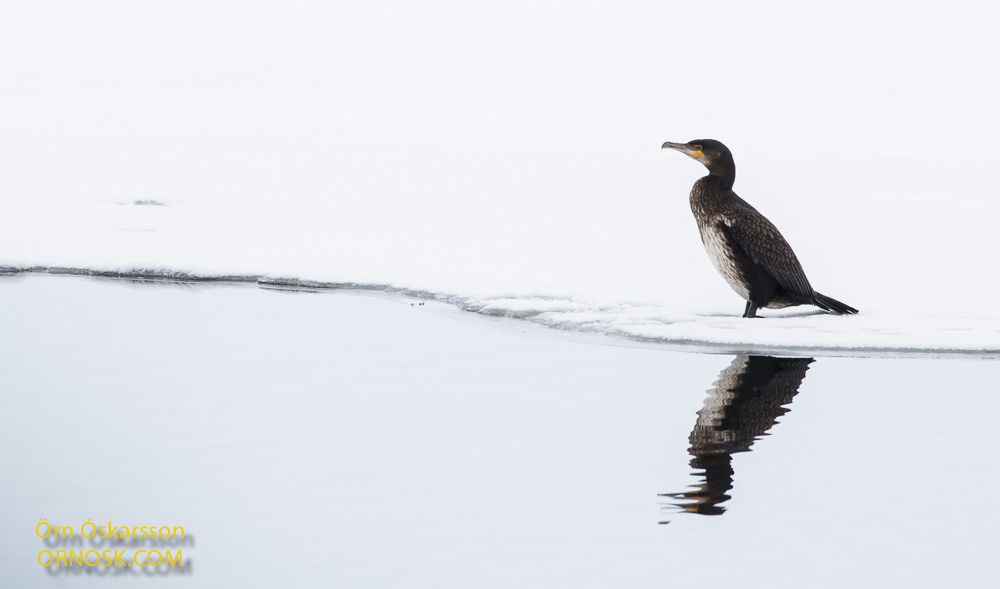
This lone Cormorant was sitting by the edge of the ice on Lake Elliðavatn near Reykjavik. Seems like it has not a bother in the world. Usually they prefer the shore and coastline but they can also sometimes be seen inland at dams, lakes and pits.
Hunting Gyrfalcon
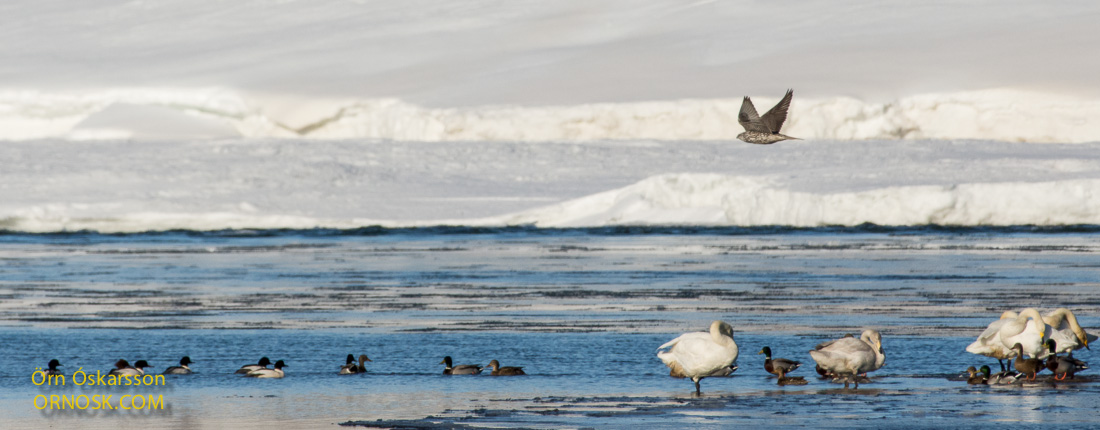
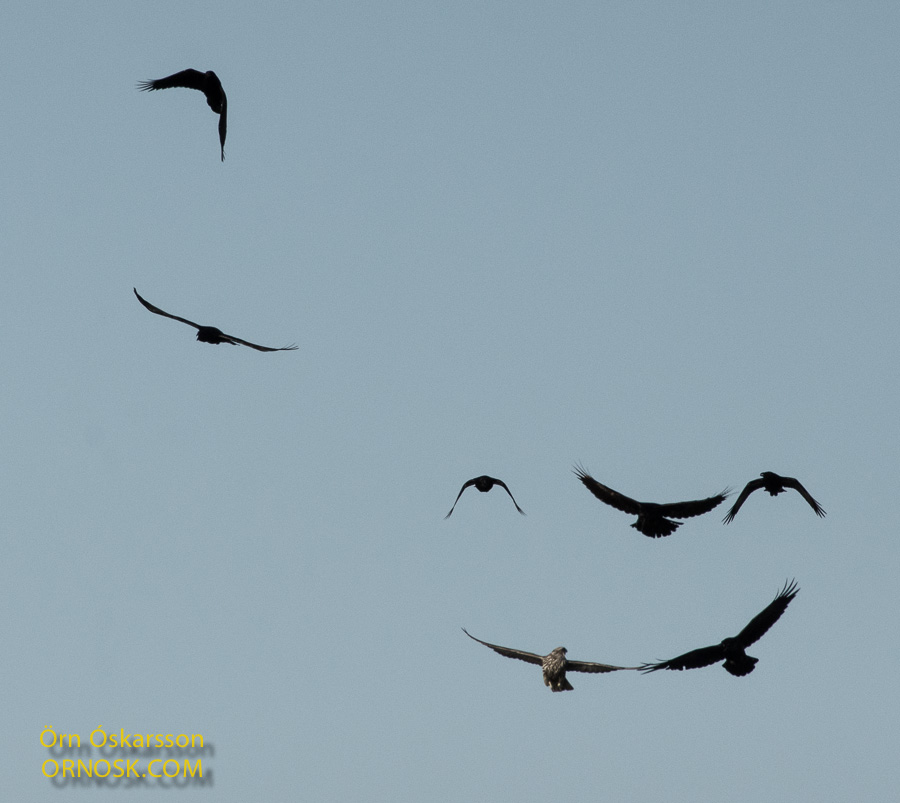
A Gyrfalcon was searching for prey by River Ölfusá yesterday. He flew over a flock of ducks and swans. They did not move and most stayed in the water.
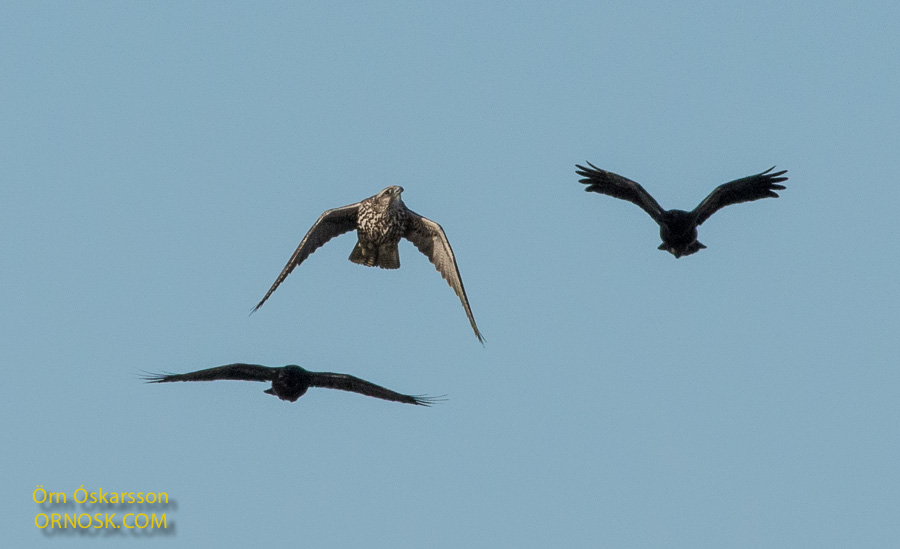
Soon some Ravens came by and chased the Gyrfalcon away.
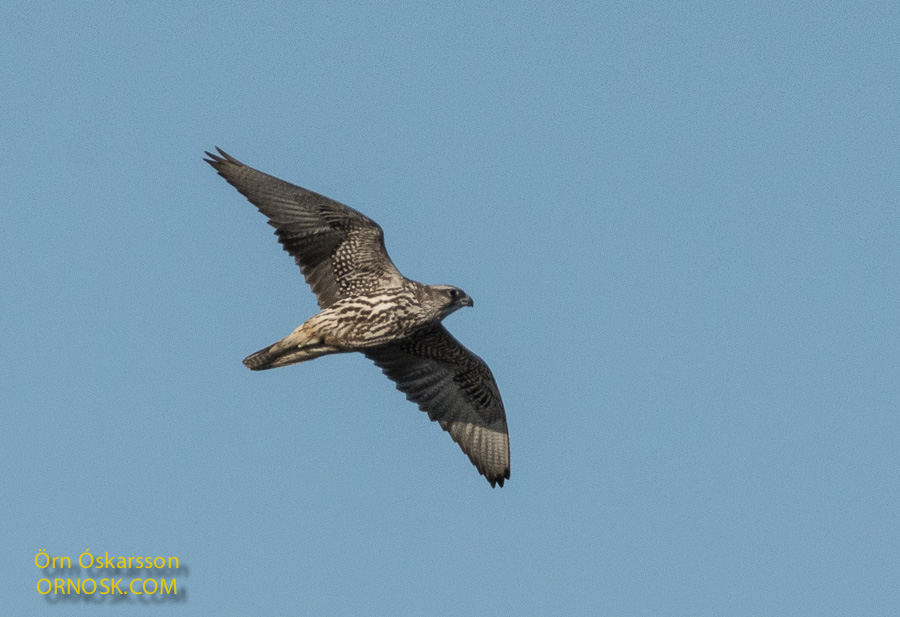
The Ravens are a tough bunch. This time the Gyrfalcon fled without a morsel to eat.
Blackbird singing
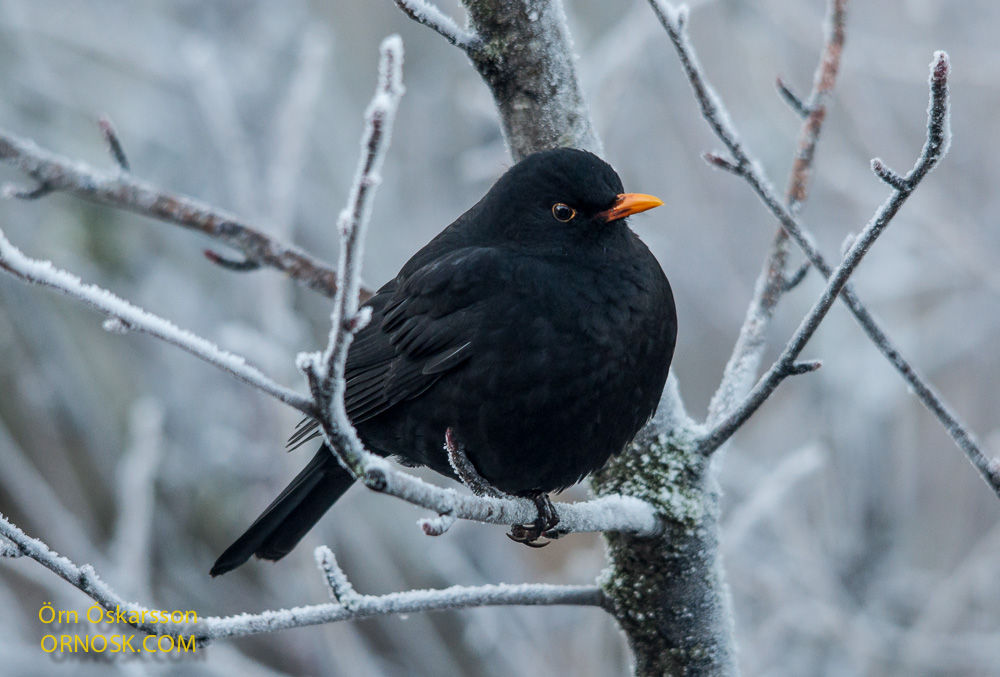
It is as wintery as can be, snow everywhere and thick slabs of ice that probably won’t melt until who knows when. Despite this the Blackbird has begun singing, a sure sign of the changing of the seasons. So we can not but be hopeful that spring will come this year also. In the twilight at around six o’clock in the afternoon it’s beautiful vocal song can be heard in the neighbourhood.
If you are not familiar with it listen on the web of the British Library:
http://sounds.bl.uk/Environment/British-wildlife-recordings/022M-W1CDR0001524-1900V0
Hidden treasure
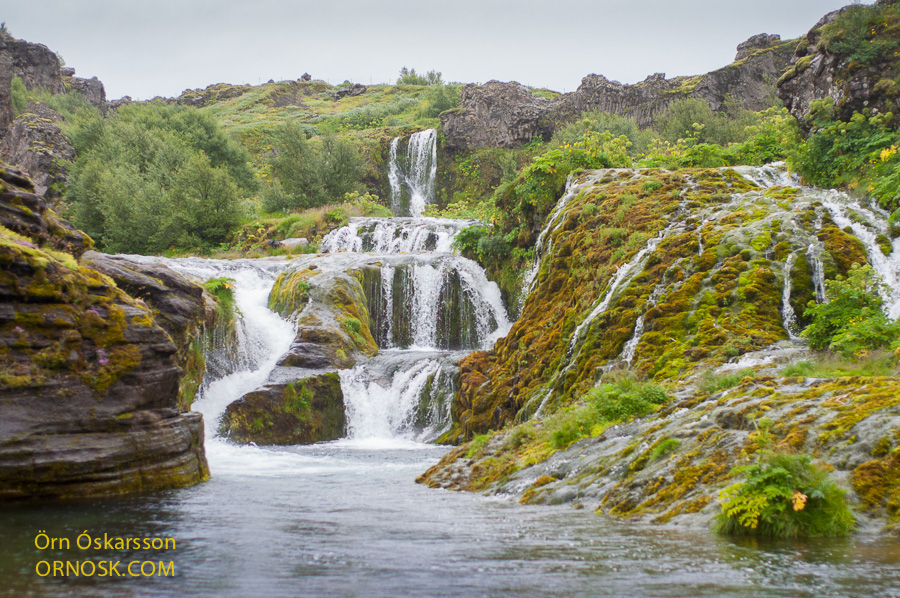
Gjáin in Thjórsárdalur is a paradise of a place. It is a ravine, or narrow valley, with waterfalls, cold springs, interesting lava formations, caves and lush vegetation. The area is an oasis in vast contrast to the surrounding areas. The River Thjórsá flowed there in olden days forming the ravine.
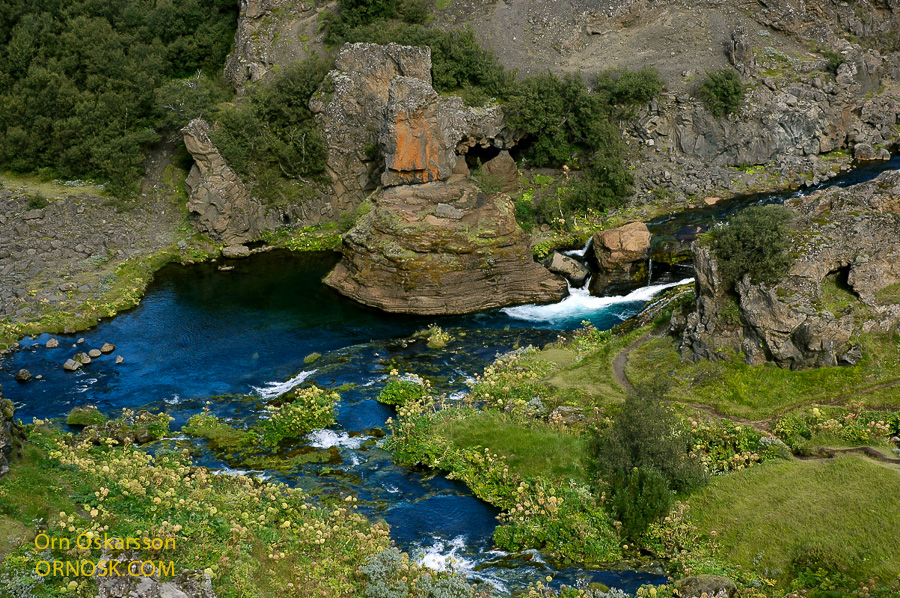
The place is easy to reach in the summertime, about one and a half hours drive from Reykjavík and only a very short drive from the main road in Thjórsárdalur. It can be reached from two angles and both routes involve some hiking along footpaths or down rather steep paths.
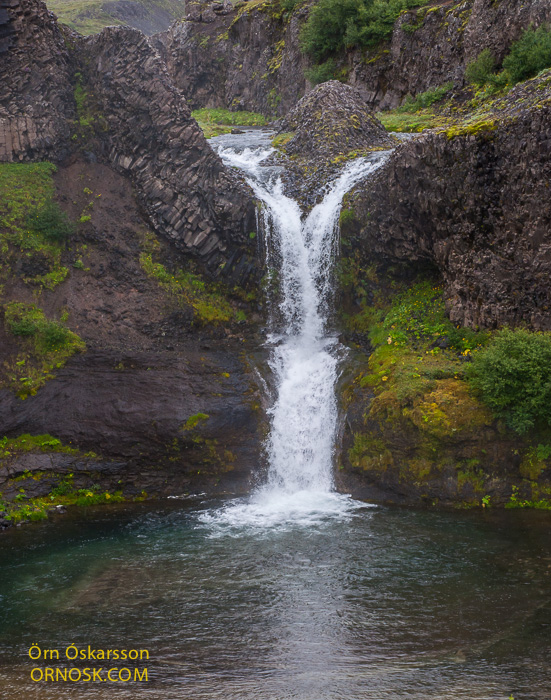
The footpath takes you by the historic Viking farm Stöng . Visitors should trod carefully because of the fragile vegetation which is easily susceptible to deterioration by trampling.
Holding on in the cold
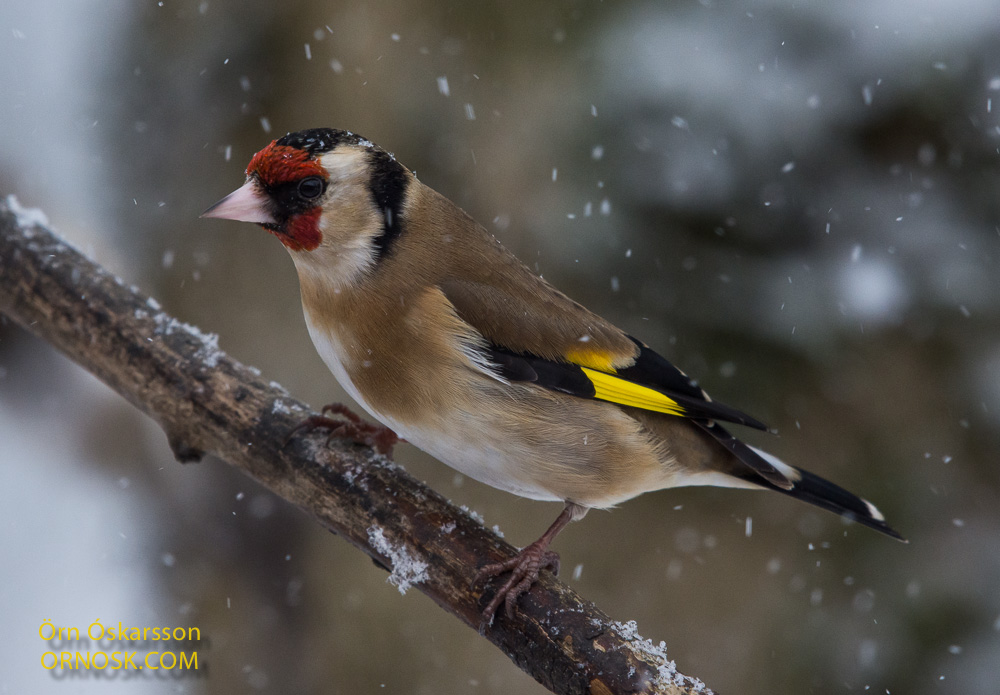
The Goldfinch is holding on and seems full of energy. It is amazing to see how tough this bird is. There has been a blizzard and the frost has been down to – 12°C and the Goldfinch does not even roughen its feathers. We first saw the Goldfinch in the garden January 24 and it has been an almost daily guest since then.
Just a short stop
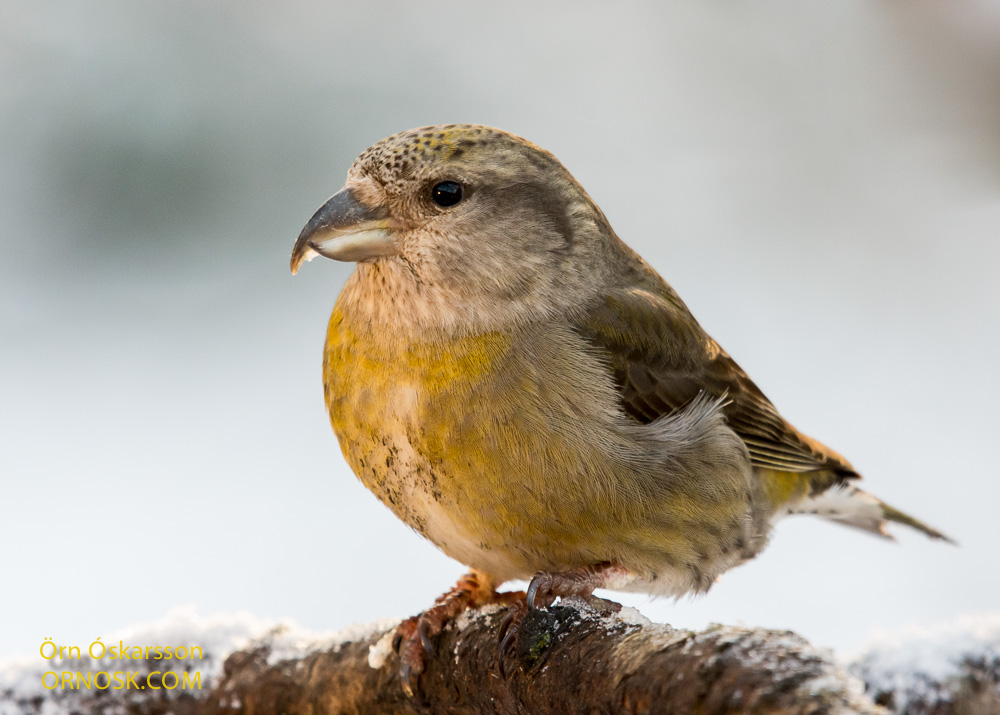
A pair of Common Crossbills came by the garden last week, just this once, as far as we know. We are hoping that these beautiful tame birds come to stay. They eat sunflower seeds from the seed feeders.
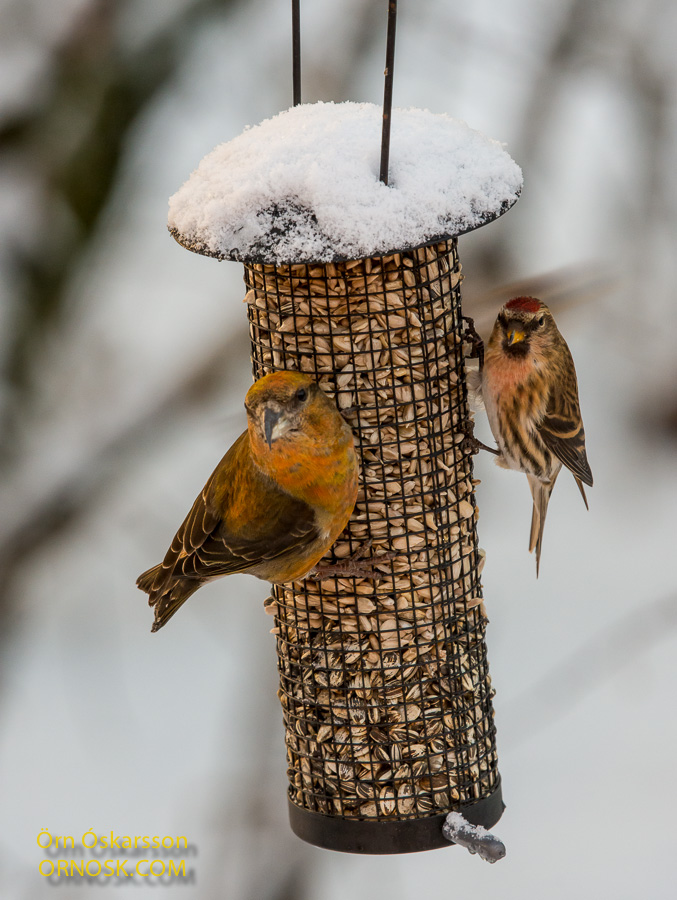
The Common Crossbills come and visit every once in a while but more often we see them fly over without coming by.