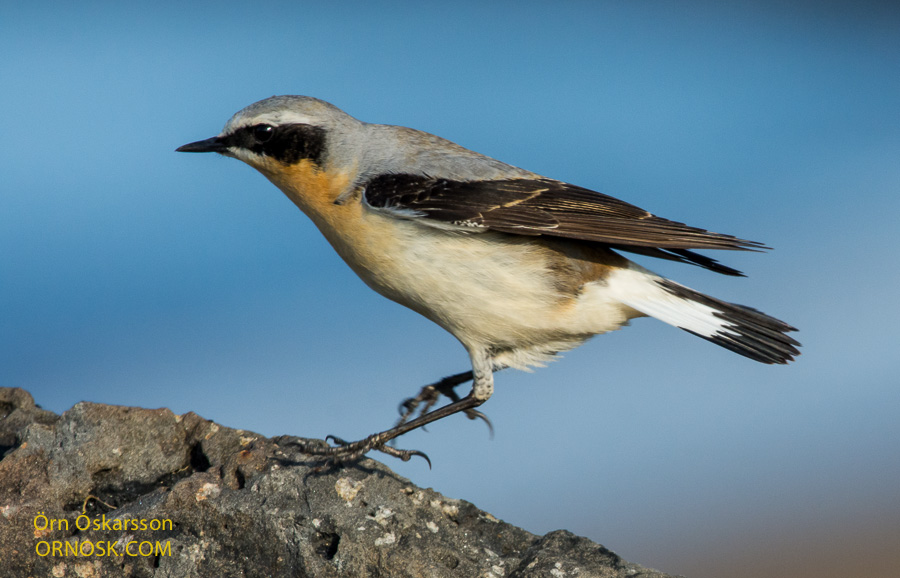
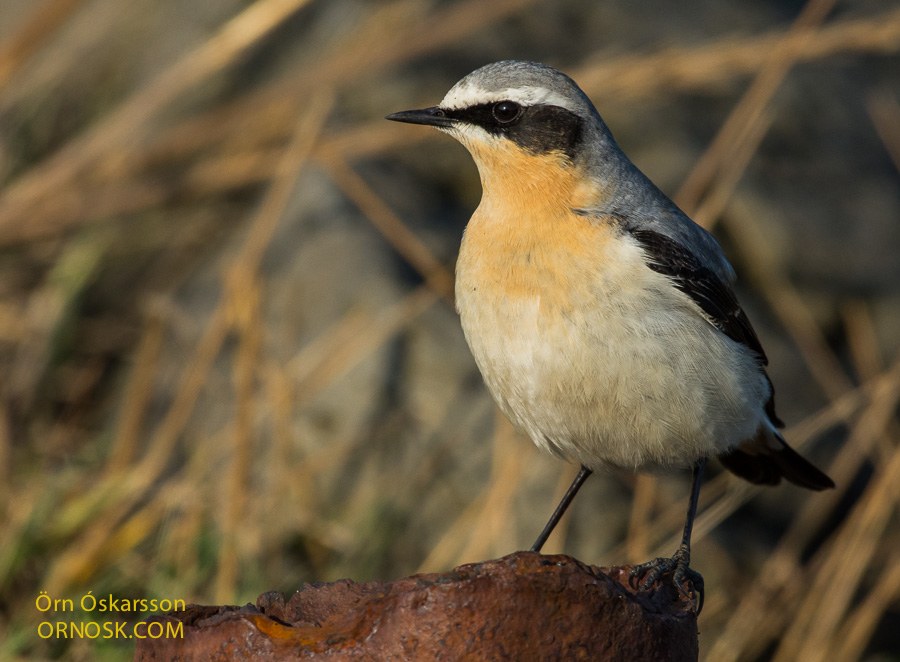
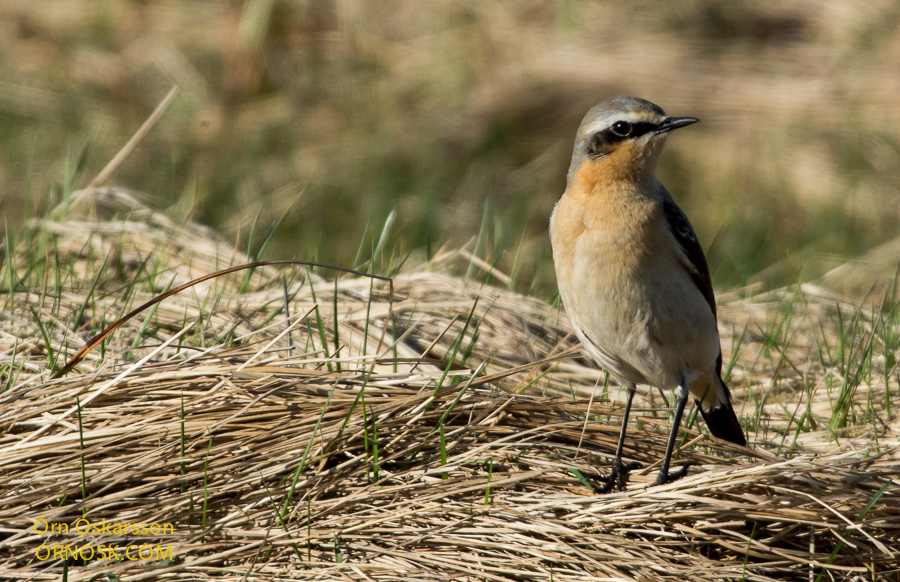
It must be a relief to finally land on Icelandic shores after flying for thousands of miles over the ocean. This Wheatear was just about to land in South Iceland in the morning of May 5.
The Wheatears are not early migrants. They usually arrive in Iceland in May, coming from their winter grounds as far as Africa. In September they leave again for the winter.
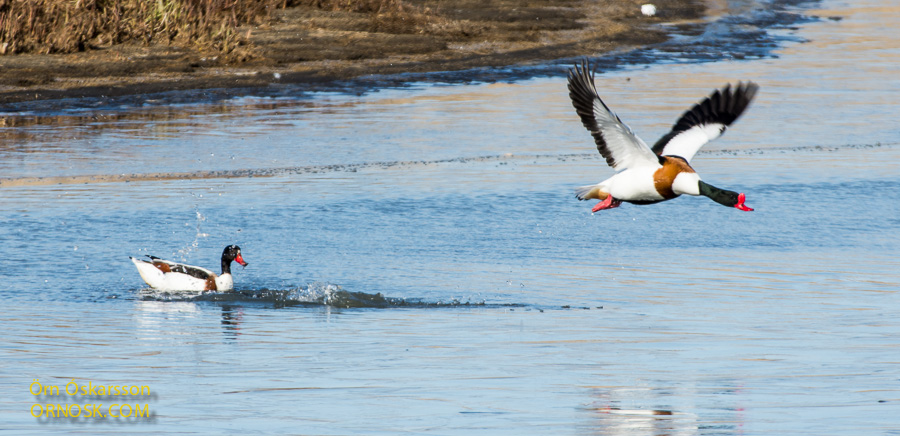
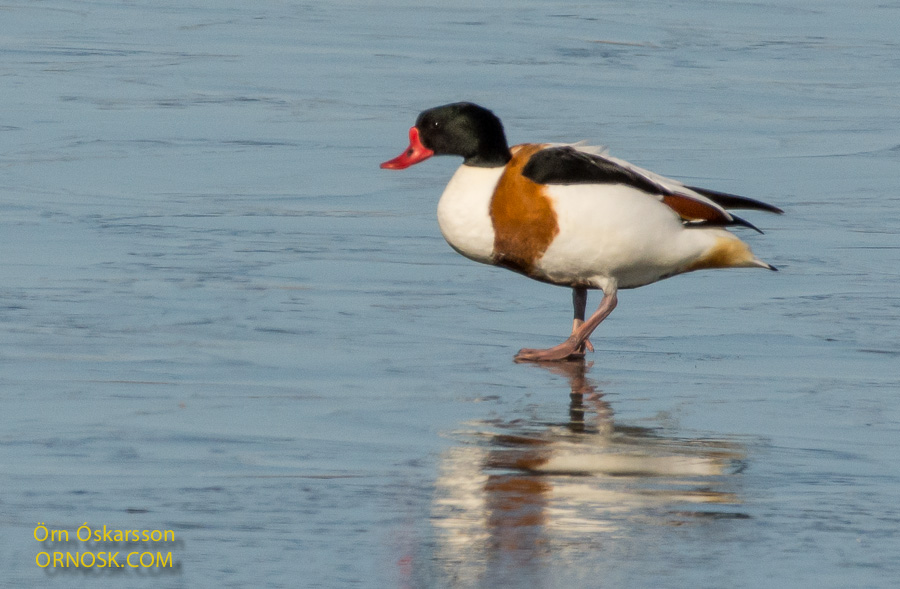
It is spring and breeding time has started. The Shelducks on Ölfusá River have started claiming their territories. The males are very protective of the females and are busy chasing away aggressive males that have not yet managed to secure a mate.
Chasing away intruders
A lot of uproar can be observed when groups of male birds make an assault and try to snatch away a female already paired. The lucky ones have to keep constant vigil over their spouses.
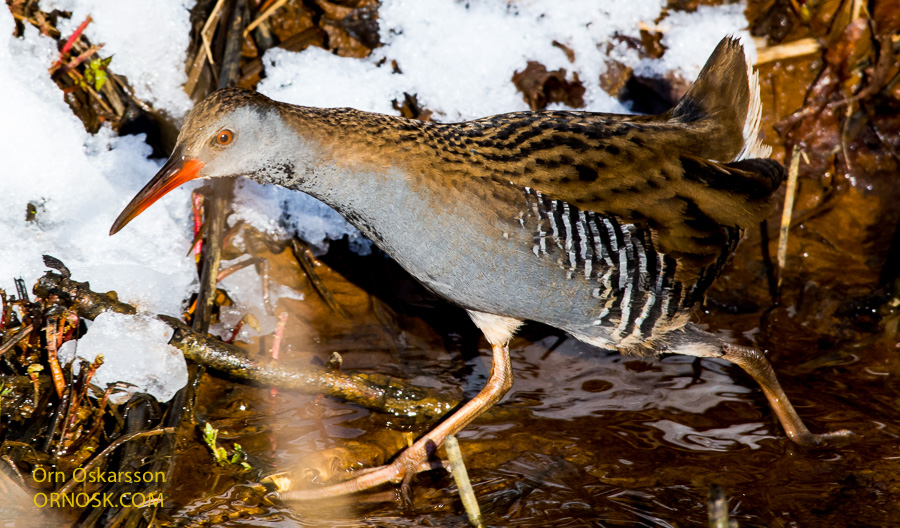
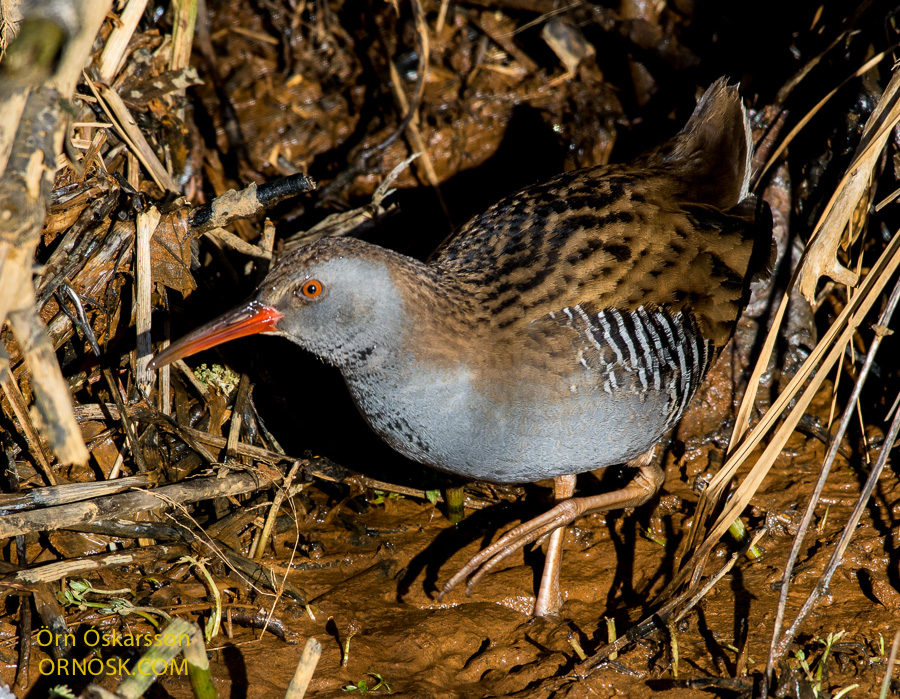
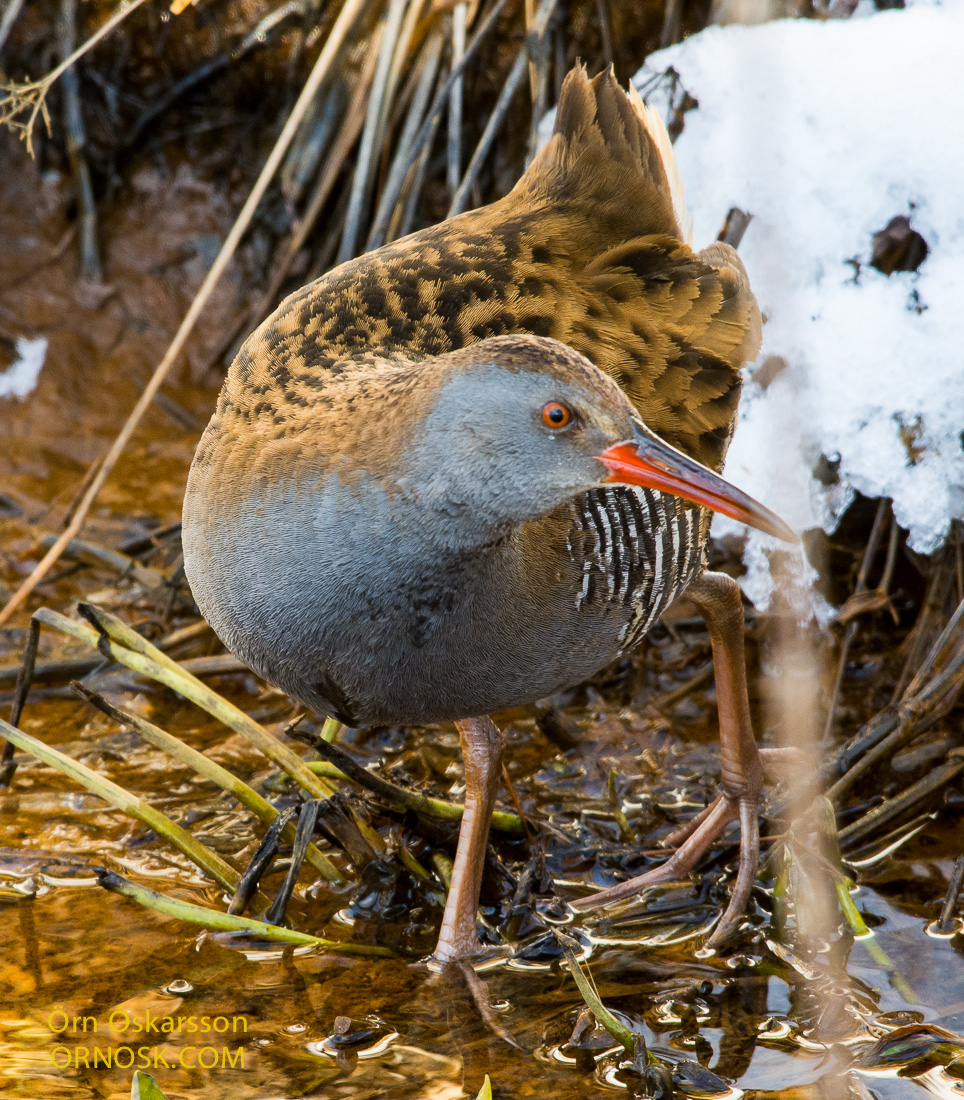
Today a Water Rail was spotted in a ditch near Selfoss. It is five years since one was last seen in Iceland. It used to be a breeding bird here but has now become a rare guest. Its habitat is freshwater wetlands in Europe, Asia and North Africa.
The Water Rail was well visible in the bright sun today but was not eager to be seen. If disturbed it hid under some weeds, easily blending in with its surroundings, and birdwatchers had to wait for some time for it to appear again.
The Water Rail is such a special bird and a shame that it does not exist in Iceland any more. Two main reasons are probably to blame for its disappearance, irrigation and drainage and the introduction of the mink in Icelandic nature. But the minks escaped from mink farms. Water Rails are vagrants that usually come here every year from Europe.
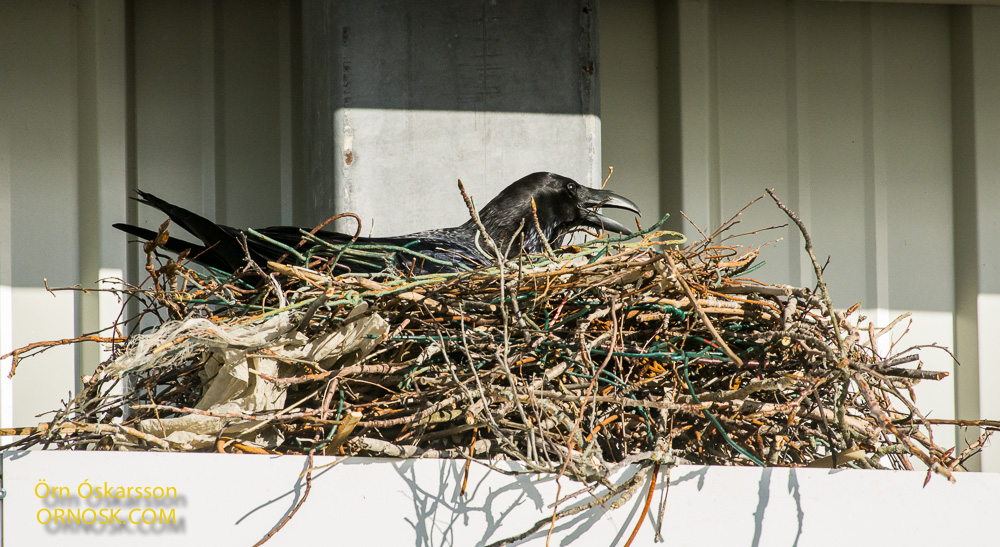
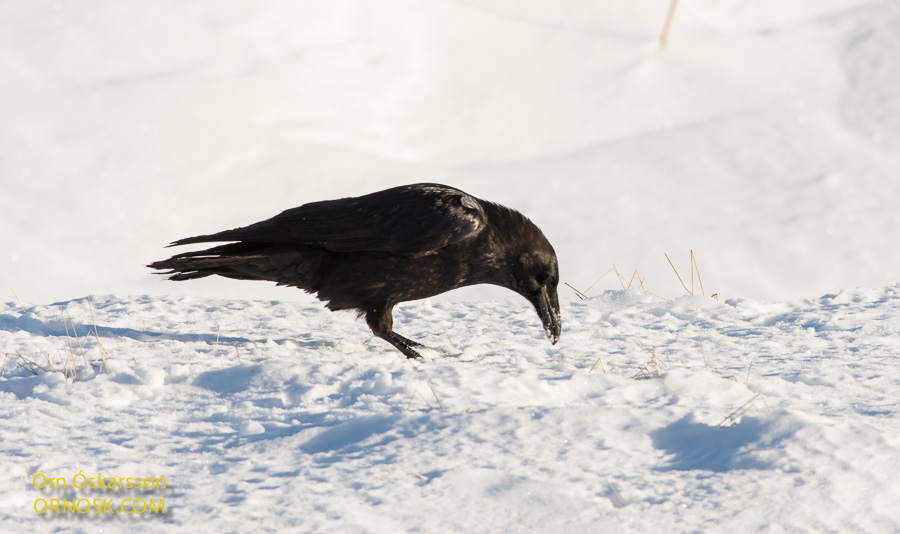
The Raven like many other birds is well equipped to survive even the harshest of weathers. In the winter time it comes into towns to look for morsels and can often be seen in and around garbage bins, – such a resourceful bird.
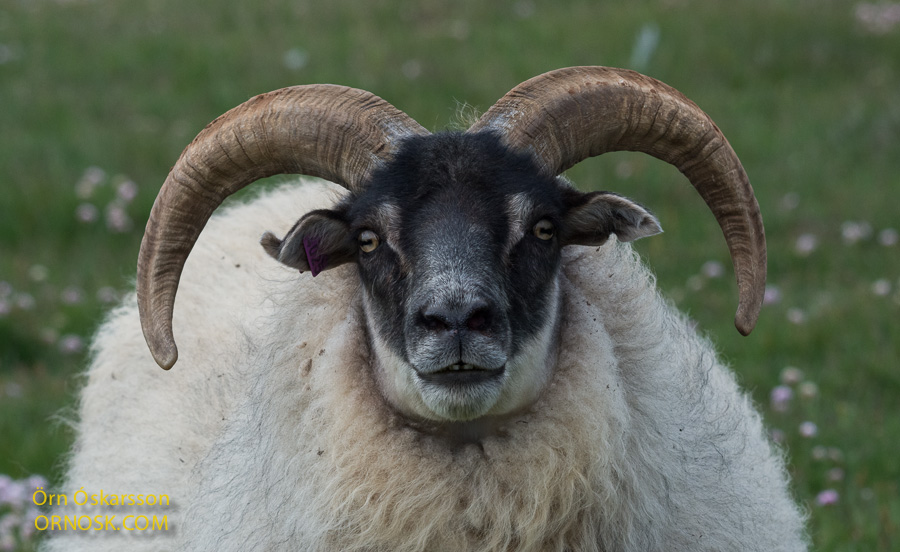
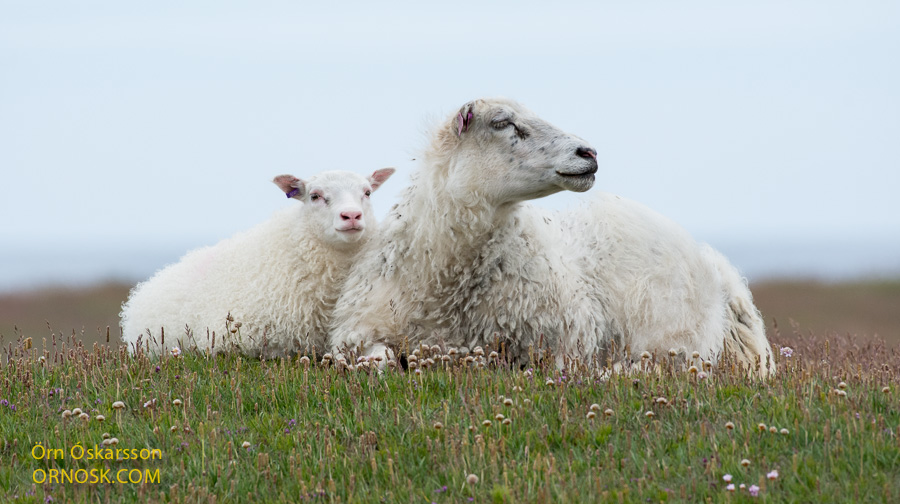
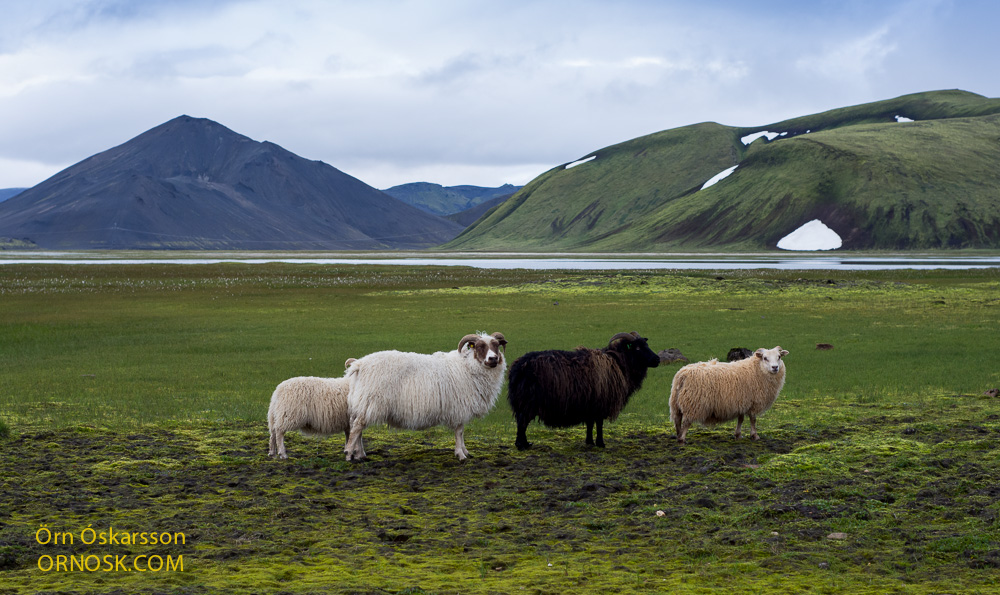
The first sheep were brought to Iceland by the settlers way back around the year 800 and as a breed it is unique. Its purity has been protected for centuries in the isolation of the island way out in the North Atlantic Ocean.
The Icelandic sheep are short-tailed and quite different from sheep in other countries, at least the ones we have visited. The Icelandic word for the tail is “dindill”, – such a funny word.
The Icelandic sheep are used to a harsh climate. They graze in the mountains in the summer time and are very efficient herbivores.
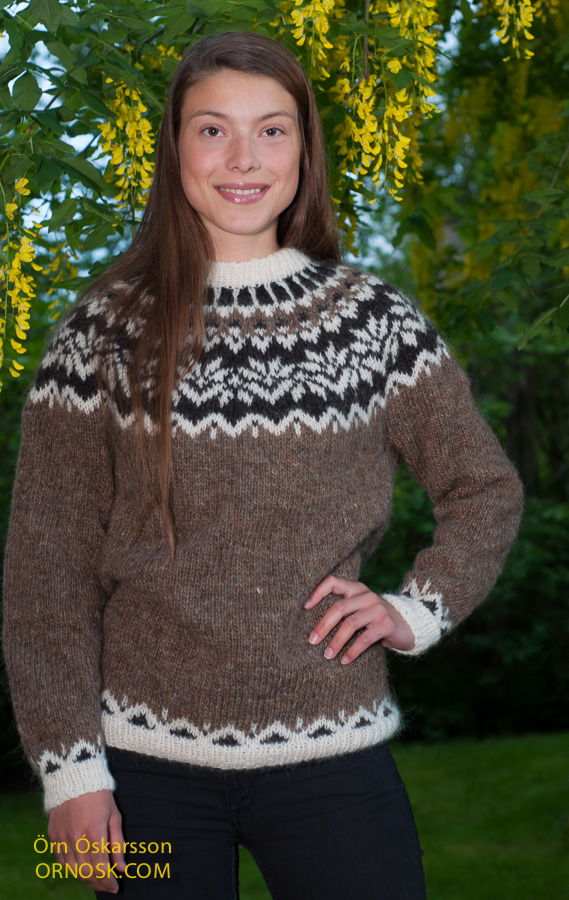
Anna Rut in an Icelandic wool sweater “lopapeysa” – knitted by her grandmother.
The wool that the sheep produce has no counterpart anywhere in the world. The fleece is dual-coated. The long outer coat is called “tog” and the fine inner coat “þel”. The outer and inner coats are separated and used for different woolen garments. The Icelandic lopapeysa is essential for camping in the summer time when nights are bright and no one wants to go to sleep.
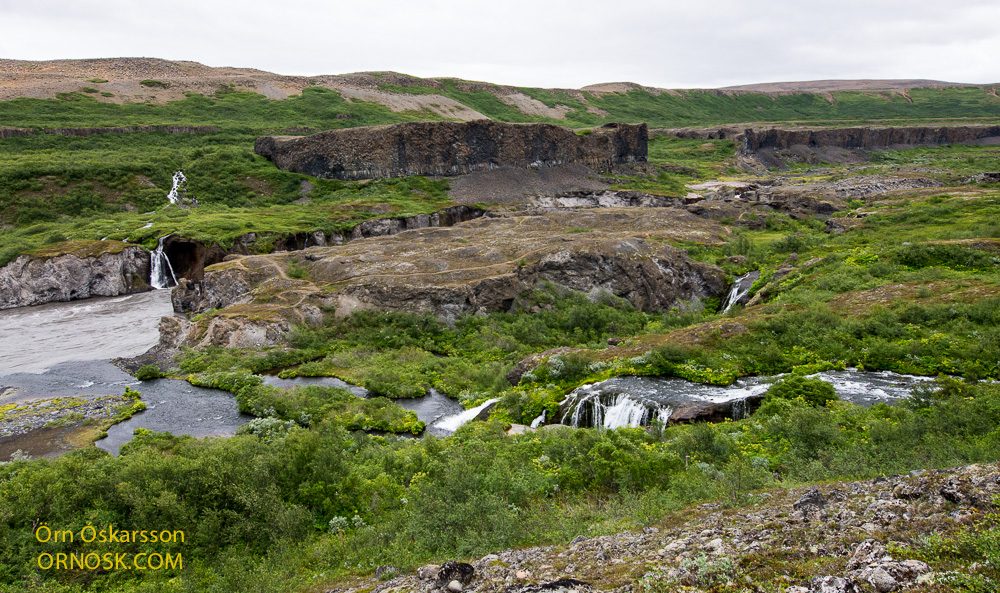
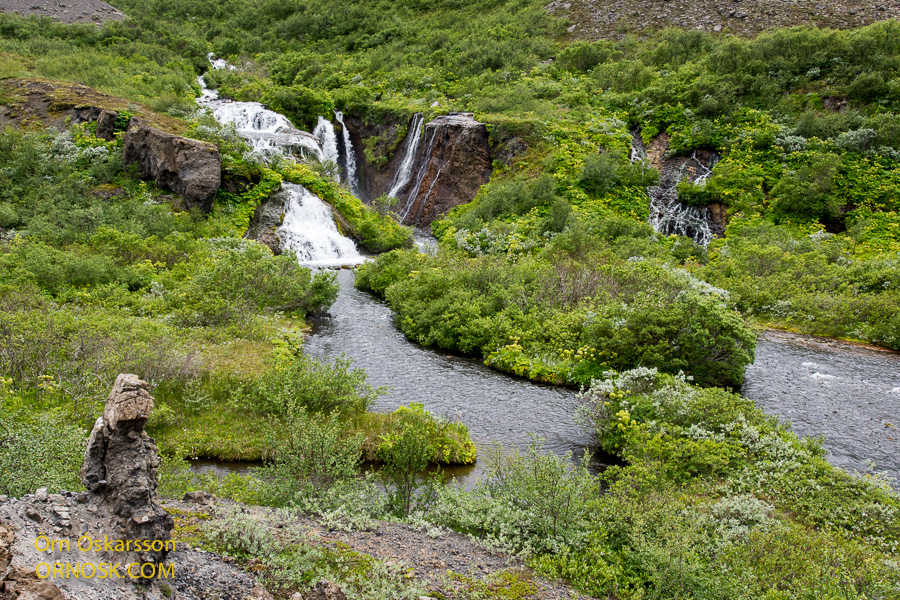
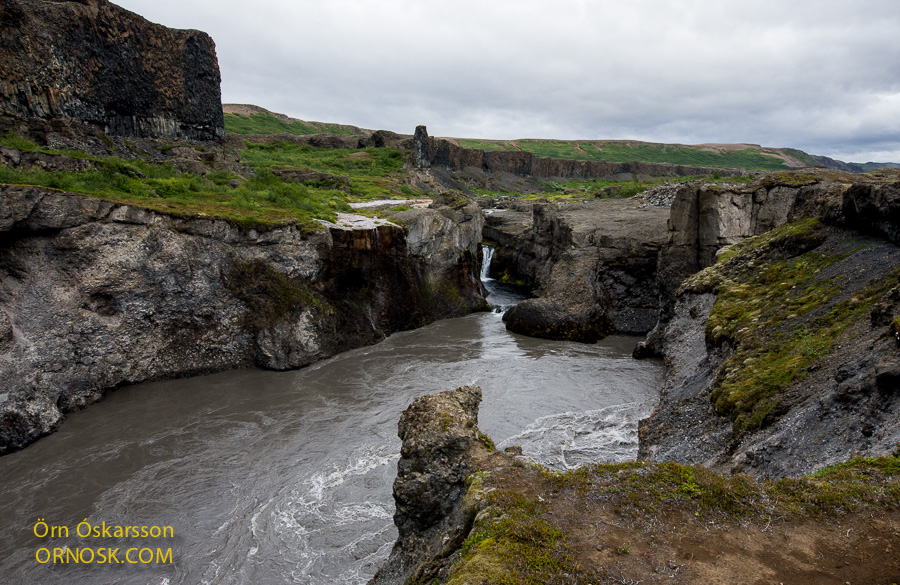
Hólmatungur is a beautiful area in Jökulsárgljúfur Canyon with lush green vegetation and spectacular rock formations. It is on the hiking trail alongside River Jökulsá á Fjöllum, one of the most scenic hiking trails in Iceland.
In Hólmatungur water bubbles up from the ground and falls down some ridges into River Jökla. It is an interesting area with some very special natural formations.
Hólmatungur is part of Jökulsárgljúfur Nationa Park.
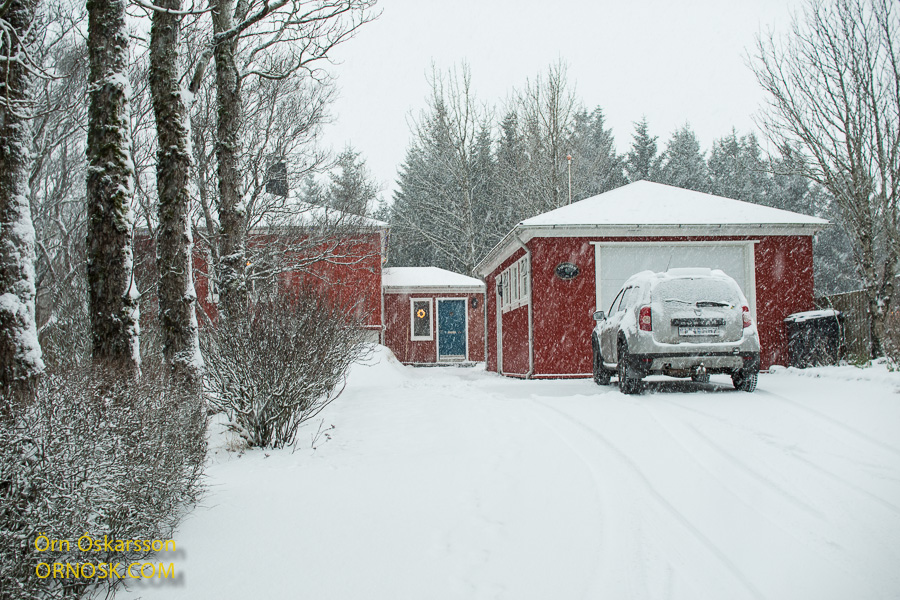
Today was the shortest day of the year, winter solstice. The sun rose at about 11.15 and will set at around 15.30. It was a beautiful day, with intermittent snowfall and some blue skies could even be seen during the brightest time of the day. The weather forecast predicts a White Christmas and today was one of these perfect days to get into a Christmas mood.
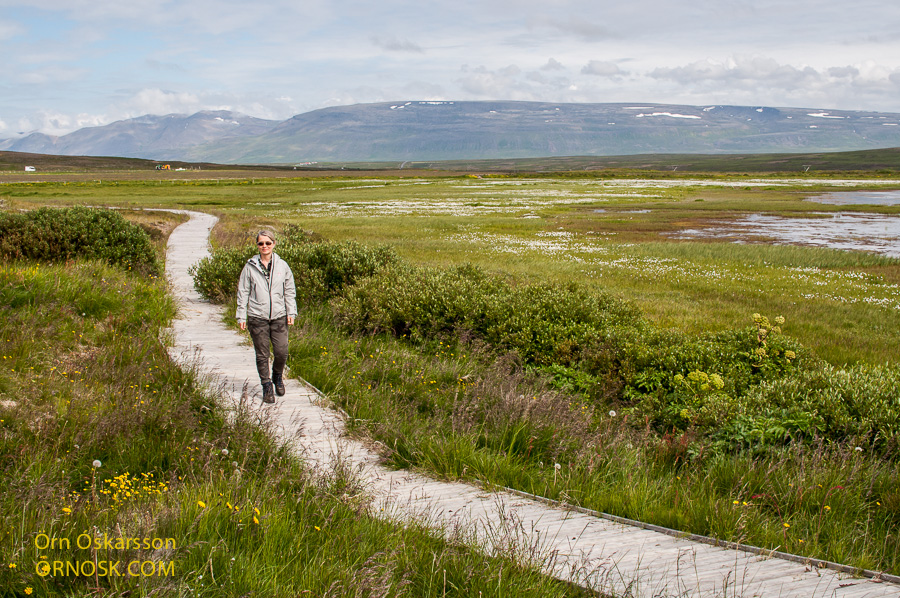
Gauksmýri is in the western part of North Iceland, in the county Húnavatnssýsla. Near the farm, by the same name, is a birdwatching location where wetland has been restored. The birdlife there is colourful and diverse.
On your way North it is ideal to visit the bird watching house by the pond. There you will find some binoculars and birding guidebooks. 35 different bird species have been spotted there, e.g. swans, ducks, geese, horned grebes to name a few.