All posts by Kristin

Quirky birds

skritnirfuglar1

Outside it’s snowing and the wind is blowing. A blizzard has started and a warning has been issued. Roads are expected to close and everyone should just stay inside.

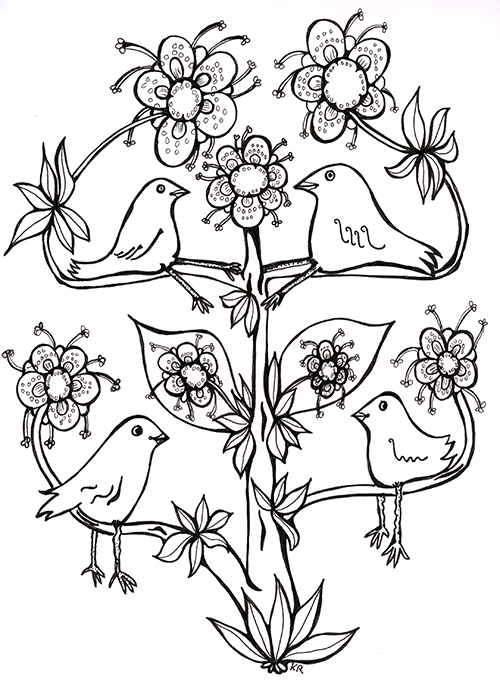
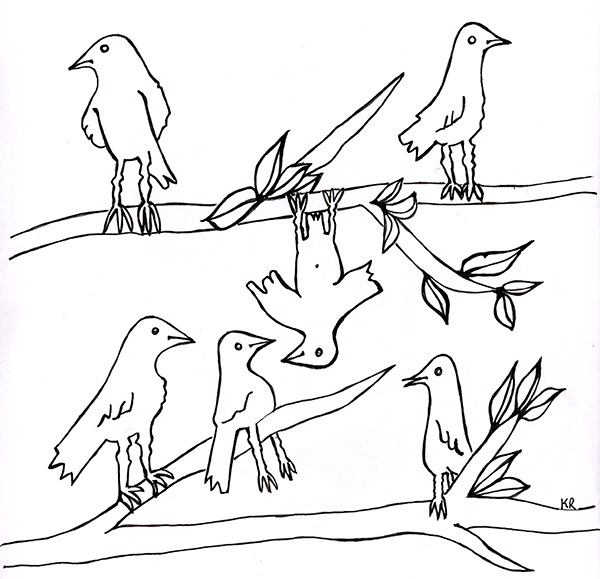
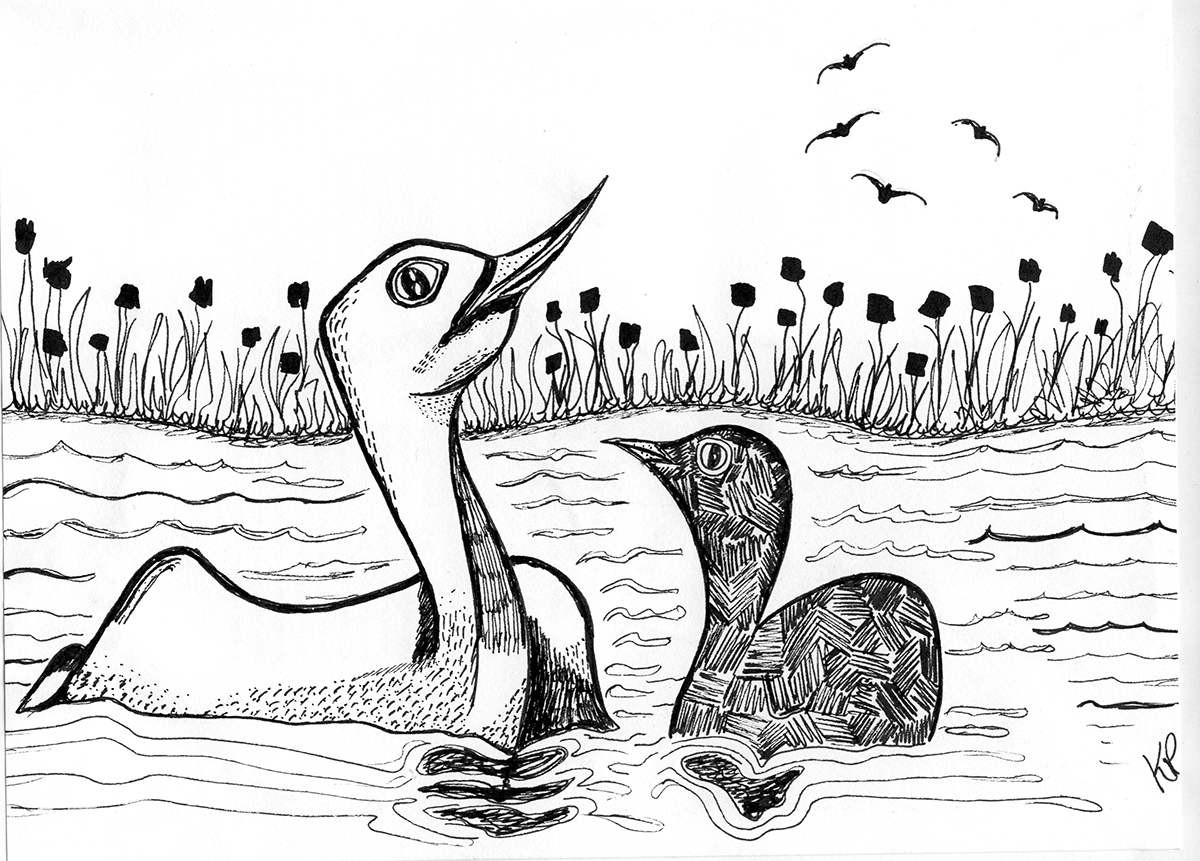
So this is the perfect time to sit down with a warm cup of tea and a drawing pad. Here is an example from my drawing pad 😉
Aggressive Arctic Tern

The Arctic Tern (Sterna paradisaea) is mainly a seabird, they say. These pictures are taken in Veiðivötn in the Interior of Iceland, far from the sea, in July this year. Here you can see how aggressive it is during the breeding season, –very protective of its young ones.

The Arctic Tern flies South for the wintertime. It is a long lived bird, reaching the age of 30 even.

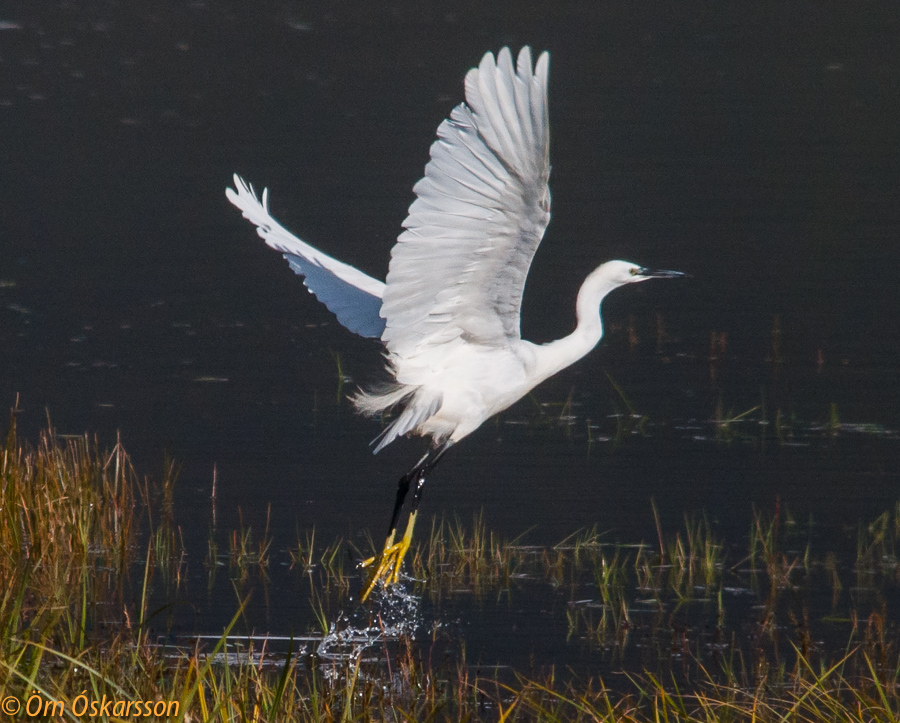
Little Egret

bjarthergri

The Little Egret (Egretta garzetta) used to be a very rare vagrant in Iceland but  in recent years they have been seen more often. The birds that come to Iceland probably come from Great Britain or Ireland where their numbers have been increasing in the last 20 years.

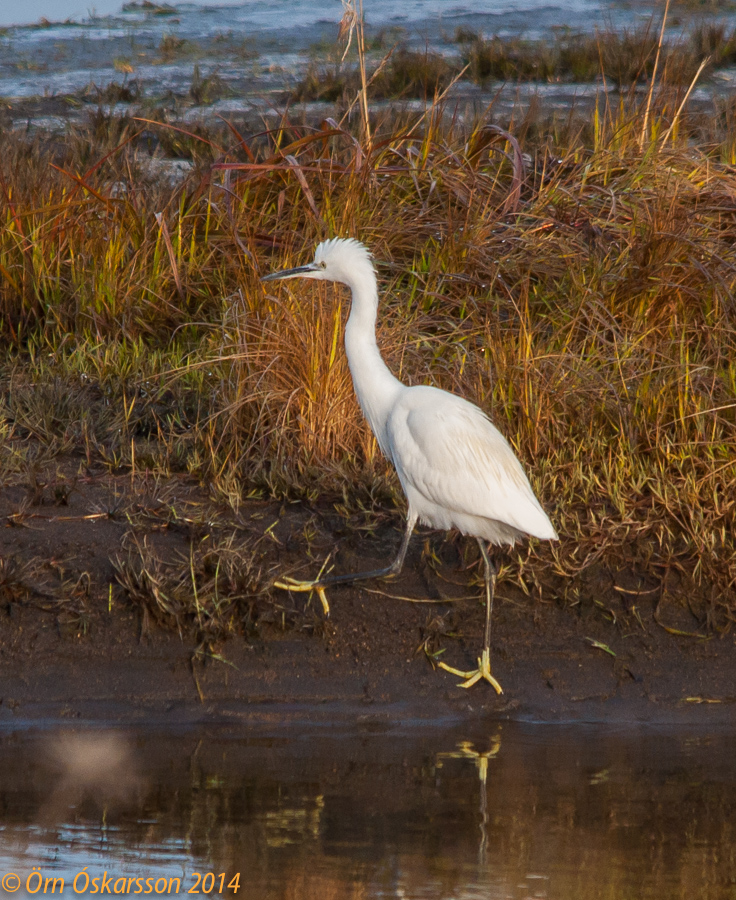
bjarthegri-4

This guy was taking a stroll by the River Ölfusá in October. It is the first Little Egret that I see this year and probably the second bird to be seen in Iceland this year.

More information on the Little Egret
https://www.rspb.org.uk/discoverandenjoynature/discoverandlearn/birdguide/name/l/littleegret/

Meadow Pipit

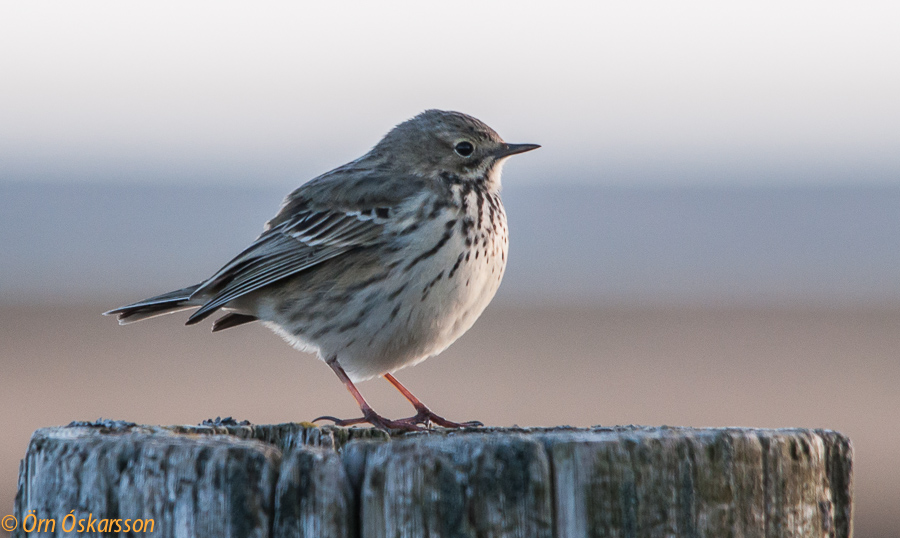
The Meadow Pipit (Anthus pratensis) is the most common passerine, or perching bird, in Iceland. Meadow Pipits in Iceland are believed to be around one million. They usually live in open habitats where they breed and they feed on insects.

tufutittlingur

Meadow Pipits come to the garden both in spring and autumn, often in groups.

I am your baby

lomur-2

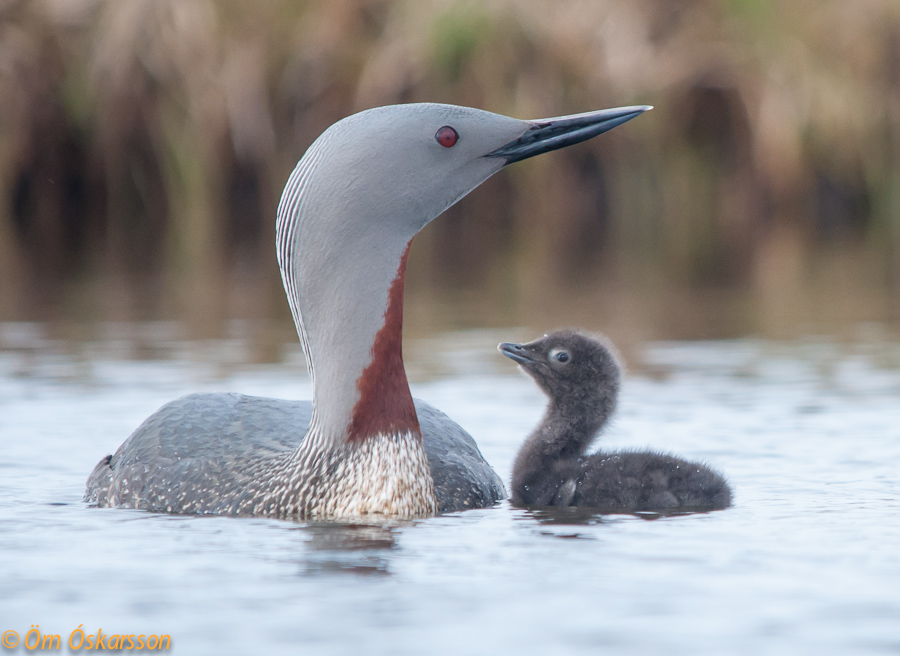
This is the Red-Throated Diver with one of its chicks. The Red-Throated Diver always lays two eggs and in this case the other chick was nearby. There is some difference in size between the sexes which can only be seen when the pair is together. So whether this is the proud father, or mother, remains unknown. The photo is taken in Flói Nature Reserve.

–Beautiful motive of a baby bird with its parent  🙂